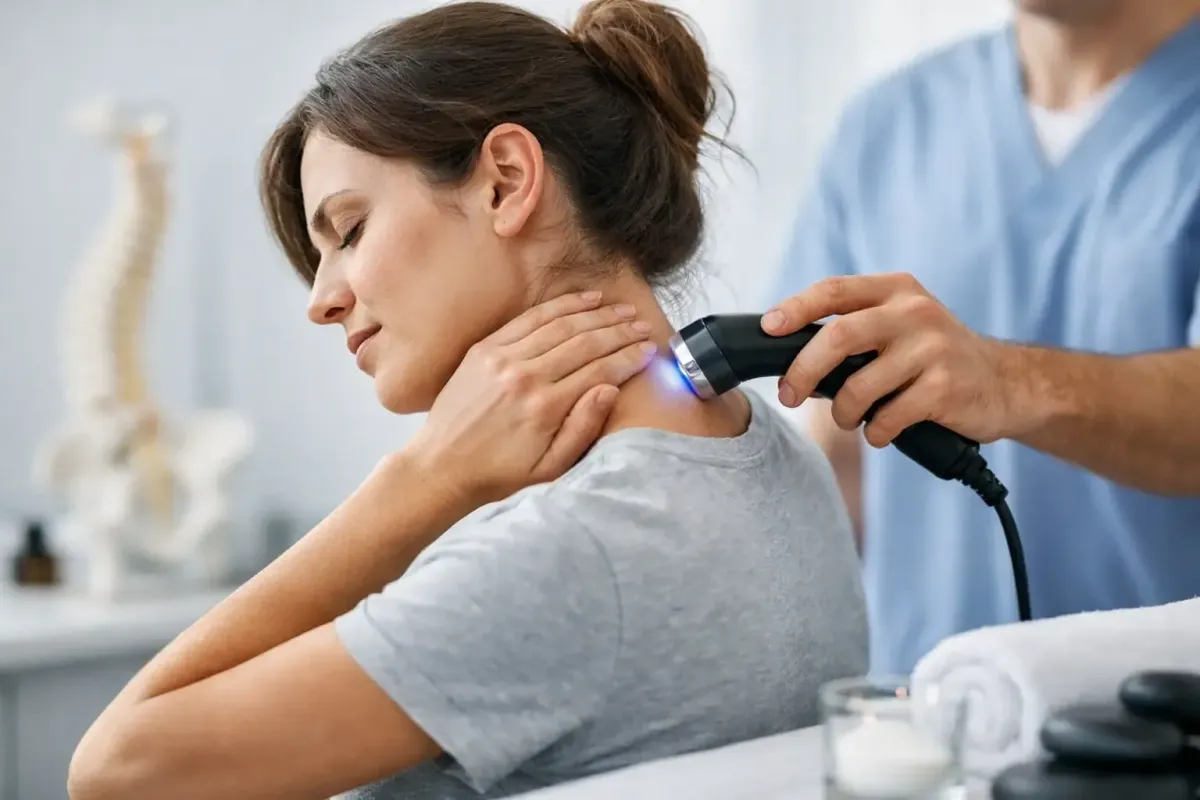
Best Treatment for Neck Pain Stiffness
That sharp pull when you turn your head backing out of the driveway, the ache that builds after a day at a desk, the stiffness that seems worse every morning - neck pain can make normal life feel harder than it should. If you are searching for the best treatment for neck pain stiffness, the right answer is usually not one quick fix. It is the treatment that matches the real cause of your problem.
What is the best treatment for neck pain stiffness?
For most people, the best treatment starts with a clear evaluation, then a personalized plan to reduce inflammation, restore movement, and correct the mechanical stress that keeps the pain coming back. That may include chiropractic care, soft tissue work, posture correction, targeted exercises, and supportive therapies that help the body heal naturally.
The reason this matters is simple. Neck stiffness is a symptom, not a diagnosis. Two people can have the same complaint and need very different care. One may have muscle strain from poor workstation setup. Another may have a pinched nerve, degenerative joint changes, whiplash after an accident, or tension patterns coming from the upper back and shoulders.
When care is based only on where it hurts, results are often short-lived. When care is based on why it hurts, relief tends to last longer and function improves faster.
Why neck stiffness happens in the first place
The neck is built for movement, but it also supports the weight of the head all day long. That balance works well until stress builds faster than the body can adapt. Long hours looking down at a phone, sitting forward at a computer, poor sleep position, repetitive work, sports strain, old injuries, and spinal misalignment can all add up.
Inflamed joints can make turning your head feel restricted. Tight muscles in the neck and upper traps can create a pulling or locked-up feeling. Disc irritation or nerve compression may cause stiffness along with pain, numbness, tingling, or weakness into the shoulder or arm. Arthritis can also reduce mobility and make mornings especially uncomfortable.
This is why the best treatment for neck pain stiffness depends on more than the pain level alone. The pattern of your symptoms, how long they have lasted, what movements trigger them, and whether the pain travels all shape the best next step.
When rest helps and when it slows recovery
A short period of rest can help if you have just strained your neck, especially in the first day or two. But too much rest often works against you. Neck tissues stiffen more when they are not moving, and people start guarding the area, which can increase pain and tension.
Gentle movement is often better than complete inactivity. Simple range-of-motion exercises, heat or ice depending on the situation, and avoiding the posture that triggered the problem may calm things down. If symptoms last more than a few days, keep returning, or are getting worse, it is time to look deeper.
The most effective natural treatment options
Chiropractic care for alignment and motion
When joints in the neck or upper back are not moving well, the surrounding muscles often tighten to protect the area.Chiropractic adjustments can help restore joint motion, reduce mechanical stress, and improve how the neck moves. For many patients, this is one of the fastest ways to reduce stiffness, especially when the problem is linked to posture, spinal restriction, or a recent flare-up.
That said, chiropractic care is not a one-size-fits-all solution. The technique should match the patient. Someone with acute pain, advanced degeneration, or a recent accident may need a gentler approach than someone with a simple mobility restriction.
Soft tissue therapy for tight muscles
A neck that feels stiff is often dealing with more than joint restriction. Tight muscles, trigger points, and fascia in the neck, shoulders, and upper back can all keep the area irritated. Soft tissue work helps release those patterns so the neck can move with less resistance.
This matters because adjusting a stiff neck without addressing the muscles around it may bring only temporary relief. The best results usually come when joint care and muscle care work together.
Corrective exercises for lasting change
Relief is important, but staying better requires stability and better movement habits. Targeted exercises can strengthen the deep neck flexors, support the shoulders, and improve posture so the same stress does not keep building back up.
This is where many people see the difference between temporary improvement and long-term progress. If your neck pain returns every few weeks, there is often an underlying movement issue that needs to be corrected, not just soothed.
Supportive therapies that reduce inflammation and improve healing
Some patients benefit from additional therapies based on the source of their pain. If inflammation, chronic soft tissue irritation, or slow healing is part of the picture, treatments such as red light therapy or other non-invasive options may support recovery. In certain cases, integrated care makes a noticeable difference because pain is rarely caused by one factor alone.
A clinic that can evaluate the whole picture often helps patients avoid bouncing from one short-term solution to another.
What about medication, massage, or a heating pad?
These can all help, but each has limits. Over-the-counter pain relief may reduce discomfort for a short time, but it does not correct poor mechanics, joint dysfunction, or recurring nerve irritation. Massage can be excellent for muscle tension, but if the problem is driven by alignment, disc pressure, or postural stress, relief may fade quickly.
Heat often feels good for chronic tightness because it improves circulation and relaxes muscles. Ice may be more useful after a recent strain or when inflammation is prominent. Neither is a complete treatment plan on its own.
If your stiffness is mild and occasional, home care may be enough. If it keeps interfering with sleep, work, driving, exercise, or daily function, it is worth getting evaluated before the issue becomes more stubborn.
Signs your neck stiffness may need professional care
Some situations should not be brushed off. If neck pain follows a car accident, sports injury, or fall, the tissues may be more injured than they first appear. Whiplash, in particular, can create delayed symptoms that worsen over the next day or two.
You should also seek care if you have pain that radiates into the arm, numbness, tingling,headaches that are becoming frequent, weakness, or stiffness that keeps returning without a clear reason. These signs suggest that the problem may involve more than simple muscle tension.
The goal is not just pain relief. It is protecting long-term mobility, preventing compensation patterns, and keeping a manageable issue from becoming chronic.
How a root-cause approach changes outcomes
The strongest treatment plans do three things well. First, they calm the pain. Second, they restore motion and function. Third, they address the reason the neck keeps getting overloaded.
That root-cause approach is especially important for people who have already tried stretching, pain creams, or occasional massage and still find themselves dealing with the same flare-ups. If the problem starts at your workstation, sleeping position, shoulder mechanics, spinal alignment, stress load, or an old injury pattern, those factors need attention too.
At Coastal Medical & Wellness, this kind of integrated thinking is central to care. The focus is not just on where the neck hurts today, but on what will help you move better, feel better, and stay better over time.
What to expect from the right treatment plan
A good plan should feel clear, not confusing. You should understand what is likely causing your symptoms, what treatment is being recommended, and what progress should look like over the next few visits or weeks.
Some patients improve quickly, especially if the issue is recent and mostly mechanical. Others need a more gradual approach if they are dealing with long-standing tension, degenerative changes, or nerve involvement. Neither situation is unusual. What matters is that care is tailored, measurable, and adjusted as your body responds.
If a treatment only gives you a day or two of relief, that does not always mean it failed. It may mean you need a more complete plan. The best treatment for neck pain stiffness is often a combination of hands-on care, movement correction, and lifestyle changes that reduce repeated strain.
A practical next step if your neck feels stuck
If your neck stiffness has lasted more than a few days, keeps coming back, or is starting to limit normal movement, the smartest next step is a professional evaluation. That gives you a chance to find out whether the issue is muscular, joint-related, postural, nerve-based, or a mix of several factors.
You do not have to wait until the pain becomes severe. In many cases, earlier care leads to faster recovery and fewer setbacks. A stiff neck is easy to dismiss when life is busy, but your body is usually telling you that something is not moving, healing, or functioning the way it should.
The good news is that most neck stiffness responds well to the right conservative care. When treatment is personalized and focused on the cause, not just the symptom, relief becomes more than a temporary break - it becomes the start of moving normally again.
