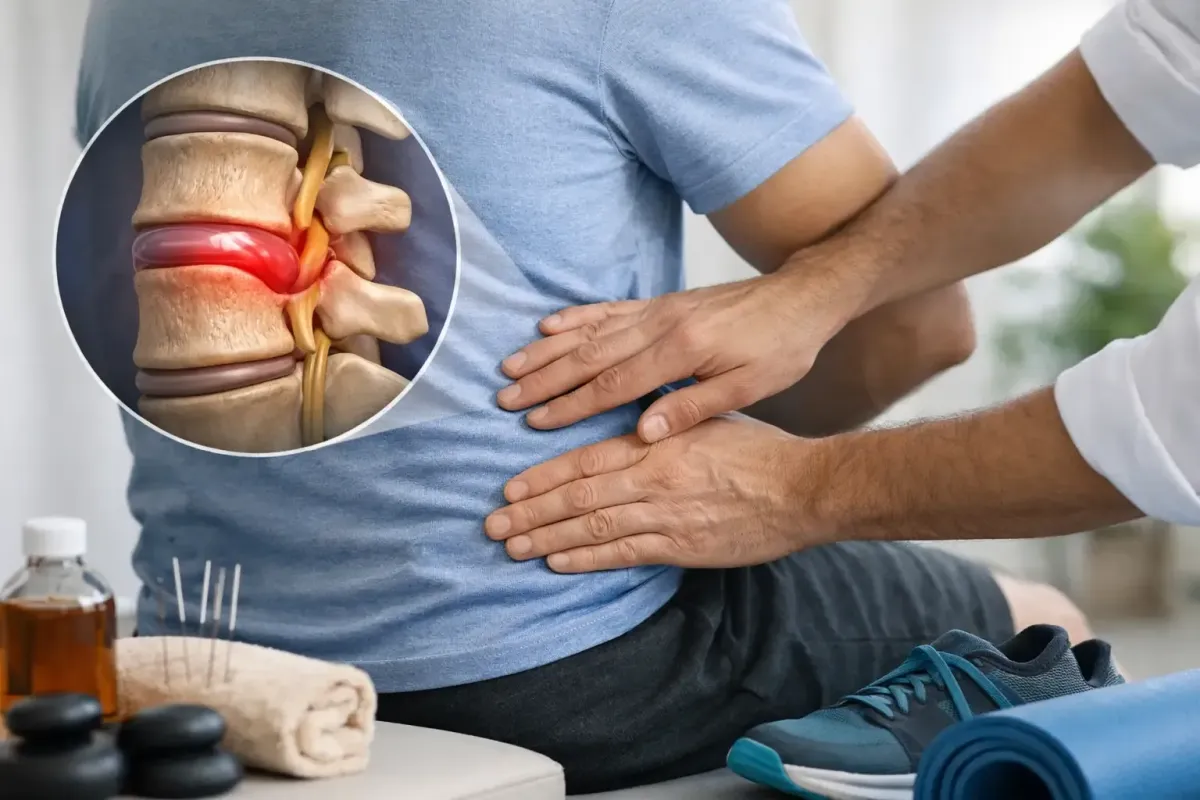
Best Ways to Support Disc Healing Without Surgery
A disc problem can make ordinary moments feel uncertain: getting out of the car, lifting a grocery bag, sitting through a workday, or trying to sleep without waking from pain. The best ways to support disc healing are not about forcing your body through pain or relying on one quick fix. They involve reducing irritation, restoring healthy movement, and following a plan that addresses the cause of your symptoms.
Spinal discs are the cushions between the bones of the spine. When a disc becomes injured, dehydrated, bulged, or herniated, it can irritate nearby nerves and create pain in the back, neck, buttocks, arms, or legs. While symptoms can be frustrating, many people improve with consistent, conservative care and the right guidance.
Best Ways to Support Disc Healing at Home and in Care
Get an accurate evaluation first
Not all back or neck pain comes from a disc, and not every disc injury requires the same approach. Muscle strain, joint dysfunction, arthritis, spinal stenosis, hip problems, and nerve conditions can feel similar. An individualized evaluation helps identify which movements are aggravating your condition and which treatments may help you recover safely.
This matters because the wrong advice can prolong irritation. Someone with acute sciatic pain may need a different starting point than someone with a long-standing disc issue and stiffness from too much sitting. Your plan should match your symptoms, mobility, activity level, health history, and goals.
Keep moving, but stop pushing through sharp pain
Complete bed rest is rarely the answer for disc-related pain. Too much inactivity can cause muscles to weaken, joints to stiffen, and confidence in movement to decline. Gentle, frequent movement often supports circulation, tissue nutrition, and a healthier recovery process.
Start with short walks on level ground if they are comfortable. Change positions regularly instead of sitting or standing in one position for long periods. A provider may also recommend specific mobility and stabilization exercises based on the direction of your symptoms and your examination findings.
The goal is not to “work through” pain. Mild soreness can happen as you return to activity, but sharp pain, worsening numbness, or pain traveling farther down an arm or leg is a signal to stop and reassess. Healing asks for consistency, not intensity.
Reduce the positions that keep irritating the disc
Many disc symptoms are affected by repeated posture and loading. Long periods of slouched sitting, frequent bending and twisting, heavy lifting away from the body, and sudden high-impact activity can all keep an already sensitive area aggravated.
At work, use a chair that supports a neutral posture and stand up every 30 to 45 minutes. When lifting, bring the item close to your body, bend through your hips and knees, and avoid twisting while carrying weight. If you need to turn, move your feet rather than rotating through your low back.
This does not mean you must avoid bending forever. Bending is a normal human movement. During a painful flare, however, modifying the movements that repeatedly trigger symptoms gives your body a better environment to calm down and rebuild tolerance.
Support spinal alignment while you sleep
Poor sleep can make pain feel more intense, while pain can make restorative sleep harder to achieve. Finding a comfortable sleep position is a practical part of disc healing support.
Side sleepers often feel better with a pillow between the knees to reduce rotation through the hips and lower back. Back sleepers may benefit from a pillow under the knees. If neck pain is involved, the right pillow should keep the neck supported rather than sharply bent forward or tilted to one side.
There is no single perfect mattress or pillow for everyone. The best setup is one that helps you wake with less stiffness and fewer symptoms. If your pain consistently worsens overnight or you cannot find any position that provides relief, bring that information to your provider.
Build stability around the injured area
Your spinal discs do not work alone. The muscles of the core, hips, upper back, and neck help manage everyday forces so the spine is not taking unnecessary strain. Once acute pain is settling, a gradual strengthening plan can be one of the most valuable steps toward long-term function.
Effective rehabilitation is usually controlled and progressive. It may include breathing mechanics, gentle core activation, hip strengthening, balance work, and movement retraining. The goal is not simply stronger abs. It is better control during the activities that matter to you, whether that is gardening, golfing, picking up grandchildren, or returning to the gym.
Form matters more than how much weight you lift. Starting too aggressively can trigger a setback, while doing too little may leave the area vulnerable to recurring pain. A personalized plan helps you progress at the right pace.
Consider conservative therapies that fit your condition
For many patients, a structured non-surgical approach can help reduce pain and improve mobility.Chiropractic care may help address spinal joint restrictions, postural stress, and movement patterns contributing to discomfort. Depending on the condition, carefully selected adjustments or low-force techniques may be appropriate.
Spinal decompression is another option that may be considered for certain disc-related symptoms. This therapy uses controlled traction to gently reduce pressure through the spine. It is not right for every patient, but for qualified candidates, it can be part of a broader plan focused on pain relief, mobility, and function.
The strongest care plans do not rely on a single treatment. They combine appropriate in-office care with guided exercise, practical activity modifications, and wellness habits that support your body between visits. At Coastal Medical & Wellness, that patient-centered approach begins with identifying the source of the problem and building a plan around your health goals.
Give your body the building blocks for recovery
Discs have a limited direct blood supply, so they depend in part on movement and healthy fluid exchange for nourishment. While no food or supplement can instantly repair a damaged disc, daily habits can support the tissues involved in recovery.
Prioritize adequate hydration, especially in Florida’s heat. Build meals around protein, colorful vegetables and fruit, fiber-rich carbohydrates, and healthy fats. If weight is placing extra strain on your spine, gradual and sustainable weight loss may reduce mechanical stress and make movement more comfortable.
Smoking and nicotine use can interfere with circulation and tissue health, making recovery more difficult. If you use nicotine, reducing or quitting is one of the most meaningful long-term decisions you can make for spinal and overall health.
Know when symptoms need urgent attention
Most disc symptoms can be evaluated through a timely office visit, but some warning signs require immediate medical care. Seek urgent evaluation if you experience:
New loss of bladder or bowel control
Numbness in the groin or saddle area
Sudden or progressive weakness in an arm or leg
Severe pain after a major fall, accident, or trauma
Also contact a healthcare professional promptly if pain is accompanied by fever, unexplained weight loss, a history of cancer, or symptoms that are getting steadily worse instead of improving.
Healing Is a Process You Can Support
Disc healing is rarely a straight line. You may have better days, occasional flare-ups, and periods when progress feels slower than expected. That does not mean your body has failed or that surgery is your only option. With the right diagnosis, careful movement, healthy routines, and personalized conservative care, many people regain comfort and confidence in their daily lives.
Start by paying attention to what your body is telling you, then get a clear plan that helps you move forward safely. Small, consistent choices today can make tomorrow’s movement feel more possible.
