
Beyond the Bruises: Why Chiropractic Care is Crucial After an Auto Accident
Beyond the Bruises: Why Chiropractic Care is Crucial After an Auto Accident
It happens in an instant. The sudden jolt, the jarring impact, and then, often, a moment of unsettling calm. For many in Stuart, FL, and the surrounding Treasure Coast areas, an auto accident can feel like a blur. While obvious injuries like cuts or fractures might send you straight to the emergency room, what about the hidden damages? The aches that creep in hours or days later? The persistent stiffness?
It's a common misconception that if you're not bleeding or broken, you're fine. But the truth is, many significant injuries from car accidents, particularly to the spine and soft tissues, don't show up immediately. Chiropractic care offers a vital, evidence-based approach to addressing these unseen injuries, helping to restore your body's natural function and prevent long-term complications.
What is a Common, Yet Often Overlooked, Injury After a Car Accident?
The most frequently overlooked injury after an auto accident is whiplash, a neck injury due to forceful, rapid back-and-forth movement of the neck. This sudden motion can strain the muscles, ligaments, and discs in your cervical spine (neck), leading to a range of symptoms that may not appear for days.

Myth 1: If I don't feel pain right away, I'm not injured.
Fact: Hidden injuries from auto accidents often have delayed symptoms, sometimes taking days or even weeks to manifest.
The adrenaline rush during and immediately after an accident can mask pain signals. Your body's "fight or flight" response floods your system with hormones that temporarily dull sensation. Once this adrenaline subsides, typically hours or even a few days later, you might begin to notice pain, stiffness, headaches, or other discomforts that weren't present at the scene of the accident. This delay is particularly common with soft tissue injuries like whiplash, where inflammation builds over time.
Myth 2: Only severe accidents cause significant injuries.
Fact: Even minor fender-benders can result in substantial and lasting musculoskeletal damage.
The severity of vehicle damage doesn't always correlate with the severity of occupant injury. Forces involved in seemingly minor collisions can still create rapid deceleration and acceleration of the body, particularly the head and neck. These forces can strain ligaments, misalign spinal segments, and irritate nerves, even at speeds as low as 5 to 10 miles per hour. The crucial factor is often the suddenness of the impact and your body's unpreparedness, rather than the extent of the car's cosmetic damage.
Myth 3: Pain medication is enough to treat auto accident injuries.
Fact: While pain medication can offer temporary relief, it often masks symptoms without addressing the underlying structural problems.
Pain relievers, whether over-the-counter or prescription, can certainly help manage discomfort. However, they don't correct the root cause of the pain, such as a misaligned vertebra, strained ligament, or compressed nerve. Relying solely on medication can create a false sense of healing, allowing underlying issues to worsen or become chronic over time. A comprehensive approach focuses on restoring proper function, not just numbing the pain.
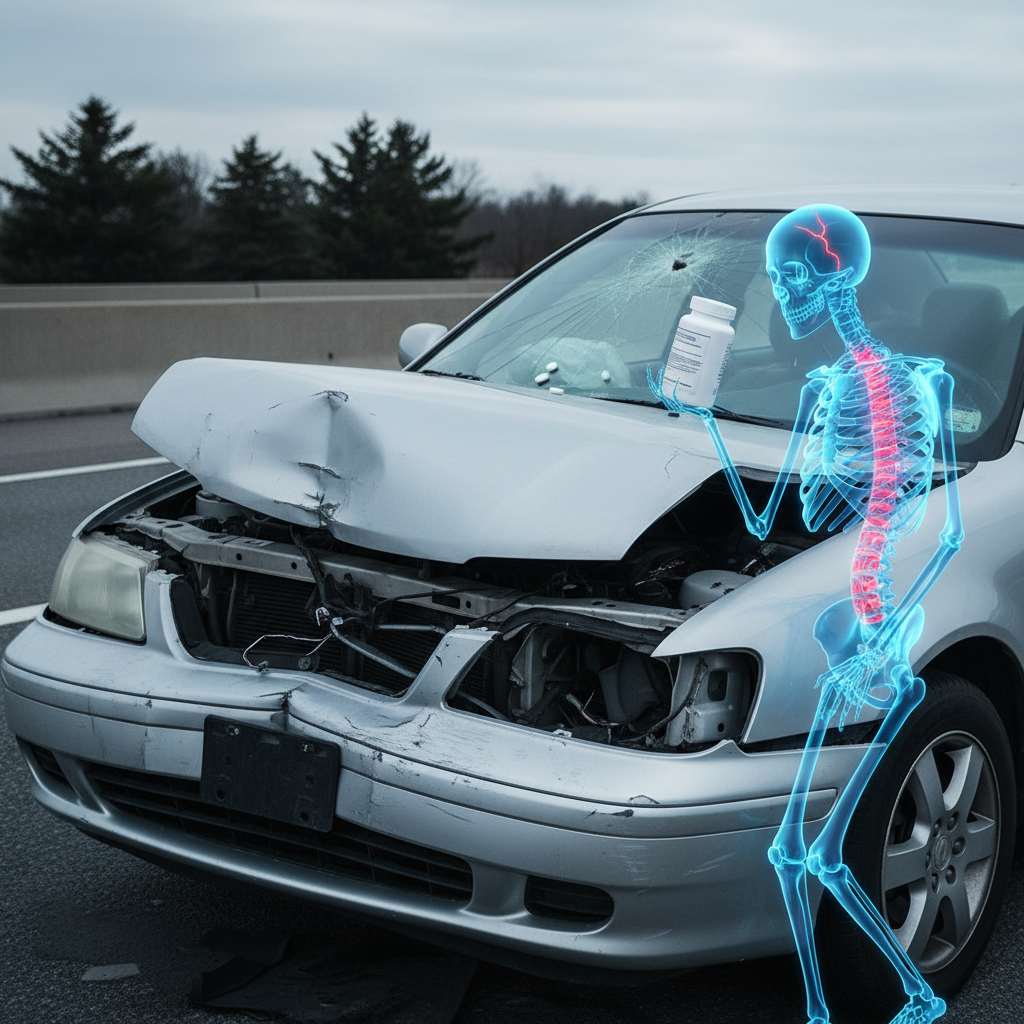
Myth 4: Chiropractic care is only for back pain.
Fact: Chiropractic care addresses the entire nervous system and its connection to overall body function, which can be disrupted by auto accident injuries.
While chiropractors are renowned for their expertise in spinal health, their focus extends beyond just back pain. The spine houses the nervous system, which controls every function in your body. Misalignments (subluxations) in the spine can interfere with nerve communication, potentially leading to symptoms far from the actual injury site, including headaches, dizziness, numbness, and fatigue. Chiropractic adjustments aim to restore proper spinal alignment, thereby optimizing nervous system function and promoting the body's natural healing capabilities.
How Do I Know If This Is My Issue? (Recognizing Potential Auto Accident Injuries)
It's natural to feel a range of emotions and physical sensations after an auto accident. While we cannot provide a diagnosis, recognizing common patterns can help you understand when to seek professional evaluation. After an accident, you might experience:
Neck Pain or Stiffness: This is perhaps the most classic sign, often worsening over hours or days. You might find it difficult to turn your head fully.
Headaches: New or worsening headaches, especially those starting at the base of the skull, can indicate whiplash or other cervical spine issues.
Shoulder Pain or Stiffness: Pain radiating from the neck into the shoulders, or discomfort when moving your arms.
Low Back Pain: Compression or twisting forces during an impact can also affect the lumbar spine, leading to localized pain or stiffness in the lower back.
Numbness, Tingling, or Weakness: These sensations in the arms, hands, legs, or feet can signal nerve irritation or compression.
Dizziness or Vertigo: Problems with the neck and inner ear can sometimes result in feelings of unsteadiness or spinning.
Fatigue or Difficulty Sleeping: The body expends significant energy trying to heal and cope with pain, leading to exhaustion.
Difficulty Concentrating or Memory Issues: Post-concussive symptoms can sometimes accompany whiplash, even without a direct head impact.
Remember, these symptoms can indicate a variety of conditions. A professional evaluation is essential to understand their cause.
What Typically Helps (and What Doesn't)
When recovering from an auto accident, making informed choices about your care is crucial.
What Often Helps:
Early Intervention: Seeking evaluation soon after an accident, even without immediate pain, can help identify and address issues before they become chronic.
Chiropractic Adjustments/Spinal Manipulation: These gentle, targeted techniques aim to restore proper movement to spinal joints that may have become restricted or misaligned due to the trauma. This can help reduce pain, improve nerve function, and promote natural healing. Evidence supports the effectiveness of spinal manipulation for acute and chronic back and neck pain. [^1]

Specific Exercises and Stretches: Once appropriate, certain movements can help restore flexibility, strengthen supporting muscles, and improve posture.
Shockwave Therapy (Extracorporeal Shockwave Therapy/ESWT): For some soft tissue injuries that may arise from auto accidents, like certain tendon or muscle issues, ESWT can be a non-invasive option. It delivers acoustic waves to the affected area, which can promote tissue regeneration and reduce pain. Research continues to explore its efficacy in various musculoskeletal conditions. [^2]
Rest (Appropriate, Not Excessive): While immediate rest is important, prolonged inactivity can hinder recovery. Gentle movement as tolerated is generally encouraged.
Proper Posture: Being mindful of how you sit, stand, and sleep can support spinal health during recovery.
What Often Doesn't Help (or Can Hinder Recovery):
Ignoring Symptoms: Hoping the pain will simply "go away" often leads to chronic conditions that are harder to treat later.
Excessive Bed Rest: While tempting, too much inactivity can lead to muscle weakness, stiffness, and delayed recovery.
Over-reliance on Pain Medication: As discussed, pain pills mask symptoms; they don't fix the underlying mechanical problems.
"Pushing Through" Severe Pain: Ignoring your body's signals and pushing yourself too hard can aggravate injuries.
Seeking only generalized care: Without a focus on the specific biomechanical issues resulting from an accident, recovery may be incomplete.
Our Personalized Approach at Coastal Medical and Wellness Center, Stuart FL
At Coastal Medical and Wellness Center in Stuart, FL, serving the Treasure Coast, we understand that every auto accident injury is unique, just like every person. We don't believe in one-size-fits-all solutions. Our philosophy centers on a personalized approach, ensuring your treatment plan is specifically tailored to your body, your injuries, and your recovery goals.
From your very first visit, you'll experience what we call "Disney-Wow" customer service. We take the time to listen, conduct a thorough assessment, and clearly explain our findings and recommended strategies. Our goal is to empower you with knowledge and confidence in your path to recovery.

Your customized treatment plan may include:
Gentle Chiropractic Adjustments/Spinal Manipulation: Designed to carefully restore proper alignment and motion to your spine, alleviating nerve interference and promoting your body's natural healing mechanisms. Our chiropractors are skilled in various techniques to ensure your comfort and effectiveness.
Targeted Shockwave Therapy: If your injuries involve stubborn soft tissue issues, like certain muscle strains or tendinopathies resulting from the impact, we may incorporate Extracorporeal Shockwave Therapy (ESWT). This advanced, non-invasive treatment can accelerate healing by stimulating circulation and cellular repair in the affected areas.
Rehabilitative Exercises: We'll guide you through specific exercises designed to strengthen weakened muscles, improve flexibility, and stabilize your spine, helping to prevent future issues.
Lifestyle Recommendations: We provide practical advice on posture, ergonomics, and daily activities to support your recovery and long-term well-being.
Our integrated approach focuses on not just relieving your pain, but on restoring your optimal health and function so you can get back to enjoying life on the Treasure Coast.
Urgent Symptoms Warning: When to Seek Immediate Medical Attention
While chiropractic care is incredibly beneficial for many auto accident injuries, certain symptoms require immediate medical evaluation at an urgent care center or emergency room. If you experience any of the following, please seek immediate medical attention:
Sudden, severe headache unlike any you've had before.
Loss of consciousness at any point after the accident.
Difficulty speaking, sudden weakness on one side of your body, or facial drooping(possible stroke symptoms).
Loss of bladder or bowel control.
Numbness or tingling in the "saddle area"(groin and inner thighs – known as saddle anesthesia).
Fever with new or worsening back pain.
Severe shortness of breath or chest pain.
If you are currently undergoing cancer treatment and experience new pain.
This information is not exhaustive, and you should always trust your instincts if you feel something is seriously wrong.
Frequently Asked Questions About Chiropractic Care After an Auto Accident
Q: Why should I see a chiropractor after a car accident if I feel fine?
A: It's crucial because many auto accident injuries, particularly whiplash and soft tissue damage, can have delayed symptoms. An early chiropractic evaluation can detect and address underlying issues before they become chronic and more difficult to treat.
Q: What is whiplash, and how does chiropractic help?
A: Whiplash is a neck injury caused by rapid back-and-forth motion of the head. Chiropractic care, through gentle spinal adjustments, aims to restore proper alignment and motion to the neck, reducing pain, inflammation, and nerve irritation associated with whiplash.
Q: Is chiropractic care safe after an auto accident?
A: Yes, when performed by a qualified and experienced chiropractor, chiropractic care is generally considered safe and effective for many auto accident-related injuries. Your chiropractor will conduct a thorough examination to determine if it's appropriate for your specific condition.
Q: How long does recovery typically take with chiropractic care?
A: Recovery times vary widely depending on the individual, the nature and severity of their injuries, and how soon they begin treatment. Your chiropractor will develop a personalized treatment plan and discuss expected timelines with you.
Q: Will my auto insurance cover chiropractic care after an accident?
A: In many cases, personal injury protection (PIP) coverage in your auto insurance policy will cover chiropractic care following an accident. It's always best to verify your specific coverage with your insurance provider.
Q: What is Shockwave Therapy, and how does it relate to auto accident recovery?
A: Extracorporeal Shockwave Therapy (ESWT) delivers acoustic waves to injured areas. While primarily known for certain chronic tendon issues, it can be a beneficial non-invasive option for some specific soft tissue injuries sustained in an auto accident, promoting healing and pain reduction.
Conclusion: Don't Let the Unseen Injuries Linger
An auto accident is a disruptive event, but it doesn't have to lead to long-term pain. By understanding that injuries can be hidden and delayed, and by choosing a proactive, comprehensive approach to your recovery, you can significantly improve your outcome.
At Coastal Medical and Wellness Center, we're dedicated to helping the residents of Stuart, FL, and the Treasure Coast navigate their recovery with expert, personalized care. We believe in empowering you with knowledge and providing a supportive, effective path back to health.
Don't wait for hidden pain to become chronic. Take the first step towards a complete recovery.
Call 772-286-5277 to schedule a consult or visit.
References:
National Center for Complementary and Integrative Health (NCCIH) — Spinal manipulation: overview and evidence
Mayo Clinic — Extracorporeal Shock Wave Therapy (overview)
Cochrane Library — Manual therapy and exercise for neck pain (systematic review)
https://www.cochranelibrary.com/(search: “manual therapy and exercise for neck pain” — Cochrane reviews are paywalled, but the review summary is authoritative; if you prefer, I can extract the specific DOI or summary text)
PubMed Central — Whiplash-associated disorders: clinical practice and outcomes (peer-reviewed review)
Example review: Scholten-Peeters GG, et al. “Prognosis of whiplash-associated disorders: a systematic review.” PMCID
Quick search link:https://pubmed.ncbi.nlm.nih.gov/?term=whiplash+prognosis+systematic+review
Centers for Disease Control and Prevention (CDC) — Motor vehicle safety and injury prevention resources (context on crash-related injuries)
Disclaimer:This content is for informational purposes only and is not intended to be a substitute for professional medical advice, diagnosis, or treatment. Always seek the advice of your physician or other qualified health provider with any questions you may have regarding a medical condition.
