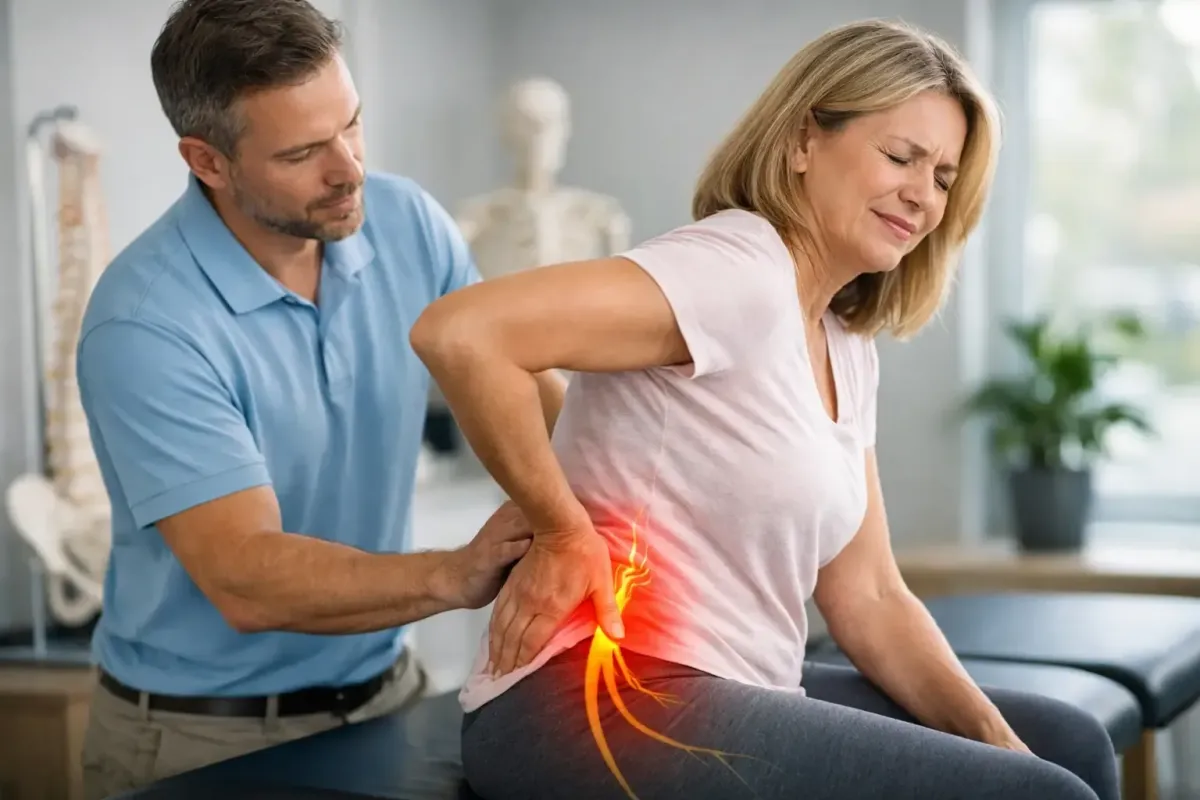
Can Chiropractic Help Sciatica Pain?
That sharp, burning pain running from your low back into your hip or down your leg can turn ordinary things into a challenge. If you are asking, can chiropractic help sciatica pain, the short answer is yes - for many people, it can. The better answer is that it depends on what is irritating the sciatic nerve, how long it has been going on, and whether the right treatment plan is built around the real cause.
Can chiropractic help sciatica pain in the right cases?
Sciatica is not a diagnosis by itself. It is a symptom pattern that usually happens when the sciatic nerve is irritated or compressed. Some people feel a dull ache in the low back and buttock. Others feel tingling, numbness, weakness, or electric pain down one leg. In many cases, the problem starts in the lower spine, but the pain is felt farther down the body.
Chiropractic care may help when sciatica is linked to mechanical issues such as spinal joint restriction, disc irritation, postural stress, muscle imbalance, or pressure caused by poor movement patterns. A well-planned chiropractic approach aims to reduce stress on the affected nerve, improve spinal motion, calm surrounding inflammation, and help the body move more normally again.
That said, chiropractic is not a one-size-fits-all answer. If sciatica is caused by a large disc herniation, severe spinal stenosis, advanced degeneration, or another condition that needs a different level of care, treatment has to be adapted. The goal should never be to force a standard adjustment onto every case. The goal is to find the cause and build the right plan.
What causes sciatica in the first place?
Sciatica often develops when something in the low back or pelvis puts pressure on the sciatic nerve roots or creates inflammation around them. A bulging or herniated disc is one common reason. Spinal narrowing, arthritis-related changes, and poor spinal alignment can also play a role. In some cases, tight muscles in the glute or hip region contribute to nerve irritation, especially when sitting for long periods makes symptoms worse.
This is why two people can both say they have sciatica and need very different treatment. One person may respond well to conservative care in a matter of weeks. Another may need a broader plan that includes decompression, rehab, or co-management with other medical providers.
For patients who want a natural, non-surgical option first, this is where an experienced clinic can make a real difference. The best care does more than chase pain. It looks at the spine, nerves, muscles, posture, daily activity, and overall health patterns that may be keeping the problem active.
How chiropractic treatment may relieve sciatic nerve pain
When chiropractic care is appropriate, treatment is designed to improve function and reduce the stress that is feeding the sciatic symptoms. Spinal adjustments may help restore healthier motion in the joints of the lower back and pelvis. If those joints are restricted or moving unevenly, that can change how force travels through the spine and increase irritation around the nerve.
Treatment may also include soft tissue work, mobility exercises, stretching, and guidance on sitting, bending, sleeping, and lifting. In more stubborn cases,spinal decompression may be recommended to create better space in the lower spine and reduce pressure associated with disc-related issues.
The value of chiropractic care is not just the adjustment itself. It is the evaluation and the plan. If the treatment is personalized, many patients notice less leg pain, better mobility, and more confidence with normal daily activities. They may still need time for healing, but reducing the stress on the nerve often helps the body settle down.
When results are more likely
Chiropractic tends to work best when sciatica is mechanical in nature, symptoms are moderate rather than rapidly worsening, and there is no red flag suggesting a more urgent problem. Patients who follow through with exercises, posture changes, and activity guidance usually do better than those who rely on passive treatment alone.
When results may be limited
If the nerve is severely compressed, if there is significant muscle weakness, or if symptoms are getting worse quickly, chiropractic may only be one part of the picture or may not be the starting point at all. This is why a thorough exam matters. Good care is not about saying yes to every patient. It is about knowing who is a good fit for conservative treatment and who needs further testing or referral.
What to expect at a chiropractic visit for sciatica
A quality evaluation should begin with questions about where the pain starts, how far it travels, what movements trigger it, whether there is numbness or weakness, and how long the problem has been present. The provider should look at posture, spinal motion, leg strength, reflexes, and nerve tension signs. If needed, imaging or additional medical evaluation may be recommended.
Once the cause is clearer, the treatment plan should be explained in plain language. You should understand what is being treated, why that approach was chosen, and what kind of progress is realistic. Some patients improve quickly. Others need a longer course of care, especially if the issue has been building for months or years.
At Coastal Medical & Wellness, that kind of root-cause approach matters because sciatic pain is often tied to more than one issue at a time. A patient may have disc stress, pelvic imbalance, and muscle tightness all contributing to the same pain pattern. Treating only one piece can leave people frustrated when symptoms keep coming back.
Can chiropractic help sciatica pain better than medication alone?
Medication may reduce pain temporarily, but it does not correct joint restriction, disc stress, poor movement mechanics, or the habits that keep irritating the nerve. For some patients, medication has a place, especially during flare-ups, but many people are looking for a more complete and drug-free path forward.
That is one reason chiropractic care is appealing. It focuses on restoring function while supporting the body’s natural healing process. If treatment also includes decompression, rehab strategies, and practical lifestyle guidance, the plan becomes even more effective. Instead of only quieting symptoms, the goal becomes improving the environment around the nerve.
Still, this is not an either-or issue for everyone. Some patients benefit from a combination approach depending on pain levels, age, activity demands, and underlying health history. Good providers stay flexible and patient-centered.
Signs you should not wait to get evaluated
Sciatica is common, but certain symptoms deserve prompt medical attention. If you have progressive leg weakness, loss of bladder or bowel control, numbness in the groin area, severe pain after trauma, unexplained fever, or unexplained weight loss with back pain, you should seek urgent evaluation. Those signs point to something more serious than routine nerve irritation.
Even without emergency symptoms, it is smart to get checked if the pain has lasted more than a couple of weeks, keeps returning, or is limiting sleep, work, walking, or exercise. The longer abnormal nerve irritation goes on, the harder it can become to fully calm it down.
The bigger goal is not just pain relief
Most people with sciatica do not just want less pain for a few days. They want to sit through work without burning down the leg, sleep through the night, get back to exercise, and trust their body again. That takes more than a quick fix.
When chiropractic care is used thoughtfully, it can be a strong part of that process. It may help reduce pressure on the nerve, improve how the spine and pelvis move, and support long-term recovery without relying only on medication. But the best results usually come from personalized care, not generic care.
If you are asking whether chiropractic can help your sciatica, the next step is not guessing. It is getting a clear evaluation, understanding what is driving the pain, and choosing a plan that treats the cause as well as the symptoms. Relief matters, but lasting function matters more.
