Can Spinal Decompression Help Sciatica Pain?
Sciatica can make ordinary movements feel like major obstacles. A sharp pain down the leg when you stand from the car, tingling in the foot after sitting at work, or a burning ache that disrupts sleep can leave you looking for answers beyond medication. So, can spinal decompression help sciatica? For some people, it can be a valuable non-surgical option for reducing nerve irritation, improving movement, and supporting the body’s healing process.
The key is understanding what is causing your symptoms. Sciatica is not a diagnosis by itself. It is a pattern of symptoms that occurs when the sciatic nerve, or one of the nerve roots that forms it, becomes irritated or compressed. A thorough evaluation helps determine whether spinal decompression is appropriate for your condition and what other care may help you recover.
What sciatica feels like and why it happens
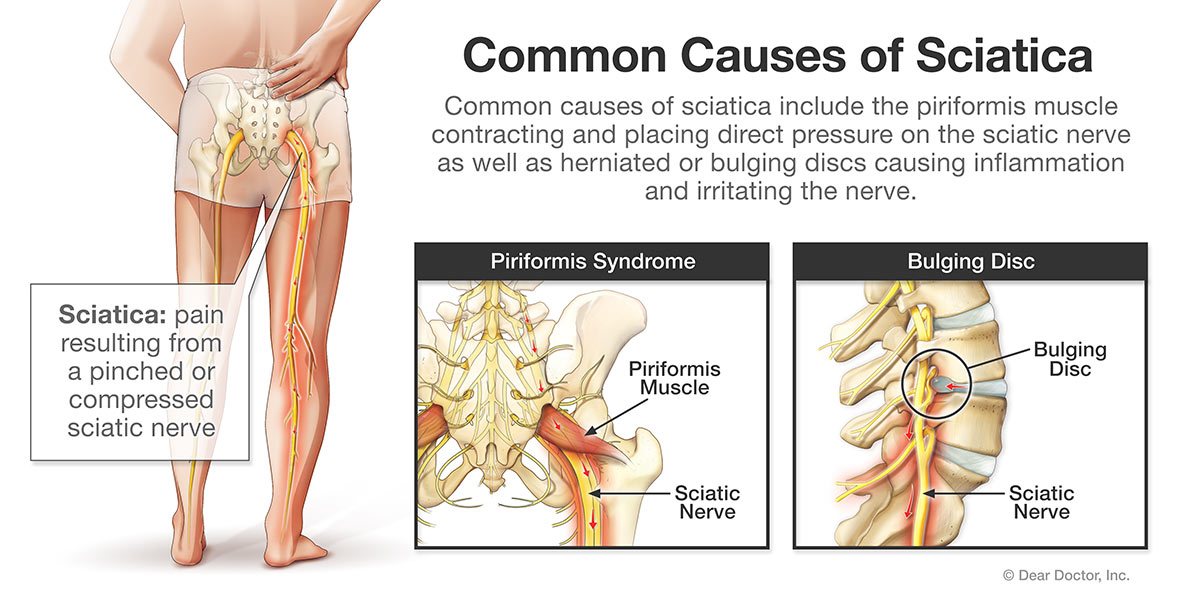
The sciatic nerve runs from the lower back through the hips and down each leg. When a nerve root in the low back is inflamed or under pressure, pain may travel from the buttock into the thigh, calf, or foot. Some people feel a sudden electric sensation. Others notice numbness, pins and needles, muscle weakness, or a deep ache that worsens after prolonged sitting, bending, coughing, or lifting.
A bulging or herniated disc is one common cause. Discs are the cushions between the bones of the spine, and their outer layer can weaken or shift in a way that irritates a nearby nerve. Sciatica can also be related to degenerative disc changes, spinal stenosis, joint dysfunction, muscle tension around the pelvis, or an injury such as a car accident.
Because several conditions can produce similar symptoms, self-diagnosis can lead people in the wrong direction. The goal is not simply to quiet leg pain for a few days. It is to identify the source of pressure or irritation and create a plan that supports lasting function.
Can spinal decompression help sciatica symptoms?
Non-surgical spinal decompression uses a specialized table to apply gentle, controlled traction to the spine. The treatment alternates between stretching and relaxing the lower back in a way that may reduce pressure within spinal discs. This can encourage fluid, oxygen, and nutrients to move through the disc area while creating more room around irritated nerve structures.
For a person whose sciatica is related to disc pressure, this approach may help reduce radiating pain, numbness, and stiffness over a series of treatments. Many patients also find that they can stand, walk, sleep, or return to daily routines with greater comfort as their symptoms improve.
Results are not identical for everyone. Spinal decompression does not force a disc back into place, and it is not a quick fix for every type of sciatic pain. Its value depends on the underlying cause, the severity and duration of symptoms, overall spinal health, and whether the plan includes the right supportive care. That is why an individualized assessment matters more than a one-size-fits-all treatment schedule.
What a decompression session is like
Spinal decompression is generally gentle and comfortable. You remain clothed while being positioned on a motorized treatment table. A harness helps stabilize the pelvis and lower body as the table delivers measured traction to the lumbar spine. The provider adjusts the settings based on your condition, comfort, and response to care.
Most sessions last about 20 to 30 minutes. You may feel a mild stretching sensation in the low back, but treatment should not be painful. Some people notice early relief; others improve gradually as inflammation settles and mobility returns. Consistency is often necessary, especially when symptoms have been present for weeks or months.
At Coastal Medical & Wellness,decompression can be considered as part of a personalized plan rather than as an isolated service. Depending on the findings from your exam, chiropractic care, mobility guidance, and natural pain-management strategies may be used to address spinal movement, muscle imbalance, and habits that contribute to recurring irritation.
Who may be a good candidate?
Spinal decompression may be considered for adults with persistent low back pain and leg symptoms related to a disc bulge, disc herniation, degenerative disc changes, or certain forms of nerve compression. It can be especially appealing for people who want to explore conservative, drug-free care before considering more invasive options.
A good candidate is not simply someone who has pain down the leg. The treatment must fit the person’s health history. Your provider should review prior injuries, imaging when available, symptom patterns, medications, and any changes in strength or sensation. A hands-on examination can also help distinguish true nerve-root irritation from hip, joint, or muscle conditions that can mimic sciatica.
Spinal decompression may not be recommended for everyone. Certain fractures, severe osteoporosis, spinal instability, advanced neurological deficits, some surgical hardware, active cancer involving the spine, infection, or specific medical conditions may require another approach. Pregnancy can also change which treatments are appropriate. An honest screening process protects your health and helps direct you toward the care you actually need.
Why decompression works best as part of a care plan
Nerve pressure is only part of the problem for many people with sciatica. After days or weeks of protecting a painful area, it is common to develop guarded movement, weak core and hip muscles, reduced flexibility, and poor tolerance for sitting or lifting. If those factors are not addressed, symptoms can return even after the immediate pain calms down.
A well-rounded plan may include chiropractic adjustments when appropriate, targeted therapeutic exercises, movement recommendations, and guidance on posture and activity modification. For example, a person who drives long distances for work may need a strategy for seat position, breaks, and safe ways to get in and out of the vehicle. Someone whose pain started after yardwork may need help improving how they bend, lift, and rotate.
Rest has a role during a painful flare, but too much inactivity can create more stiffness and weakness. Gentle walking and provider-directed movement are often more useful than staying in bed for days. The right pace is personal. Pushing through sharp, worsening nerve pain is not the same as gradually rebuilding confidence in movement.
When sciatica needs urgent medical attention
Most sciatica cases can be evaluated through a scheduled appointment, but certain symptoms require immediate medical care. Seek urgent evaluation if you develop new loss of bladder or bowel control, numbness in the groin or saddle area, rapidly worsening leg weakness, severe pain after a major fall or accident, fever with significant back pain, or unexplained weight loss along with persistent symptoms.
These signs can indicate a more serious condition that should not be managed with home remedies or routine decompression visits. If your symptoms are severe, progressive, or different from prior back pain, getting an appropriate medical evaluation is the safest next step.
What you can do between appointments
Small choices can make a meaningful difference while your body heals. Avoid repeated bending, twisting, and heavy lifting during an active flare. Change positions regularly instead of sitting for long stretches, and use a supportive posture that does not force the low back into an uncomfortable position. Heat or cold may provide temporary comfort, depending on which feels better for your symptoms.
Pay attention to the direction of your pain. If leg symptoms are moving farther down the leg, becoming more intense, or causing increasing weakness, contact your provider. If pain begins to centralize - moving out of the calf or foot and closer to the low back - that can be a positive sign, though it should still be interpreted within your full clinical picture.
Lasting sciatica relief begins with a clear answer to a simple question: what is putting your nerve under stress? Spinal decompression may be one useful part of the solution, but the best plan is the one built around your body, your symptoms, and your goals. With the right evaluation and consistent care, you can move from protecting your back every day to feeling more confident in what your body can do again.
