When Neck Pain Travels: Understanding Cervical Radiculopathy and Finding Relief in Stuart, FL
When Neck Pain Travels: Understanding Cervical Radiculopathy and Finding Relief in Stuart, FL
You're sitting at your desk, and you feel it again—that sharp, electric pain shooting from your neck down into your shoulder, arm, and maybe even into your fingers. You shift positions, roll your shoulders, crack your neck, but the tingling persists. Maybe it wakes you up at night. Maybe you've dropped your coffee cup twice this week because your hand just... didn't grip right.
You've probably Googled "neck pain radiating to arm" at 2 AM and found yourself more confused than when you started. Is it a pinched nerve? A herniated disc? Something more serious? And more importantly—what actually helps?
Let's remove the confusion and talk about what's really happening when neck pain decides to travel down your arm.
What Is Cervical Radiculopathy?
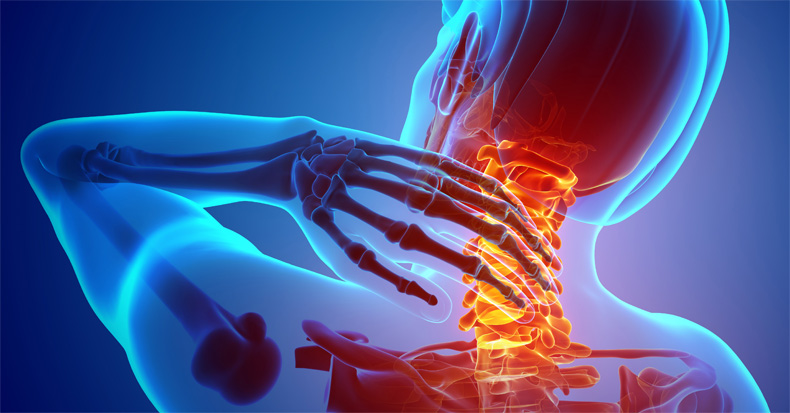
Cervical radiculopathy is the medical term for what happens when a nerve root in your neck becomes compressed or irritated. Your cervical spine (neck) has seven vertebrae, and between each vertebra, nerve roots branch off and travel down into your shoulders, arms, and hands. When one of these nerve roots gets pinched—whether from a herniated disc, bone spur, or inflammation—it can send pain, numbness, tingling, or weakness anywhere along that nerve's pathway1.
Think of it like a garden hose with a kink. The water (or in this case, nerve signals) can't flow properly, and you feel the effects downstream.
According to the National Institute of Neurological Disorders and Stroke, cervical radiculopathy affects approximately 85 out of 100,000 people annually, with peak incidence in the fifth decade of life2. But it's not just an "older person's problem"—poor posture, repetitive movements, and even sleeping positions can contribute to nerve compression at any age.

Myth vs. Fact: What You Think You Know About Radiating Neck Pain
Myth #1: "It's Just a Pinched Nerve—It'll Go Away on Its Own"
Fact: While some cases of cervical radiculopathy do resolve with time and conservative care, ignoring persistent symptoms can lead to chronic pain patterns and, in some cases, permanent nerve damage. The Cleveland Clinic notes that early intervention with appropriate conservative treatments often leads to better outcomes than a "wait and see" approach3.
The challenge is that your body may try to compensate for the nerve irritation by tensing surrounding muscles, creating a cycle of inflammation and compression that makes the problem worse over time. What starts as occasional tingling can progress to constant pain or significant weakness if the underlying mechanical problem isn't addressed.
Myth #2: "Rest Is the Best Medicine"
Fact: Complete rest and immobilization can actually be counterproductive. While you shouldn't aggravate an acute flare-up with heavy lifting or extreme movements, gentle movement and specific therapeutic interventions help maintain mobility, reduce inflammation, and promote healing4.
Prolonged immobility can lead to muscle atrophy, stiffness, and decreased circulation to the affected area—all of which can slow recovery. The goal is controlled, therapeutic movement, not extended bed rest.
Myth #3: "All Neck Pain That Goes Down the Arm Is the Same"
Fact: The specific location and type of your symptoms can indicate which nerve root is involved. C5 nerve root compression might cause shoulder weakness and pain, while C6 involvement often affects the thumb side of your hand. C7 compression might cause pain and numbness in your middle finger, and C8 might affect your pinky side1.
This specificity matters because different nerve roots respond to different treatment approaches and positions. A thorough evaluation can identify the specific level of involvement and guide a more targeted treatment strategy.
Myth #4: "Cracking Your Own Neck Will Help"
Fact: Self-manipulation can provide temporary relief but may also cause further irritation or injury if done incorrectly or too frequently. There's a significant difference between the controlled, specific adjustments delivered by a trained chiropractor and the general "cracking" most people do at home.
According to research published in theJournal of Manipulative and Physiological Therapeutics, professional spinal manipulation targets specific vertebral segments with precise force and direction, whereas self-manipulation creates uncontrolled forces across multiple segments5. This precision matters when dealing with an already-irritated nerve root.
How Do I Know If This Is My Issue?
Cervical radiculopathy has a fairly distinctive presentation. You might be dealing with this condition if you experience:
Sharp, shooting pain that travels from your neck into your shoulder, arm, or hand (usually on one side)
Numbness or tingling in specific fingers or areas of your arm
Weakness when gripping objects, lifting, or performing fine motor tasks
Pain that changes with neck position—often worse when you look up, turn your head to the affected side, or extend your neck backward
Symptoms that worsen at night or when you first wake up
Relief when you place your hand on top of your head(called Bakody's sign—this position can temporarily reduce nerve compression)
The symptoms typically follow a specific pattern based on which nerve root is compressed, rather than random, diffuse pain throughout your entire arm.
It's worth noting what cervical radiculopathy typically doesn't feel like: It's not usually a dull, aching muscle pain that stays localized to your neck and shoulders. It's not pain that moves randomly around your body from day to day. And it's not accompanied by symptoms in both arms simultaneously (which could indicate a more serious spinal cord issue).
What Typically Helps (and What Doesn't)
Let's talk about practical approaches—what the evidence suggests can support healing and what might be a waste of your time.
What Often Helps:
Positional modifications: Many people find relief by avoiding positions that extend the neck backward or rotating it toward the painful side. Sleeping with proper neck support and being mindful of head position during work can reduce compression.
Gentle cervical traction: The concept is simple—creating space between vertebrae can reduce pressure on nerve roots. This is the fundamental principle behind therapeutic spinal decompression.
Targeted spinal adjustments: Research indicates that specific chiropractic manipulation of the cervical spine may help reduce pain and improve function in some patients with cervical radiculopathy, particularly when combined with other conservative therapies5.
Activity modification: Continuing movement while avoiding activities that aggravate symptoms allows healing without deconditioning.
Anti-inflammatory nutrition: While we won't recommend specific supplements, generally reducing inflammatory foods and staying well-hydrated supports overall healing.
What Typically Doesn't Help:
Prolonged heat or ice alone: While these may provide temporary symptom relief, they don't address the underlying mechanical compression causing the nerve irritation.
Ignoring the problem: Hoping it will resolve without addressing the biomechanical cause often leads to chronic issues.
Repetitive self-manipulation: This can create instability and further irritation without addressing the specific segment that needs attention.
Generic strengthening exercises: Random neck exercises found online aren't customized to your specific nerve involvement and may actually worsen symptoms if they compress the affected nerve root further.

Our Personalized Approach at Coastal Medical and Wellness Center, Stuart FL
Here in Stuart and throughout the Treasure Coast, we see patients with cervical radiculopathy regularly—from office workers in Port St. Lucie dealing with "tech neck" to manual laborers in Jensen Beach with repetitive strain injuries. What we've learned is that no two cases are exactly alike, which is why cookie-cutter treatment plans rarely deliver optimal results.
When you come to Coastal Medical and Wellness Center, the first thing we do is listen. We want to understand your specific symptom pattern, what makes it better or worse, how it's affecting your daily life, and what you've already tried.
Then we conduct a thorough evaluation to identify which nerve root is involved and what mechanical factors might be contributing to the compression. This informs a customized treatment plan that might include:
Chiropractic Care: We use specific spinal manipulation and adjustments targeted to the affected cervical segments. The goal is to restore proper alignment and movement to vertebrae that may be contributing to nerve compression. These aren't forceful "crack and pop" sessions—they're precise, controlled adjustments designed to reduce irritation and improve biomechanics.
Some patients respond well to diversified technique, others to more gentle instrument-assisted approaches. We adapt based on your comfort, your specific presentation, and your body's response.
Spinal Decompression Therapy: For appropriate candidates, spinal decompression can be particularly valuable for cervical radiculopathy. This therapy uses controlled traction to gently create negative pressure within the disc spaces, which may help reduce disc bulging or herniation and decrease nerve root compression.
During treatment, you're positioned comfortably while the decompression unit applies gentle, intermittent traction to specific cervical segments. Many patients find this deeply relaxing, and sessions typically last 20-30 minutes. The treatment is cumulative—we typically recommend a series of sessions as part of a comprehensive care plan.
The "Disney-Wow" Difference: We're not just about clinical outcomes (though those matter tremendously). We're about making your experience as seamless, comfortable, and supportive as possible. That means minimal wait times, clear communication about what to expect, and genuine care for your wellbeing at every touchpoint.
We want you to leave each visit feeling heard, hopeful, and equipped with practical strategies for supporting your recovery between sessions.
⚠️ When to Seek Immediate Medical Attention
While cervical radiculopathy is typically not a medical emergency, certain symptoms require immediate evaluation at an emergency room:
Sudden onset of weakness in both arms or legs
Loss of bladder or bowel control
Difficulty walking or maintaining balance
Symptoms accompanied by fever(which could indicate infection)
If you are currently undergoing cancer treatment and develop new neck pain or neurological symptoms
Severe, progressive weakness that develops rapidly
Symptoms of a stroke: sudden facial drooping, arm weakness, or speech difficulty
These symptoms could indicate spinal cord compression, infection, or other serious conditions that require urgent intervention. When in doubt, err on the side of caution and seek immediate care.

Frequently Asked Questions About Cervical Radiculopathy
Q: How long does cervical radiculopathy take to heal?
A: Recovery timelines vary significantly based on the underlying cause, severity, and individual factors. Some patients experience significant improvement within a few weeks of beginning conservative care, while others may require several months of treatment. The Cleveland Clinic notes that approximately 75-90% of patients improve with conservative treatment3.
Q: Can cervical radiculopathy come back after treatment?
A: Like many musculoskeletal conditions, cervical radiculopathy can recur, particularly if the underlying biomechanical or postural factors aren't addressed. This is why we emphasize not just symptom relief but also identifying and modifying contributing factors.
Q: Is cervical radiculopathy the same as a herniated disc?
A: Not exactly. A herniated disc is one possible cause of cervical radiculopathy, but nerve compression can also result from bone spurs, foraminal stenosis (narrowing of the opening where nerves exit), or inflammation. Cervical radiculopathy describes the symptoms (nerve root compression), while herniated disc describes one potential anatomical cause.
Q: Will I need surgery for cervical radiculopathy?
A: The majority of patients with cervical radiculopathy improve with conservative care and do not require surgical intervention. Surgery is typically considered only when conservative treatments have been unsuccessful after several months, or when there's progressive neurological deterioration or significant functional impairment.
Q: Can poor posture cause cervical radiculopathy?
A: While poor posture alone may not directly cause nerve compression, chronic forward head posture and rounded shoulders can alter cervical biomechanics, increase disc pressure, and contribute to conditions that lead to nerve compression over time. Addressing postural habits is often an important component of long-term management.
Q: What's the difference between cervical radiculopathy and carpal tunnel syndrome?
A: Both can cause arm and hand symptoms, but they originate from different locations. Cervical radiculopathy involves nerve compression in the neck, while carpal tunnel syndrome involves compression of the median nerve at the wrist. The symptom patterns differ—cervical radiculopathy typically causes pain that radiates from the neck down, while carpal tunnel primarily affects the thumb, index, middle, and part of the ring finger, often with worse symptoms at night.
Q: Can I exercise with cervical radiculopathy?
A: Gentle, appropriate exercise is generally beneficial, but the specific activities should be tailored to your condition. Exercises that extend or rotate the neck toward the painful side often aggravate symptoms, while neutral spine activities are usually well-tolerated. Working with a healthcare provider to develop an appropriate exercise plan is advisable.
Q: Does weather affect cervical radiculopathy symptoms?
A: While not well-established in research, many patients report that symptoms worsen with barometric pressure changes or cold weather. Whether this is due to physiological changes, increased muscle tension, or altered activity patterns isn't entirely clear, but being aware of your personal triggers can help you prepare and modify activities accordingly.
Key Takeaways
Cervical radiculopathy—neck pain that radiates into the arm or hand—is more than just a "pinched nerve." It's a specific condition involving nerve root compression that can significantly impact your daily function and quality of life.
The good news is that conservative approaches, including chiropractic care and spinal decompression therapy, have helped many patients find meaningful relief without invasive procedures. Success typically involves addressing both the immediate symptoms and the underlying biomechanical factors contributing to nerve compression.
If you're dealing with shooting pain, tingling, or weakness traveling from your neck into your arm, you don't have to navigate this alone. Here at Coastal Medical and Wellness Center in Stuart, FL, we serve patients throughout the Treasure Coast with personalized treatment plans designed around your specific needs, lifestyle, and goals.
We combine evidence-based therapies with genuine, attentive care—the kind of experience that makes you feel like you're our only patient, even though we serve the entire Stuart community and surrounding areas.
Ready to explore whether chiropractic care or spinal decompression might be appropriate for your situation? Call 772-286-5277 to schedule a consult or visit. Let's work together to understand what's happening and create a path toward feeling better.
Medical Disclaimer: This blog post is for informational and educational purposes only and does not constitute medical advice. It is not intended to diagnose, treat, cure, or prevent any disease or medical condition. Always seek the advice of your physician or other qualified health provider with any questions you may have regarding a medical condition. Never disregard professional medical advice or delay in seeking it because of something you have read in this article. If you think you may have a medical emergency, call your doctor or 911 immediately.
Footnotes
National Institute of Neurological Disorders and Stroke. (2023). Pinched Nerve Information Page.https://www.ninds.nih.gov/health-information/disorders/pinched-nerve↩↩2
National Institute of Neurological Disorders and Stroke. Cervical Radiculopathy Fact Sheet.https://www.ninds.nih.gov↩
Cleveland Clinic. (2024). Cervical Radiculopathy.https://my.clevelandclinic.org/health/diseases/cervical-radiculopathy↩↩2
American Academy of Orthopaedic Surgeons. Cervical Radiculopathy (Pinched Nerve).https://orthoinfo.aaos.org↩
Haldeman, S., et al. (2009). Findings from the bone and joint decade 2000 to 2010 task force on neck pain and its associated disorders.Journal of Manipulative and Physiological Therapeutics, 32(2), S17-S20.https://www.jmptonline.org↩↩2
