Do Disc Bulges & Herniations Impact Daily Life (ADLs)—and Can Spinal Decompression (Cox® Technic) Help in Stuart, FL?
Disc Bulges & Herniations: How They Impact Daily Life (ADLs)—and How Spinal Decompression (Cox® Technic) Can Help in Stuart, FL
A disc bulge or herniation can make everyday tasks—like getting dressed, driving, working, or even sleeping—painful and frustrating. If your symptoms are affecting your Activities of Daily Living (ADLs),spinal decompression therapy using Cox® Technic (flexion-distraction) may be a non-surgical option to reduce pressure on irritated spinal structures and help you move more comfortably.
Serving Stuart, FL and nearby areas (Palm City, Jensen Beach, Hobe Sound, Port Salerno, Sewall’s Point, and Martin County).
Quick Answer
Disc bulges and herniations can compress or irritate nearby nerves, leading to back/neck pain, sciatica, numbness, tingling, and weakness—often limiting ADLs like bathing, dressing, walking, sitting, and sleeping.Cox® Technic spinal decompression uses gentle, controlled spinal motion on a specialized table to decrease stress on discs and joints, improve mobility, and support a return to normal daily activities.
What’s the Difference Between a Disc Bulge and a Herniation?
Spinal discs sit between vertebrae and help absorb impact.
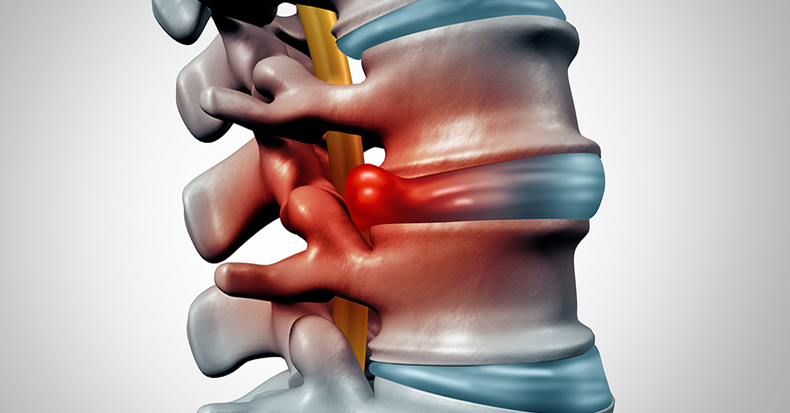
Disc bulge: the disc pushes outward beyond its normal boundary, but the outer ring is still mostly intact.
Disc herniation: the outer ring tears and inner disc material protrudes, which can irritate or compress a nerve root.
Either can cause symptoms—especially if nerve tissue is involved.
How Disc Bulges/Herniations Affect ADLs (Real-World Examples)
Activities of Daily Living(ADLs) are the essential tasks you need to function independently (bathing, dressing, toileting, transferring, feeding). Disc problems commonly disrupt ADLs by triggering pain with bending, sitting, standing, or reaching.
ADL challenges patients often report
Dressing: pain when bending to put on socks/shoes; difficulty reaching to pull on clothing.
Bathing/grooming: discomfort twisting in the shower; trouble washing hair or shaving.
Toileting/transfers: pain sitting down or standing up; stiffness after sitting.
Walking/standing: leg pain, heaviness, or weakness limiting distance and endurance.
Sleeping: waking at night, trouble finding a comfortable position.
Driving and working: increased pain with prolonged sitting; difficulty concentrating due to symptoms.
When nerves are involved (common patterns)
Lumbar disc issues: may cause sciatica (buttock/leg pain), tingling, numbness, or weakness.
Cervical disc issues: may cause arm/hand symptoms, grip weakness, or “pins and needles.”

Why These Symptoms Happen (Simple Explanation)
When a disc bulges/herniates, it can:
mechanically compress a nerve root, and/or
cause chemical irritation/inflammation around nerve tissue
That combination can make normal movement feel threatening—so people naturally avoid activity, which can reduce strength and mobility over time and worsen ADL limitations.
How Spinal Decompression Therapy (Cox® Technic) Works
Cox® Technicis a form of flexion-distraction spinal decompression performed by a trained provider on a specialized table. It applies gentle, rhythmic motion to the spine to help:
reduce pressure on spinal discs and joints
improve spinal movement and flexibility
calm nerve root irritation in certain presentations
support healing by improving motion and fluid exchange in the area
It’s designed to be controlled and patient-tolerant, not forceful.

How Cox® Decompression Can Help You Return to Normal ADLs
The goal isn’t just “less pain”—it’s function. When decompression reduces nerve irritation and improves movement, patients often find it easier to:
bend and dress with less guarding
sit longer (work, meals, driving)
walk farther with fewer leg symptoms
sleep more comfortably
safely restart exercise and strengthening
Most care plans also include guidance on posture, movement strategies, and targeted stabilization to help results last.
What to Expect at Our Stuart, FL Location
Your care plan should be based on function and exam findings—not guesswork. Visits commonly include:
Functional history: which ADLs are limited (sleep, sitting, walking, dressing, lifting, etc.)
Orthopedic/neurologic assessment: to identify patterns consistent with disc and/or nerve involvement
Cox® Technic decompression (if appropriate): customized to your tolerance and condition
Supportive rehab plan: simple home steps to build stability and reduce flare-ups
Progress checks: measured by ADLs (walking tolerance, sitting time, sleep quality, dressing, etc.)
When to Seek Urgent Medical Care
Seek urgent evaluation if you have:
new bowel/bladder control changes
saddle numbness
progressive weakness or foot drop
severe symptoms with fever, unexplained weight loss, or trauma
Visit Us (Stuart, Florida)
Coastal Medical & Wellness Center
3257 SE Salerno Road, Suite 3, Stuart, Florida
To learn whether Cox® Technic spinal decompression is appropriate for your disc bulge/herniation symptoms, schedule an evaluation.
Website:
References
StatPearls (NCBI Bookshelf).Activities of Daily Living (ADLs).https://www.ncbi.nlm.nih.gov/books/NBK470404/
StatPearls (NCBI Bookshelf).Disk Herniation.https://www.ncbi.nlm.nih.gov/books/NBK441822/
Cox® Technic (Flexion-Distraction) — Research and supporting literature.https://coxtechnique.com/the-research
National Institute of Neurological Disorders and Stroke (NINDS).Low Back Pain / related educational resources.https://www.ninds.nih.gov/health-information/disorders/low-back-pain
