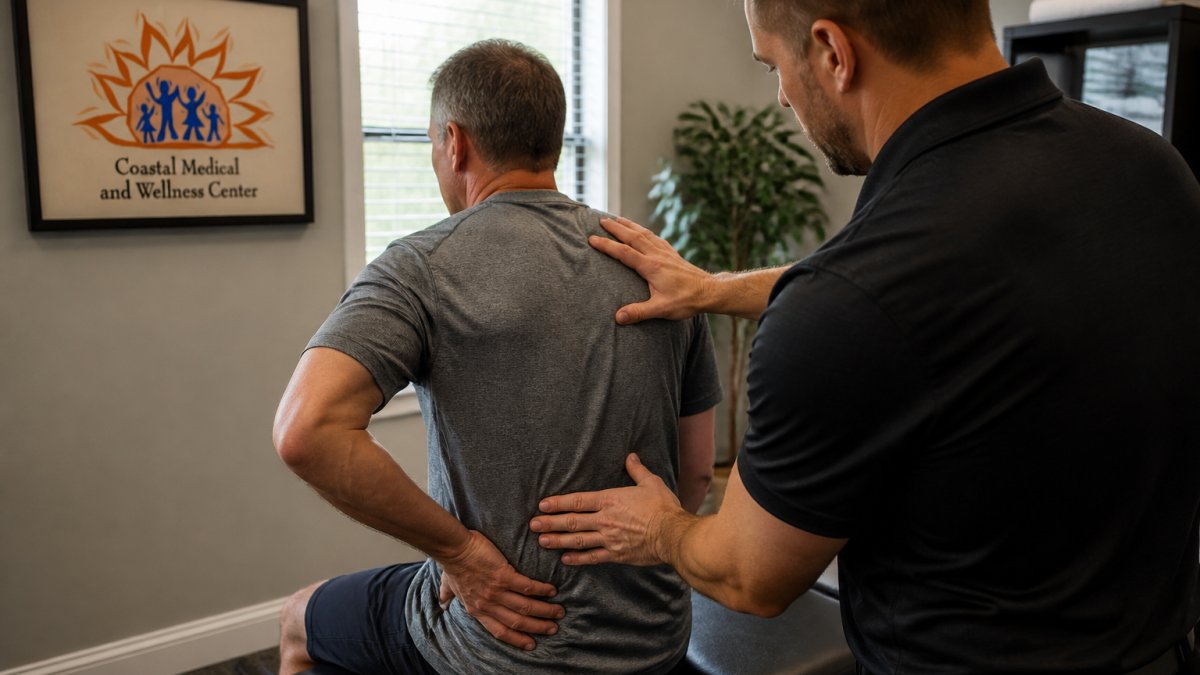
How to Heal a Herniated Disc Without Surgery
Last Updated: October 25, 2026
Quick Summary
Yes, a herniated disc heal without surgery is possible for many people through conservative treatment. Your body naturally absorbs herniated disc material over weeks or months in a process called disc resorption. Most people experience significant improvement within 4 to 12 weeks with physical therapy, exercise, and proper pain management.
- Most people see meaningful improvement within 4 to 12 weeks of consistent conservative care
- Cervical spine herniated discs often heal faster than lumbar spine ones because the neck carries less weight
- Physical therapy is the cornerstone of non-surgical treatment, combining stretching, strengthening, and postural correction
- Surgery becomes necessary only if conservative treatment fails after 6-12 weeks or you develop cauda equina syndrome
- Starting treatment immediately within the first 2-3 weeks typically results in faster recovery than delaying care
Table of Contents
- Can a Herniated Disc Heal Without Surgery
- How Long Does a Herniated Disc Take to Heal
- Herniated Disc Treatment Without Surgery
- Herniated Disc Exercises for Recovery
- When Is Surgery Needed for a Herniated Disc
- Red Flags and When to Seek Immediate Care
- Returning to Work and Activity After Disc Recovery
- Frequently Asked Questions
Can a Herniated Disc Heal Without Surgery
Yes, a herniated disc heal without surgery is possible for many people. The good news is that your body has a natural ability to repair disc damage over time.
A herniated disc occurs when the soft inner material of an intervertebral disc pushes through the outer layer.
The key factor is that disc material can resorb naturally. Research from the American Academy of Orthopaedic Surgeons confirms that most herniated discs improve without surgical intervention when treated properly.
At Coastal Medical and Wellness Center, our approach combines chiropractic care and functional medicine to address the root cause of your disc problem rather than just masking symptoms.
Conservative treatment works best when you start early and stay consistent. The longer you wait, the more likely chronic pain and weakness develop.
How Long Does a Herniated Disc Take to Heal
Recovery time varies based on the severity of your herniation and how quickly you start treatment. Most people see meaningful improvement within 4 to 12 weeks of consistent conservative care.
Here's what to expect:
- Mild cases: 2-6 weeks for noticeable pain reduction
- Moderate cases: 6-12 weeks for significant improvement
- Severe cases: 3-6 months for substantial recovery
The timeline also depends on which spine area is affected. Cervical spine (neck) herniated discs often heal faster than lumbar spine (lower back) ones because the neck carries less weight.
Complete healing of the disc itself takes longer, often 6 to 12 months. But you don't need to wait for complete healing to return to normal activities. Most people regain function and pain relief long before the disc fully resorbs.
Your individual recovery depends on these factors:
- Age and overall health
- How much nerve compression you have
- Whether you follow your treatment plan consistently
- Your activity level and lifestyle modifications
- The specific location and size of the herniation
Starting treatment immediately makes a huge difference. Patients who begin physical therapy and conservative care within the first 2-3 weeks typically recover faster than those who delay.
Herniated Disc Treatment Without Surgery
Physical Therapy and Conservative Care
Physical therapy is the cornerstone of non-surgical herniated disc treatment. A skilled physical therapist teaches you specific movements that reduce nerve compression and strengthen the muscles supporting your spine.
Conservative treatment typically includes:
- Controlled stretching to reduce muscle tension
- Strengthening exercises for your core and back muscles
- Postural correction and body mechanics training
- Manual therapy and soft tissue work
- Gradual return to normal activities
The goal is to decompress the affected nerve root. Many exercises work by creating space in the spine, which reduces pressure on the herniated disc material. Your therapist progresses your exercises as you improve, gradually increasing difficulty and intensity.
Rest is important initially, but complete bed rest actually slows healing. Movement, the right kind, promotes disc resorption and reduces inflammation. Your physical therapist determines which movements are safe for your specific situation.
The key is consistency and proper technique.
Pain Management and Anti-Inflammatory Options
Managing pain allows you to stay active and participate in recovery. Several effective options exist without relying on surgery.
Anti-inflammatory medication reduces swelling around the affected nerve. Over-the-counter options like ibuprofen or naproxen work for mild to moderate pain. Prescription muscle relaxants help ease spasms that often accompany herniated discs. These medications work best as a short-term tool while you address the underlying problem.
Heat therapy increases blood flow and loosens tight muscles (Current Indications and Future Direction in Heat Therapy for Musculoskeletal Pain). Apply heat for 15-20 minutes several times daily, especially before physical therapy. Ice therapy reduces acute inflammation and numbing pain.
The goal is to manage pain well enough to participate in physical therapy and exercise.
Advanced Non-Surgical Options
When conservative care alone isn't enough, advanced non-surgical treatments can accelerate healing. Cox Spinal Decompression is a specialized technique that gently stretches the spine to create negative pressure. This helps pull herniated disc material back into place and reduces nerve compression.
Epidural steroid injections deliver anti-inflammatory medication directly around the affected nerve. These injections can provide relief, giving you a window to progress with physical therapy.
Shockwave therapy uses acoustic waves to stimulate healing in damaged tissues. This regenerative approach increases blood flow and triggers your body's natural repair mechanisms.
These advanced options can be combined with physical therapy and exercise.

Herniated Disc Exercises for Recovery
Specific exercises reduce pain and strengthen your spine. Start gently and progress slowly. Stop any exercise that increases your pain. (Source: National Institute of Neurological Disorders and Stroke)
Gentle stretches to start:
- Knee-to-chest stretch: Lie on your back, pull one knee toward your chest, hold 20-30 seconds
- Pelvic tilts: Lie on your back, tighten your core, rock your pelvis gently
- Cat-cow stretch: On hands and knees, alternate arching and rounding your spine
- Quadruped holds: On hands and knees, hold steady while breathing
Core strengthening (after pain improves):
- Planks and modified planks
- Dead bugs: Lie on back, extend opposite arm and leg
- Bird dogs: On hands and knees, extend opposite arm and leg
- Bridges: Lie on back, push hips up using core and glutes
Perform these exercises 5-6 days per week. Start with 2-3 sets of 8-10 repetitions. Progress gradually as your strength improves. Consistency matters more than intensity.
Watch out: Avoid exercises that involve twisting, heavy bending forward, or sudden movements. These can aggravate your herniated disc and delay healing.
When Is Surgery Needed for a Herniated Disc
Surgery becomes necessary in specific situations. Most people never reach this point, but knowing the warning signs helps you make informed decisions.
Consider surgery if:
- You have severe, progressive neurological symptoms like increasing weakness or loss of function
- Conservative treatment fails after 6-12 weeks of consistent effort
- You have cauda equina syndrome (bowel/bladder loss, severe leg weakness)
- Imaging shows the disc is severely compressing the nerve and causing significant damage
- You have recurrent herniation in the same location after recovery
Surgery for herniated discs typically involves removing the protruding disc material. Common procedures include discectomy (removing disc material) or microdiscectomy (minimally invasive version). These procedures decompress the nerve and reduce pain.
However, surgery carries risks including infection, blood clots, and nerve damage. Recovery takes 6-12 weeks, and some patients experience ongoing pain even after surgery.
The decision should be made with your healthcare provider after imaging confirms the disc location and severity. At Coastal Medical and Wellness Center, we help you explore all non-surgical options before considering surgery. Our goal is to help your body heal naturally whenever possible.
Red Flags and When to Seek Immediate Care
Most herniated disc symptoms improve gradually with conservative treatment. But certain warning signs require immediate medical attention.
Seek emergency care if you experience:
- Sudden loss of bowel or bladder control
- Severe numbness in your legs or genital area
- Progressive weakness that worsens rapidly
- Loss of sensation in your lower extremities
- Severe pain that doesn't improve with rest and medication
- Fever combined with back pain (possible infection)
These symptoms may indicate cauda equina syndrome, a serious condition requiring urgent surgery. Early intervention prevents permanent nerve damage.
Call your doctor if you notice:
- Pain spreading down your leg (radicular pain)
- Increasing numbness or tingling despite treatment
- Weakness that interferes with daily activities
- Symptoms that worsen after 2-3 weeks of conservative care
- Pain that wakes you at night consistently
Don't ignore worsening symptoms. Early intervention prevents complications and speeds recovery. Your healthcare provider can adjust your treatment plan based on how you're progressing.
Returning to Work and Activity After Disc Recovery
Returning to normal activities gradually prevents re-injury and supports long-term healing. Most people can return to light work within 1-2 weeks and full duties within 4-8 weeks.
Return-to-work guidelines:
- Start with light-duty tasks that don't involve heavy lifting or twisting
- Avoid prolonged sitting or standing in the same position
- Take frequent breaks to move and stretch
- Use proper ergonomics at your desk or workstation
- Gradually increase activity as pain decreases
For exercise and sports:
- Low-impact activities like walking and swimming are safe early on
- Avoid high-impact activities like running until you're pain-free
- Gradually progress strength training, avoiding heavy weights initially
- Return to your normal exercise routine over 8-12 weeks
- Consider working with a trainer familiar with disc injuries
Lifting and bending:
- Use proper technique: bend your knees, keep your back straight
- Avoid lifting anything heavy (over 10-15 pounds) for at least 4-6 weeks
- Never twist while lifting or bending
- Ask for help with heavy tasks during early recovery
The key is gradual progression. Returning too quickly causes re-injury. Returning too slowly causes deconditioning and weakness. Your physical therapist helps you find the right pace.
Patience and consistency are important for long-term outcomes.
Herniated disc pain doesn't have to mean surgery. Most people heal naturally with the right treatment approach. Book a consultation with Coastal Medical and Wellness Center to discuss your specific situation. Our team uses Cox Spinal Decompression, therapeutic massage, and personalized physical therapy to address the root cause of your disc problem.
| Treatment Option | Best For | Timeline |
|---|---|---|
| Physical Therapy | All herniated disc cases | 4-12 weeks |
| Anti-Inflammatory Medication | Pain and swelling management | 2-4 weeks |
| Heat/Ice Therapy | Symptom relief | Immediate |
| Cox Spinal Decompression | Moderate to severe cases | 6-12 weeks |
| Epidural Steroid Injection | Severe nerve compression | 2-6 weeks relief |
| Shockwave Therapy | Chronic cases, tissue healing | 8-12 weeks |
| Surgery | Failed conservative care, cauda equina | 6-12 weeks recovery |
Best for: Patients seeking non-surgical healing with consistent treatment and exercise commitment.
Skip if: You have cauda equina syndrome or progressive neurological loss requiring immediate surgery.
For deeper guidance on treatment options, read our complete herniated disc treatment guide. Those exploring pain management strategies can learn about safe, natural approaches. And if you're ready to start recovery exercises, get step-by-step guidance for lower back injuries that complements disc recovery. When you're ready to move forward, access our disc treatment services to book your consultation and begin healing.
Frequently Asked Questions
Can a herniated disc heal on its own without surgery?
Yes, many herniated discs can improve or resolve without surgery through conservative treatment. The body can reabsorb disc material over time, especially with proper care. Recovery depends on the severity of herniation, location (cervical, thoracic, or lumbar spine), and how well you follow a treatment plan combining physical therapy, activity modification, and pain management. Most people see improvement within 4-12 weeks, though complete healing may take longer.
How long does a herniated disc take to heal without surgery?
Recovery timelines vary. Mild cases may improve in 4-6 weeks with conservative care. Moderate herniated discs often show significant improvement in 8-12 weeks. More severe cases may require 3-6 months or longer. The timeline depends on disc location, nerve compression severity, your age, and adherence to treatment. Some people experience symptom relief faster than full tissue healing. A personalized evaluation helps set realistic expectations for your specific situation.
What exercises help a herniated disc heal faster?
Gentle, progressive exercises are key. Core strengthening, low-impact activities like walking, and specific stretching prescribed by a physical therapist can reduce nerve compression and improve function. Avoid heavy lifting, bending, and twisting initially. McKenzie exercises, pelvic tilts, and controlled spinal movements often help. The right exercise depends on disc location and which nerve root is affected. A healthcare provider should guide your exercise program to prevent re-injury and ensure proper progression.
When does a herniated disc need surgery?
Surgery is considered when conservative treatment fails after 6-12 weeks, severe neurological symptoms persist (significant weakness or loss of bowel/bladder control), or imaging shows critical nerve compression. Cauda equina syndrome, a rare emergency causing severe leg pain, numbness, and loss of function, requires urgent surgical evaluation. Most people improve without surgery, but your healthcare provider may recommend discectomy or spinal decompression if symptoms worsen or don't improve with non-surgical options.

