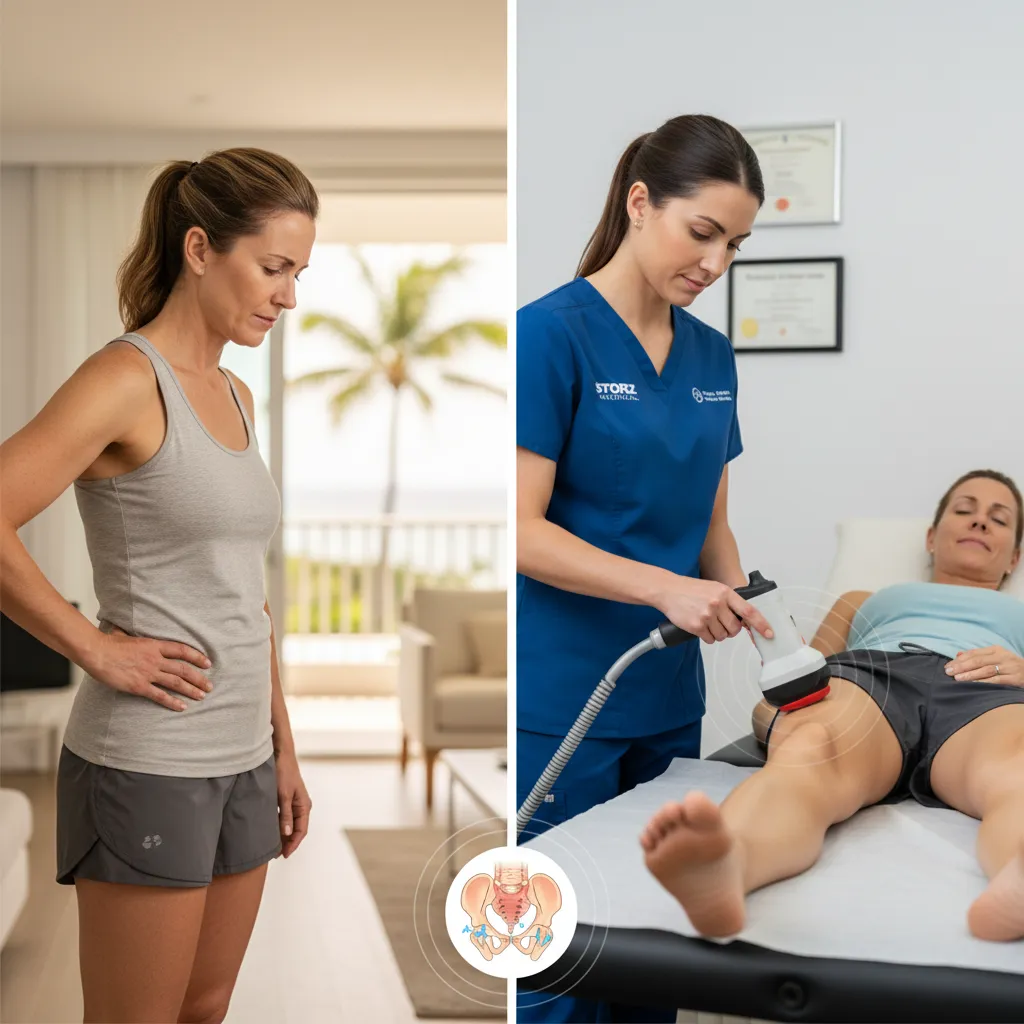
Unlocking Relief: Understanding Hip Pain and the Potential of Shockwave Therapy in Stuart, FL
Unlocking Relief: Understanding Hip Pain and the Potential of Shockwave Therapy in Stuart, FL
Hip pain can be a persistent and frustrating companion, turning everyday movements into uncomfortable challenges. Whether it's a dull ache after a long walk or a sharp throb that interferes with sleep, discomfort in your hip can significantly impact your quality of life. Many in Stuart, FL, and surrounding areas often wonder if their hip pain is something they just have to live with. However, understanding the nature of hip pain and exploring modern, non-invasive treatments like shockwave therapy can open doors to significant relief and improved well-being.
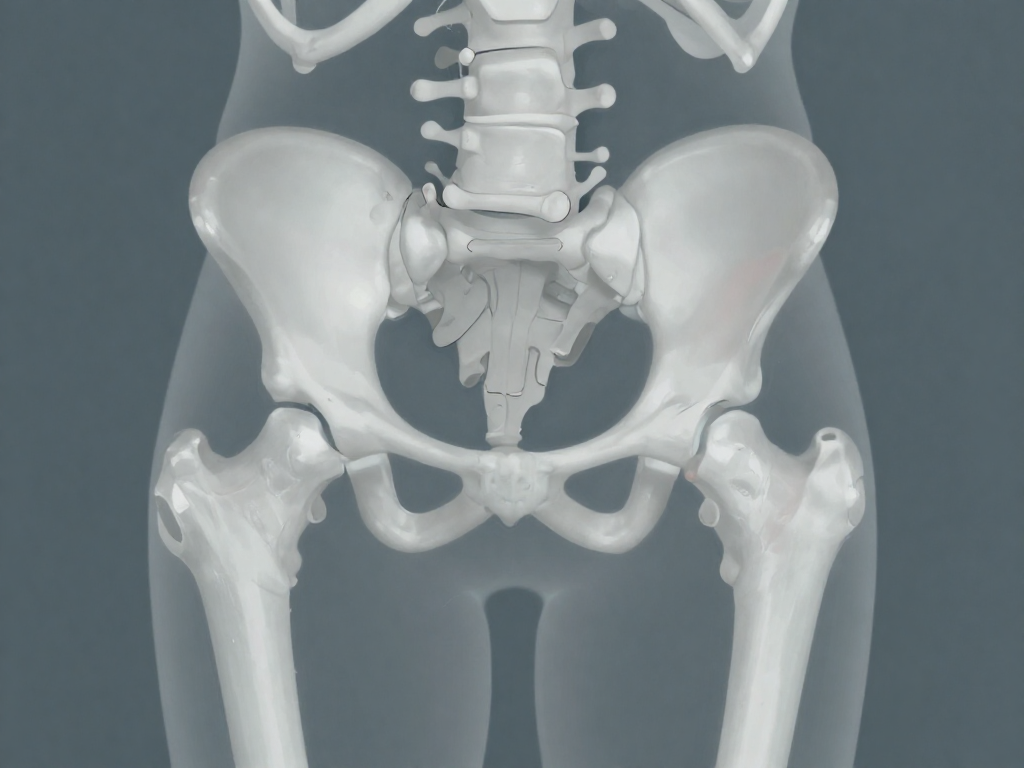
Hip pain often originates from the soft tissues around the hip joint, such as tendons and muscles, rather than the joint itself. Conditions like greater trochanteric pain syndrome, tendinopathies, and bursitis are common culprits, leading to discomfort that can range from mild to severe.
Is hip pain always a sign of arthritis? (Myth vs. Fact)
Many people assume that hip pain automatically means arthritis, especially as they get older. While arthritis can certainly be a cause, it’s far from the only one.
Myth: All hip pain means you have arthritis.
Fact: Hip pain can stem from various sources beyond arthritis.
It’s a common misconception that hip pain is always linked to "bone-on-bone" issues. In reality, a significant portion of hip discomfort originates in the surrounding soft tissues, such as tendons, ligaments, and muscles. Conditions like tendinopathy, where the tendons connecting muscles to bones become irritated or damaged, are frequently overlooked contributors to persistent hip pain. For instance, problems with the gluteal tendons (which attach to the greater trochanter, the bony prominence on your outer hip) can cause considerable pain that often mimics joint issues.
The gluteal tendons are crucial for hip stability and movement, and when they are overused, strained, or endure repetitive stress, they can develop microtears and inflammation. This condition, known as gluteal tendinopathy or greater trochanteric pain syndrome, often causes pain on the outer side of the hip that can radiate down the thigh. It's often worse with activities like walking, standing, or lying on the affected side. Recognizing that not all hip pain is arthritis can help individuals seek more targeted and effective treatments. (Source:Mayo Clinic)
Can hip pain resolve on its own? (Myth vs. Fact)
Many hope that if they ignore hip pain, it will simply disappear. While minor aches can sometimes fade, persistent pain often requires attention.
Myth: If I rest, my hip pain will eventually go away on its own.
Fact: Persistent hip pain often indicates an underlying issue that benefits from targeted intervention.
While some acute muscle strains might improve with rest, chronic hip pain, especially that related to tendinopathies or persistent inflammation, rarely resolves completely without addressing the underlying cause. In fact, prolonged rest without appropriate rehabilitation can sometimes lead to muscle weakening and stiffness, potentially worsening the problem in the long run. The body is designed for movement, and a lack of controlled, supportive movement can hinder healing.
Ignoring persistent pain can also lead to compensatory movements, where other parts of your body, such as your back or knee, take on extra strain to alleviate the load on your hip. This can then create new areas of pain and dysfunction, complicating your overall condition. Early and appropriate intervention is often key to preventing minor issues from becoming chronic, debilitating problems. For example, conditions like greater trochanteric pain syndrome, if left unaddressed, can become significantly more challenging to manage over time. (Source:NIH National Institute of Arthritis and Musculoskeletal and Skin Diseases (NIAMS))
Is surgery the only option for chronic hip pain? (Myth vs. Fact)
When conservative treatments don't seem to work, some might jump to the conclusion that surgery is the only path to relief. However, many non-invasive options exist.
Myth: If my hip pain is chronic, I'll likely need surgery.
Fact: Many effective, non-invasive treatments are available for chronic hip pain, including advanced therapies like shockwave therapy.
The idea that chronic pain inevitably leads to surgery can be daunting, but it's often not the case, especially for soft tissue-related hip pain. Many individuals can find significant relief and improved function through a range of conservative treatments. These often include physical therapy, targeted exercises, and lifestyle modifications. However, when these traditional approaches fall short, more advanced non-invasive options can be explored before considering surgical intervention.
One such promising treatment is Extracorporeal Shockwave Therapy (ESWT), often simply called shockwave therapy. This therapy involves delivering acoustic waves to the affected area, stimulating healing processes within tendons and other soft tissues. It's a non-surgical approach that can significantly reduce pain and improve mobility, making it a valuable option for chronic conditions like gluteal tendinopathy and other forms of hip pain. The goal is always to explore the least invasive yet most effective treatments first, helping patients avoid surgery whenever possible.
How Does Shockwave Therapy Work for Hip Pain?
Shockwave therapy is a non-invasive treatment that has gained recognition for its effectiveness in addressing chronic musculoskeletal conditions, including certain types of hip pain. The technology works by generating high-energy acoustic waves that are delivered to the affected area of the body.
Here's a closer look at how it helps:
Stimulates Healing: The shockwaves stimulate the body's natural healing mechanisms. This includes promoting the formation of new blood vessels (angiogenesis) in the injured tissue, which improves blood supply and nutrient delivery to the area, accelerating recovery.
Breaks Down Calcifications: In some cases, chronic tendinopathies can lead to calcifications (hardened deposits) within the tendons. Shockwave therapy can help break down these calcifications, allowing the body to reabsorb them and reduce irritation.
Reduces Pain: By creating microtrauma at the cellular level, shockwave therapy can disrupt pain signals and stimulate nerve regeneration, leading to a significant reduction in pain perception. It can also release trigger points in muscles, further alleviating discomfort.
Restores Mobility: As pain decreases and healing progresses, patients often experience improved range of motion and overall function in the hip joint.
Shockwave therapy is particularly effective for conditions like greater trochanteric pain syndrome and various tendinopathies around the hip, where chronic inflammation and tissue degeneration are present. It's a safe and well-tolerated procedure, typically performed in-office, with many patients experiencing improvement after a few sessions. (Source:National Library of Medicine - Shockwave Therapy for Tendinopathies)
How Do I Know If This Is My Issue? (Recognizing Hip Pain)
Understanding your symptoms is the first step toward finding relief. Hip pain can manifest in various ways, and knowing what to look for can help you communicate effectively with healthcare professionals. This section offers general symptom-based guidance, clarifying what hip pain might feel like without offering a self-diagnosis.
Common descriptions of hip pain often include:
Pain on the outer hip or buttock: This is a hallmark symptom of conditions affecting the gluteal tendons and bursae (like greater trochanteric pain syndrome). The pain might be sharp initially and then develop into a dull ache.
Pain that worsens with activity: Walking, running, standing for long periods, or climbing stairs can aggravate the pain.
Pain when lying on the affected side: Many individuals with outer hip pain find it difficult or impossible to sleep on the side experiencing discomfort.
Stiffness or reduced range of motion: You might notice difficulty moving your leg in certain directions, or a feeling of stiffness in the hip area, especially after periods of inactivity.
Clicking or snapping sensation: While not always painful, a clicking or snapping sensation around the hip can sometimes indicate issues with tendons or muscles.
Pain that radiates: The pain might not stay confined to the hip itself but could travel down the outside of your thigh.
It's important to pay attention to when your pain occurs, what activities aggravate it, and what, if anything, provides temporary relief. Keeping a mental note of these details can be very helpful when discussing your symptoms with a healthcare provider.
What Typically Helps (and What Doesn't)
When dealing with hip pain, many people try various approaches to find relief. It's helpful to understand what generally works and what might be less effective for common types of hip pain, especially those related to soft tissues.
What often helps:
Rest and Activity Modification: Giving the irritated tissues a break from aggravating activities is crucial. This doesn't necessarily mean complete immobilization, but rather adjusting your movements to avoid positions or activities that intensify the pain.
Targeted Exercises: Specific exercises designed to strengthen the muscles around the hip and improve flexibility can be highly beneficial. These might include exercises for the glutes, core, and hip flexors. A healthcare professional can guide you on appropriate exercises.
Heat or Cold Therapy: Applying ice packs to an acutely inflamed area can help reduce swelling and pain, while heat therapy might help relax tight muscles and improve blood flow. Experiment to see what works best for you.
Supportive Footwear: Wearing shoes that provide good support and cushioning can help reduce the impact on your hips during walking and daily activities.
Patience and Consistency: Healing takes time. Consistent application of recommended strategies is often key to long-term improvement.
What often doesn't help (or might even worsen the issue):
Pushing Through Pain: Ignoring pain signals and continuing with activities that aggravate the hip can lead to further inflammation and prolong the healing process.
Prolonged Inactivity: While rest is important, complete inactivity for extended periods can lead to muscle weakness and stiffness, making the hip even more susceptible to pain when activity resumes.
Generic Stretches: While flexibility is good, indiscriminate stretching without understanding the cause of your hip pain could potentially worsen certain conditions. For instance, some stretches might irritate already sensitive tendons.
Reliance on Over-the-Counter Pain Relievers Alone: While these can offer temporary symptomatic relief, they typically don't address the underlying cause of the pain and shouldn't be the sole approach to managing chronic hip issues.
Our Personalized Approach at Coastal Medical and Wellness Center, Stuart FL
At Coastal Medical and Wellness Center, serving Stuart, FL, and the surrounding Treasure Coast area, we believe that effective healthcare begins with a deep understanding of you. We recognize that every individual's experience with hip pain is unique, and therefore, a one-size-fits-all treatment approach simply won't suffice. Our commitment is to provide personalized care plans tailored to your specific needs, aiming for genuine, lasting improvement.
When you visit us, your journey begins with a thorough evaluation. We take the time to listen to your story, understand your symptoms, and assess your physical condition. This comprehensive approach allows us to pinpoint the likely cause of your hip pain, whether it's related to tendinopathy, bursitis, or other soft tissue issues.
Our customized treatment plans may integrate various evidence-based modalities, designed to work synergistically to alleviate your discomfort and restore function. For many individuals experiencing chronic hip pain, especially those involving tendons or other soft tissues,shockwave therapy has proven to be a highly effective, non-invasive option. This advanced therapy encourages your body's natural healing processes, reduces pain, and improves mobility, often without the need for medications or more invasive procedures.
We combine cutting-edge treatments with a truly patient-centered philosophy, aiming for that "Disney-Wow" level of customer service. From your first call to your follow-up appointments, you'll experience a supportive and professional environment where your well-being is our top priority. We focus on educating you about your condition and empowering you to take an active role in your recovery. Our goal is not just to treat your symptoms, but to help you regain your quality of life, allowing you to enjoy all that the Stuart, FL area has to offer, pain-free.
When to Seek Urgent Care
While many forms of hip pain can be managed with conservative treatments, certain symptoms warrant immediate medical attention. It's crucial to be aware of these warning signs to ensure your safety and address potentially serious underlying conditions.
Seek urgent medical care or go to the emergency room if you experience any of the following with your hip pain:
Sudden, severe hip pain that occurs after a fall or injury.
Inability to bear weight on the affected leg.
Deformity around the hip joint.
Fever, chills, or redness and warmth around the hip joint, which could indicate an infection.
Sudden onset of hip pain accompanied by loss of bladder or bowel control(saddle anesthesia).
Currently undergoing cancer treatment and develop new or worsening hip pain.
Severe shortness of breath along with hip pain.
These symptoms could indicate a fracture, severe infection, or other critical medical conditions that require prompt evaluation and intervention. When in doubt, it’s always best to err on the side of caution and seek immediate professional medical advice.
Frequently Asked Questions About Hip Pain and Shockwave Therapy
What causes hip pain?
Hip pain can be caused by various factors, including issues with muscles, tendons, ligaments, and bursae around the hip joint. Common culprits are tendinopathies (like gluteal tendinopathy), bursitis, and muscle strains.
Is shockwave therapy painful?
During a shockwave therapy session, you might experience some discomfort or a mild sensation, which is usually well-tolerated. The intensity can be adjusted, and any discomfort typically subsides quickly after the treatment.
How many shockwave therapy sessions are needed for hip pain?
The number of shockwave therapy sessions varies depending on the individual's condition and response to treatment. Typically, a course of 3 to 5 sessions is recommended, usually spaced about a week apart, but your healthcare provider will create a personalized plan.
How long does it take to recover from hip pain with shockwave therapy?
While some patients experience immediate relief, the full benefits of shockwave therapy usually become apparent over several weeks to a few months as the body's natural healing processes are stimulated. Consistency with any recommended exercises is also key to recovery.
Is shockwave therapy safe?
Yes, shockwave therapy is considered a safe and non-invasive treatment for many musculoskeletal conditions. It has a low risk of side effects, which are generally mild and temporary, such as temporary redness or swelling at the treatment site.
Can shockwave therapy help with chronic hip pain?
Shockwave therapy is particularly effective for chronic hip pain, especially conditions like greater trochanteric pain syndrome and various tendinopathies that have not responded to other conservative treatments. It helps stimulate healing in these persistent conditions.
Conclusion
Living with hip pain doesn't have to be your norm. Understanding the diverse causes of hip discomfort and exploring advanced, non-invasive treatments like shockwave therapy can be a transformative step toward regaining your mobility and quality of life. At Coastal Medical and Wellness Center in Stuart, FL, we are dedicated to providing personalized care that addresses the root cause of your pain, empowering you to move forward with confidence. If you're struggling with hip pain and seeking a path to lasting relief, we invite you to reach out.
Call 772-286-5277 to schedule a consult or visit.
References
Mayo Clinic — Hip pain: Causes
https://www.mayoclinic.org/symptoms/hip-pain/basics/causes/sym-20050847National Institute of Arthritis and Musculoskeletal and Skin Diseases (NIAMS) — Hip Pain
https://www.niams.nih.gov/health-topics/hip-painPubMed / National Library of Medicine — Systematic reviews and clinical evidence on extracorporeal shockwave therapy (example review)
https://pubmed.ncbi.nlm.nih.gov/27040854/Cleveland Clinic — Hip Pain Overview
https://my.clevelandclinic.org/health/diseases/21693-hip-painAmerican Academy of Orthopaedic Surgeons (AAOS) — Trochanteric bursitis and gluteal tendinopathy overview
https://orthoinfo.aaos.org/en/diseases--conditions/greater-trochanteric-pain-syndrome
Medical Disclaimer: This blog post is intended for informational purposes only and does not constitute medical advice. It is not a substitute for professional medical advice, diagnosis, or treatment. Always seek the advice of your physician or other qualified health provider with any questions you may have regarding a medical condition. Never disregard professional medical advice or delay in seeking it because of something you have read here.
