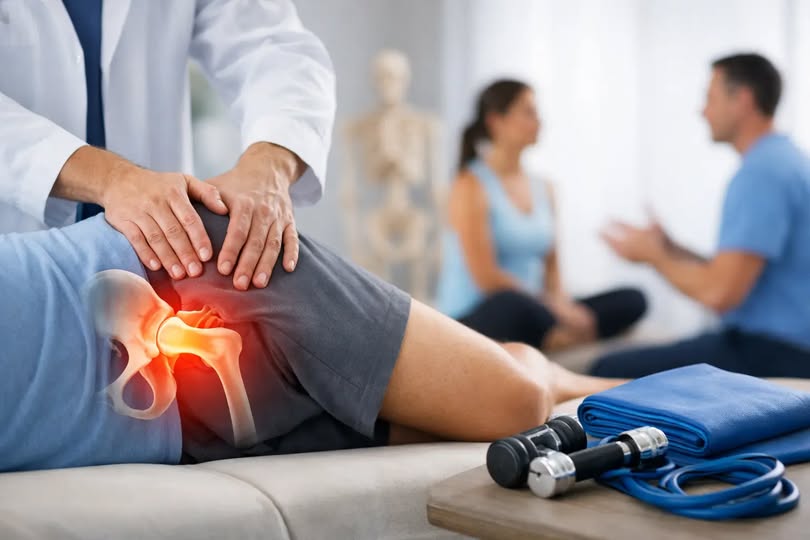
Hip Pain Treatment Without Surgery Options
When hip pain starts changing the way you walk, sleep, or get through a workday, it stops feeling like a minor issue fast. For many people, the first real question is whether there is effective hip pain treatment without surgery - and in many cases, the answer is yes.
The hip is a strong joint, but it also takes a constant load. It absorbs impact when you walk, helps stabilize your pelvis and spine, and compensates when something else in the body is off. That is why hip pain is not always just a hip problem. Sometimes the joint is irritated. Sometimes the muscles around it are tight or weak. Sometimes the lower back, pelvis, posture, or gait is creating stress that keeps the pain going.
That bigger picture matters because the right treatment depends on the real cause. A person with hip bursitis needs a different approach than someone with arthritis, a labral irritation, sciatica, or pain coming from poor mechanics after an injury. If you only chase the symptom, relief tends to be temporary. If you identify what is driving it, non-surgical care often becomes much more effective.
When hip pain treatment without surgery makes sense
Not every case of hip pain needs an operation. In fact, many common hip conditions respond well to conservative care, especially when they are addressed early. Muscle strain, tendon irritation, bursitis, mild to moderate arthritis, movement-related inflammation, and referred pain from the low back often improve with a structured plan that reduces stress on the joint while restoring mobility and strength.
This is also why a wait-and-hope approach can backfire. The longer pain changes the way you move, the more compensation patterns build up. You may start limping, loading one side more than the other, or avoiding normal activity. Over time, that can create added tension in the low back, knee, or opposite hip.
Of course, there are times when surgery may be necessary. A severe fracture, advanced joint damage, or a major structural tear can change the conversation. But many patients are not at that point. They simply want to know what can help now, before pain becomes something bigger.
The most effective non-surgical options
Good hip care is rarely one-size-fits-all. The best plans combine pain relief with correction of the stress patterns that caused the issue in the first place.
Targeted movement and rehabilitation
One of the most useful treatments for hip pain is guided rehab. That does not mean random stretches pulled from the internet. It means selecting movements based on what your body is actually doing.
Some patients need more mobility in the hip flexors, glutes, or deep rotators. Others need stability, especially if the pelvis and core are not supporting the joint well. In many cases, both are true. A tight hip with weak surrounding muscles can feel stiff, unstable, and painful all at once.
The goal is to improve function without aggravating the joint. Done well, rehab can reduce inflammation, improve range of motion, support balance, and make walking, standing, and bending feel more natural again.
Chiropractic care and joint mechanics
If hip pain is being influenced by pelvic imbalance, spinal misalignment, or faulty movement mechanics,chiropractic care may help reduce stress across the area. This is especially relevant when the pain is not isolated to the hip and seems connected to the lower back, sacroiliac joint, or overall posture.
Restoring healthier motion in the spine and pelvis can change how force travels into the hip every time you take a step. For some patients, that leads to less pinching, less tension, and better movement with everyday activities. The key is a personalized approach rather than forcing the same adjustment strategy on everyone.
Soft tissue and inflammation-focused therapies
When surrounding muscles and connective tissues are inflamed or overloaded, hands-on care and tissue-focused treatment can make a real difference. Tight muscles in the glutes, hip flexors, piriformis, and upper thigh can all contribute to pain around the hip joint.
Reducing tension in those tissues often improves movement and decreases the guarding response that keeps pain cycling. This can be especially helpful for people who feel stiff after sitting, sore with walking, or limited when getting up from a chair.
Shockwave therapy for stubborn hip pain
For chronic tendon-related pain or soft tissue irritation that has not fully responded to rest and exercise,shockwave therapy may be worth considering. This treatment is often used to stimulate healing in tissues that have become slow to recover.
It is not the right fit for every diagnosis, but in the right case, it can help reduce pain and improve healing without injections or surgery. Patients dealing with long-standing inflammation near the hip often benefit most when shockwave therapy is paired with movement correction and strengthening rather than used by itself.
Weight management and load reduction
This part is often overlooked, but it matters. The hip is a weight-bearing joint. Even modest changes in body weight can reduce daily stress across the joint and surrounding tissues.
That does not mean every hip problem is caused by weight. It does mean that if the hip is already irritated, extra load can make it harder to calm down. A realistic weight loss plan, combined with treatment and movement support, may improve comfort and mobility more than people expect.
Why diagnosis comes first
A major reason some people struggle with hip pain for months is that they are treating the wrong source. Pain on the outside of the hip may be bursitis, but it may also be referred pain. Groin pain may suggest joint involvement, but not always. Pain that shoots into the hip can come from the lower back or irritated nerves.
That is why a thoughtful exam matters. Where the pain is located, what movements trigger it, how long it has been present, whether there is numbness or weakness, and how you move all help shape the plan. Imaging may be useful in some cases, but movement patterns and symptom behavior often reveal just as much.
At Coastal Medical & Wellness, that root-cause mindset is central to how non-surgical pain care should work. The goal is not just to quiet symptoms for a few days. It is to understand why the hip is under stress and create a plan that helps the body heal while improving the way it functions.
What to expect from a personalized treatment plan
The best hip pain treatment without surgery usually happens in phases. Early care focuses on reducing irritation and making daily movement easier. That may involve activity modification, chiropractic care, soft tissue work, or other therapies that calm the area down.
Once pain starts improving, the next phase is rebuilding. This is where strength, flexibility, balance, and movement control become essential. If this step gets skipped, the pain often returns because the original weakness or compensation is still there.
Long-term success usually depends on consistency more than intensity. Most people do not need extreme workouts or prolonged rest. They need a plan they can actually follow, with the right level of treatment and progression for their condition.
Signs you should not ignore
Even if you want to avoid surgery, some symptoms deserve prompt medical attention. Sudden inability to bear weight, major swelling after a fall, fever with hip pain, significant weakness, or loss of bladder or bowel control should never be brushed off.
There is also a middle category of patients who are not in an emergency but should stop self-treating. If the pain has lasted for weeks, keeps waking you up, limits walking, or is spreading into the back or leg, it is time for a proper evaluation. The earlier the cause is identified, the better the chance of avoiding more invasive care later.
Relief is possible without rushing to surgery
Surgery has a place, but it should not be treated as the automatic next step for every painful hip. Many people improve with a smart, conservative plan that addresses inflammation, mechanics, strength, and whole-body function together.
If your hip has been asking you to slow down, change how you move, or give up activities you enjoy, that is not something you have to simply accept. The right non-surgical care can help you move with more confidence, less pain, and a better chance of staying active for the long run.
