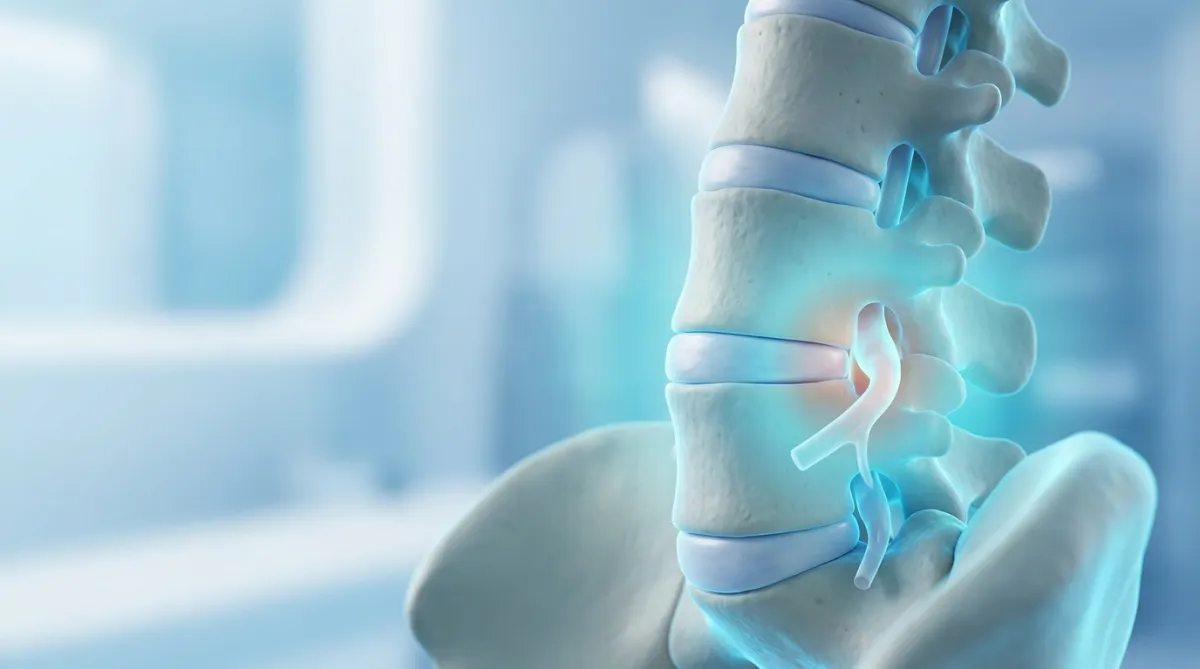
How Spinal Decompression Reduces Disc Pressure
That sharp pain when you stand up from a chair, the ache that runs down your leg, the stiffness that makes turning your head harder than it should be - these symptoms often point back to one problem: too much pressure on a spinal disc. Understanding how spinal decompression reduces disc pressure can make it easier to see why this treatment helps many people with back pain, neck pain, and nerve-related symptoms find relief without surgery.
Spinal discs act like cushions between the bones of the spine. They help absorb force, support movement, and keep space open where nerves travel. When a disc is overloaded, injured, or degenerating, it can start to bulge, herniate, or lose height. That change can increase pressure inside the disc and around nearby nerves, which is often when pain, numbness, tingling, or weakness begin.
What disc pressure really means
A healthy disc handles compression all day long. Walking, lifting, sitting, bending, and even poor posture all place force through the spine. Normally, the disc adapts well. Problems start when the load becomes too great, too repetitive, or poorly distributed.
Inside each disc is a softer center surrounded by tougher outer fibers. When pressure rises beyond what the disc can manage, the outer layers may weaken and the inner material can shift outward. In some cases, that creates a bulge. In others, it leads to a herniation. Even before a disc problem becomes severe, excess pressure can irritate nearby structures and reduce normal movement.
For many patients, this pressure does not stay localized. A compressed or inflamed disc can narrow the space around a spinal nerve, which may cause symptoms into the shoulder, arm, hip, or leg. That is why a disc issue in the low back can feel like sciatica, and why a disc issue in the neck may create pain or tingling down the arm.
How spinal decompression reduces disc pressure
Spinal decompression is a non-surgical treatment designed to gently stretch the spine in a controlled way. The goal is not force. The goal is precision. By carefully changing the angle and amount of traction, decompression can create negative pressure within the disc.
That pressure change matters. When the disc is under constant compression, it has less room to recover. When decompression reduces disc pressure, it can help relieve some of the mechanical stress pushing on the disc and nearby nerves. In the right patient, that may allow the bulging or herniated material to move away from irritated nerve tissue, or at least reduce the force contributing to pain.
This process may also improve fluid movement into the disc. Discs do not have a strong direct blood supply like other tissues. They rely heavily on movement and pressure changes to exchange nutrients and remove waste. A decompression session alternates between gentle stretch and relaxation, which may support that exchange. Better hydration and nutrient flow can help the disc environment become more favorable for healing.
That does not mean spinal decompression instantly fixes every disc condition. Healing still takes time, and results depend on the severity of the problem, how long it has been present, and what else is contributing to the pain. But reducing disc pressure often creates the conditions the body needs to calm inflammation and function better.
Why less pressure can mean less pain
Pain from a disc problem is not always just about structure. It is often a mix of compression, inflammation, muscle guarding, and altered movement. When a disc is under too much pressure, surrounding muscles may tighten to protect the area. The joints can become stiff. Nerves can become more sensitive. Over time, even basic movements can start to feel threatening.
By lowering pressure at the disc level, decompression may reduce one of the main drivers behind that cycle. Less irritation around the disc can mean less nerve sensitivity. Less nerve irritation can mean fewer radiating symptoms. As the body starts to feel safer moving again, muscle tension may ease and mobility can improve.
This is one reason decompression is often part of a broader care plan rather than a standalone answer. If the disc pressure improves but the patient keeps moving, sitting, lifting, or sleeping in ways that keep overloading the spine, progress may be slower. The best results usually come when decompression is paired with a plan that addresses posture, spinal mechanics, inflammation, and daily habits.
Conditions that may respond well to decompression
Spinal decompression is commonly used for disc-related problems in the neck and low back. That includes disc bulges,disc herniations,degenerative disc changes, sciatica, and some forms of nerve compression. It may also help patients with chronic spinal stiffness that has not improved with rest alone.
Still, not every case is the same. Some people with mild disc issues respond quickly. Others with more advanced degeneration may still improve, but more gradually. There are also cases where decompression is not appropriate, such as certain fractures, severe instability, some postsurgical situations, or conditions that require a different level of medical management.
That is why a careful evaluation matters. Before recommending decompression, a provider should look at symptoms, health history, exam findings, and when needed, imaging. The right treatment starts with the right diagnosis.
What a treatment plan usually looks like
A typical decompression session is comfortable and controlled. The patient is positioned on a specialized table while the system applies targeted traction to a specific area of the spine. The treatment is gradual, not abrupt, and most people tolerate it well. Some even find it relaxing.
Relief can happen early, but long-term improvement usually comes through a series of visits. That is because the goal is not just temporary symptom reduction. The goal is to repeatedly reduce stress on the disc so irritation can settle and healing can progress over time.
At Coastal Medical & Wellness, this kind of care fits best when it is personalized. A patient recovering from a car accident may need a different pace than someone dealing with years of wear and tear in the low back. Someone with radiating leg pain may also need chiropractic care, mobility work, or therapies that support tissue recovery and nerve function. Individualized care tends to be more effective because spinal pain rarely comes from one factor alone.
What spinal decompression can and cannot do
Spinal decompression can be very helpful, but it should be presented honestly. It is not a miracle procedure, and it is not the right answer for every person with back or neck pain. If pain is being driven more by severe arthritis, instability, fracture, infection, or a non-musculoskeletal issue, decompression may not be the best fit.
It is also not a substitute for strength, movement, and lifestyle changes. If the spine has been under stress for years, the tissues around it need support. That may include improving core stability, adjusting workstation setup, changing lifting mechanics, managing body weight, or reducing inflammation through better health habits.
What decompression can do is create a valuable window of relief and healing potential. For many patients, that window is the difference between feeling stuck and finally making progress.
Signs you may need an evaluation
If you have persistent back pain, neck pain, numbness, tingling, pain that travels into an arm or leg, or symptoms that worsen with sitting, bending, or standing for long periods, a disc issue may be part of the picture. Pain that comes and goes can still be worth evaluating, especially if it is affecting sleep, work, exercise, or daily function.
The longer nerve irritation continues, the more frustrating recovery can become. Getting checked early does not always mean intensive treatment. Sometimes it means catching a manageable problem before it turns into a more limiting one.
A good next step is not guessing whether you need surgery or trying to push through the pain. A good next step is finding out what is actually causing the pressure in the first place. When the cause becomes clearer, the path to relief usually does too.
If your spine has been asking for help for a while, listening now can save you from a longer recovery later. The right treatment should do more than mask pain. It should help your body move toward healing again.
