Is Spinal Decompression Safe? What to Know
A sharp pain down the leg, numbness in the foot, or a low back that will not let you stand comfortably can make almost any treatment sound appealing. But the right question is not simply whether relief is possible. Is spinal decompression safe for your specific condition, health history, and goals?
For many people with certain disc-related back or neck problems, non-surgical spinal decompression can be a gentle, well-tolerated option when it is recommended after a proper evaluation. It is not right for everyone, and it should never replace an accurate diagnosis. Safety comes from matching the treatment to the patient - not applying the same plan to every painful back.
What non-surgical spinal decompression actually does
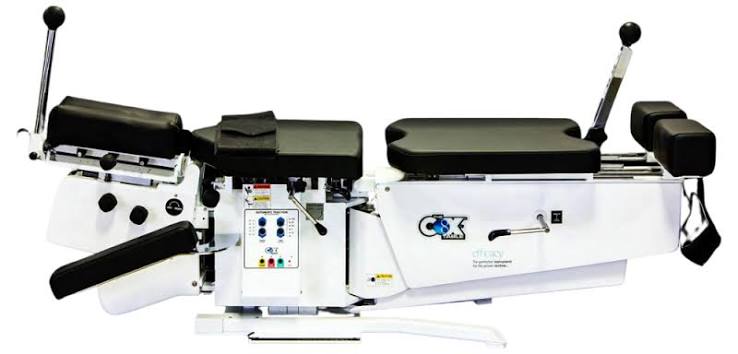
Non-surgical spinal decompression uses a computerized traction table to apply controlled, gradual stretching to the spine. Depending on the area being treated, you may lie comfortably on your back or stomach while a harness supports the pelvis or upper body.
The goal is to create changes in pressure within the spinal discs. This may help reduce irritation around a bulging o rherniated disc, support fluid and nutrient movement in the disc, and ease pressure affecting nearby nerves. For someone dealing with sciatica, radiating leg pain, recurring disc pain, or certain forms of neck pain, that reduction in pressure can support improved comfort and movement.
This is different from surgical spinal decompression. Surgery may involve removing or altering tissue to relieve pressure on nerves and is reserved for specific diagnoses and more serious situations. Non-surgical decompression is a conservative, office-based treatment that does not involve incisions, anesthesia, or recovery from an operation.
Is spinal decompression safe for back and neck pain?
When a qualified provider screens for contraindications and uses appropriate settings, non-surgical spinal decompression is generally considered a low-risk treatment for appropriate candidates. Most patients describe a mild pulling or stretching sensation during care, not pain. Sessions are often adjusted to the person's comfort, symptoms, body size, and the area of the spine being treated.
That said, safe does not mean risk-free or universally effective. Some people may feel temporary soreness, stiffness, or a mild increase in symptoms after a session, particularly when their back is already highly sensitive. A treatment plan should be modified if symptoms worsen, new pain develops, or the body is not responding as expected.
The bigger issue is diagnosis. Back pain can come from discs, joints, muscles, nerves, inflammatory conditions, fractures, and other causes. Decompression may be helpful for one source of pain and inappropriate for another. A thoughtful exam helps separate these possibilities before treatment begins.
Safety depends on the right candidate
Patients with disc bulges or herniations, degenerative disc changes, sciatica, and some chronic neck or low back conditions may be candidates for non-surgical decompression. It can be especially appealing to people who want to explore a drug-free, non-surgical path before considering more invasive options.
However, a good candidate is more than a diagnosis on paper. Your provider should consider your symptoms, imaging when needed, strength and reflex changes, prior injuries, bone health, surgical history, medications, and day-to-day activity demands. A working professional who needs to sit comfortably through the day may have different treatment priorities than an active retiree hoping to get back to golf or walking on the beach.
When spinal decompression may not be appropriate
Certain conditions can make spinal decompression unsafe or require medical clearance and a different approach. These may include spinal fracture, severe osteoporosis, spinal instability, active infection, some cancers involving the spine, a recent spinal surgery, or certain implanted devices. Pregnancy, severe vascular conditions, and some advanced neurologic problems also require individualized consideration.
A provider may recommend another form of care if your pain is primarily caused by a condition that traction is not designed to address. The goal is not to force decompression into the plan. The goal is to find the cause and choose the safest path toward better function.
Red flags that need prompt medical attention
Some symptoms call for urgent medical assessment rather than routine decompression or chiropractic care. Seek prompt medical attention for new loss of bowel or bladder control, numbness in the groin or inner thighs, sudden or progressive leg weakness, severe pain after a significant fall or accident, fever with severe back pain, or unexplained weight loss combined with persistent pain.
These signs can point to conditions that need immediate medical evaluation. They do not automatically mean something serious is happening, but they should not be ignored or treated as ordinary back pain.
What a safe treatment plan should include
Spinal decompression works best as part of a personalized plan, not as a stand-alone promise. The first visit should begin with a conversation about your symptoms: where pain starts, whether it travels, what makes it worse, what has already been tried, and how it affects sleep, work, exercise, and daily life.
A proper evaluation may include range-of-motion testing, orthopedic and neurologic screening, and a review of existing imaging or referrals for imaging when clinically appropriate. From there, a provider can determine whether decompression fits the picture or whether another treatment should come first.
At Coastal Medical & Wellness, care is built around this root-cause approach. Decompression may be paired with chiropractic care, therapeutic strategies, movement guidance, or other supportive services when those options match the patient’s needs. The plan should evolve as symptoms and function change.
A safe plan also sets realistic expectations. Some people notice improvement early, while chronic conditions often require consistent care over several weeks. Pain relief is valuable, but the longer-term objective is to improve movement, confidence, and the ability to return to meaningful activities without relying solely on medication.
What treatment feels like and what to expect afterward
During a typical decompression session, you remain clothed and are secured with comfortable supports. The table delivers a gradual cycle of pulling and relaxation based on your care plan. You should be able to communicate throughout the session. If the pressure feels painful, sharp, or alarming, tell the provider immediately so it can be adjusted or stopped.
Afterward, many people can return to normal light activity. Your provider may advise you to drink water, avoid heavy lifting for a period of time, or follow specific movement recommendations. This depends on the condition being treated and how your body responds.
Do not judge the treatment only by how you feel an hour later. Pay attention to practical changes over time: Are you sleeping with less interruption? Can you stand longer? Is leg pain traveling less often? Are you moving with more confidence? Those are meaningful signs that help guide the next step in care.
Questions worth asking before you begin
Before starting spinal decompression, ask what diagnosis or clinical findings support the recommendation, what alternatives are available, and what results are realistic in your case. You should also ask how progress will be measured and what symptoms should prompt you to call the office or seek medical care.
A trustworthy provider welcomes these questions. Personalized care means you understand why a treatment is being recommended and have a voice in the plan.
Back and neck pain can make life feel smaller than it should. The safest next step is not guessing from an advertisement or trying to push through worsening symptoms. It is getting a clear evaluation, understanding your options, and choosing care that respects both your condition and your long-term health.
