Knee Pain in Stuart, FL: Is It Arthritis, a Meniscus Tear, or Referred Pain?
Knee Pain in Stuart, FL: Is It Arthritis, a Meniscus Tear, or Referred Pain?
If your knee hurts, your first thought is usually simple: “Something must be wrong with my knee.”
Sometimes that is true. Sometimes it is not.
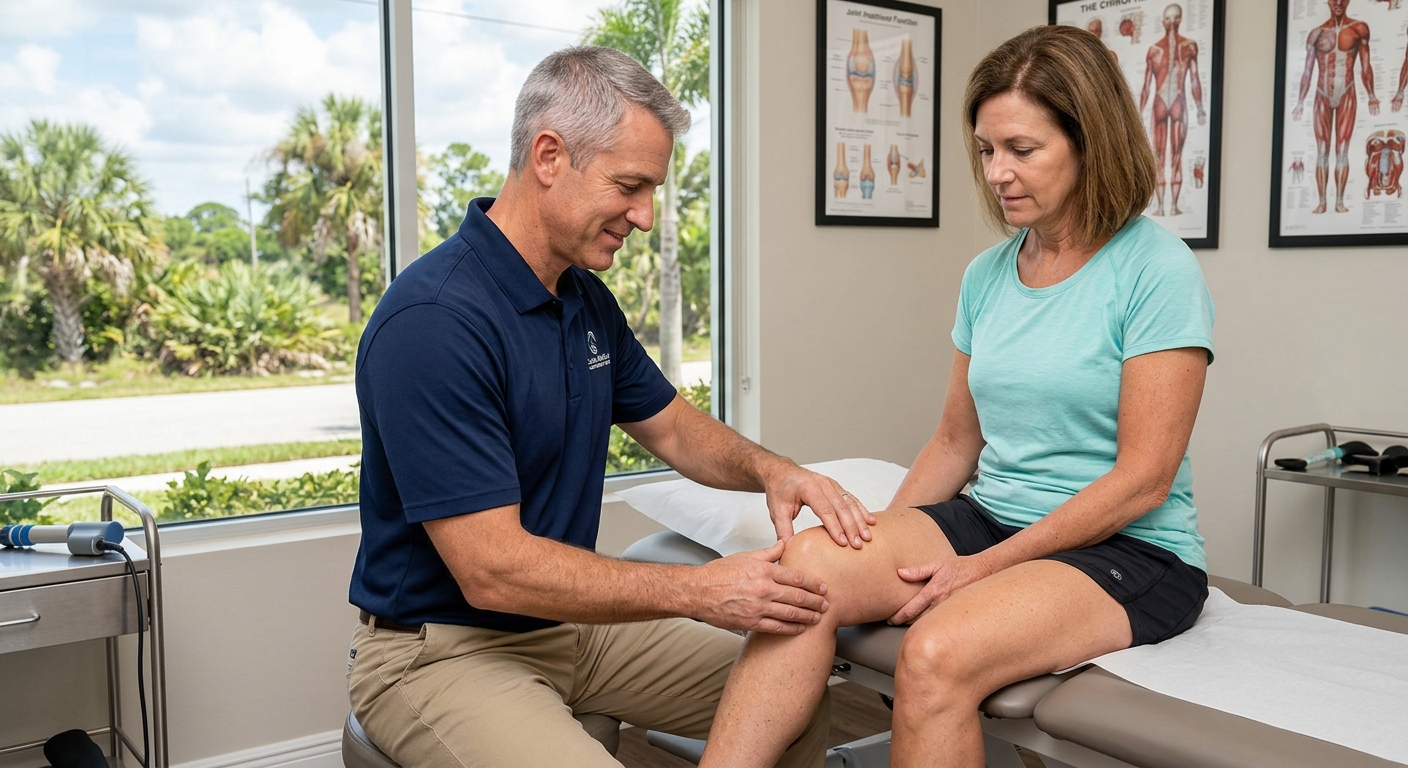
Knee pain can come from arthritis, meniscus problems, tendon irritation, or referred pain from the hip or low back, according to overviews from the American Academy of Orthopaedic Surgeons, Mayo Clinic, and Cleveland Clinic. The right next step is not guessing. It is getting a thoughtful evaluation that matches the symptoms, movement patterns, and history behind the pain.
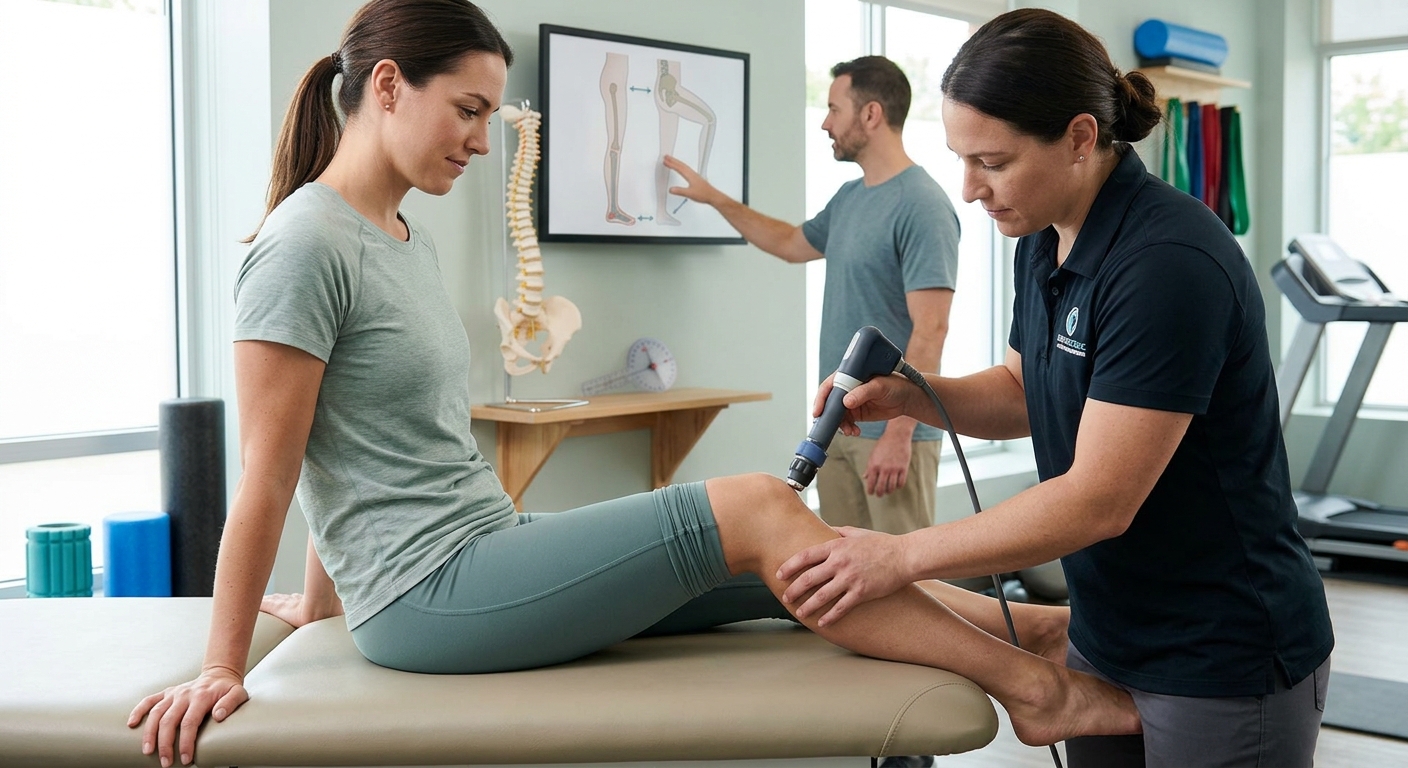
At Coastal Medical and Wellness Center, we take a personalized, evidence-informed approach. That may include chiropractic adjustments, spinal manipulation, movement-based recommendations, and in some cases shockwave therapy, depending on what the exam suggests and whether it fits the person in front of us.
Why does knee pain get misread so often?
Because the knee sits in the middle of everything.
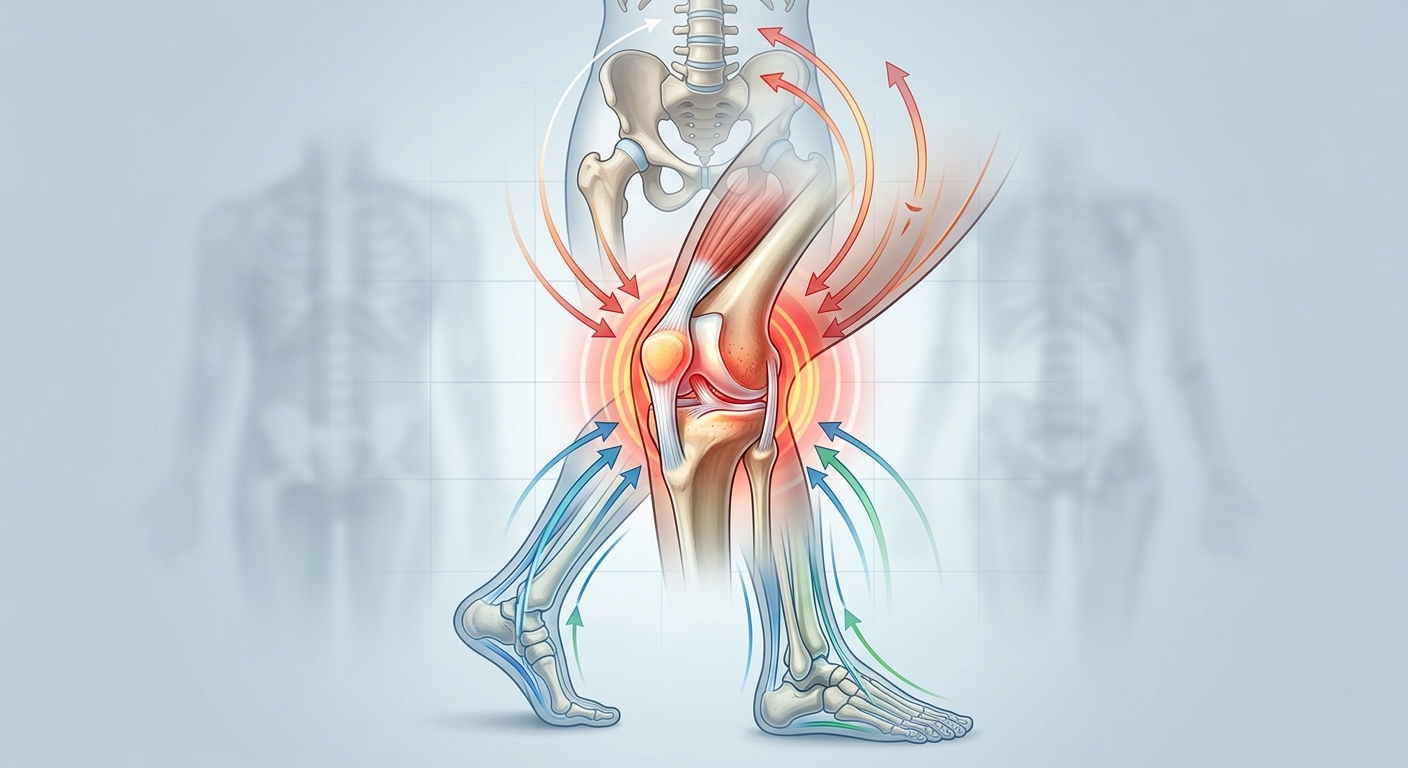
It absorbs force from walking, standing, stairs, workouts, and daily life. It is also influenced by what the foot, hip, pelvis, and low back are doing. A knee can hurt because of local tissue irritation, but it can also hurt because it is compensating for poor mechanics somewhere else, which is consistent with the way musculoskeletal clinicians describe knee pain patterns in resources from the Mayo Clinic and Cleveland Clinic.
That is one reason major medical organizations emphasize a good history and physical exam as part of knee pain assessment and care planning. Helpful overviews from trusted sources include the AAOS, Mayo Clinic, and Cleveland Clinic.
Myth vs. Fact: “If my knee hurts, the problem must be arthritis.”
Fact: Arthritis is common, but it is only one possible cause.
Arthritis-related knee pain often develops gradually. Many people describe:
stiffness after sitting
pain with walking or stairs
swelling that comes and goes
discomfort that is worse after activity and sometimes better with gentle movement
But not every stiff or sore knee is arthritis. Knee pain can also come from:
meniscus irritation
tendon overload
patellofemoral pain
muscle imbalance
altered walking mechanics
referred pain from the hip or low back
According to the CDC, osteoarthritis is one of the most common forms of arthritis and can affect mobility and daily function, especially with age. The NIAMS also notes that osteoarthritis commonly affects joints used for weight-bearing and movement. Still, symptoms overlap with other conditions, which is why self-diagnosis is often inaccurate.
Myth vs. Fact: “A sharp catch or twist means I definitely tore my meniscus.”
Fact: A meniscus issue is possible, but catching pain is not exclusive to the meniscus.
The meniscus is a piece of cartilage that helps cushion and stabilize the knee. Meniscus-related pain is often associated with:
twisting
pivoting
squatting
getting up from a low chair
a sense of catching, locking, or deep joint-line discomfort
The AAOS explains that meniscus injuries often happen with twisting motions, especially when the knee is bent and bearing weight. However, similar symptoms can also show up with irritation around the kneecap, swelling inside the joint, or movement dysfunction that overloads the knee in a certain range.
Research and clinical guidelines increasingly support matching treatment to symptoms and function rather than assuming every cartilage-related complaint needs the same path. For broader evidence-based guidance on knee and osteoarthritis care, see the NIAMS and AAOS.
Myth vs. Fact: “If my knee pain is real, it should stay in one exact spot.”
Fact: Knee pain can be referred from the hip, low back, or surrounding soft tissues.
Referred pain is one of the most confusing parts of musculoskeletal care.
You may feel pain around the front, inside, or back of the knee, but the actual driver may involve:
hip mobility restrictions
altered gait
lower back dysfunction
glute weakness
nerve-related irritation
For example, hip problems can create pain that travels toward the thigh or knee. Low back issues can change the way you move, load, and stabilize the leg. The Cleveland Clinic and Mayo Clinic both note that knee pain can have sources beyond the joint itself.
In these cases, treating only the sore area may miss the bigger pattern. This is part of why a movement-focused exam matters. The goal is to understand not just where it hurts, but why that area is being stressed.
How do I know if this might be my issue?
You cannot confirm a diagnosis on symptoms alone, but certain patterns can be useful.
Common patterns that may suggest arthritis-like knee pain
gradual onset
morning stiffness or stiffness after rest
pain with longer walks or stairs
swelling that feels activity-related
crunching or grinding sensations with movement
Common patterns that may suggest a meniscus-related problem
pain after twisting or pivoting
discomfort with squatting
catching or a blocked feeling
pain more localized to the inside or outside of the knee
swelling after a flare-up
Common patterns that may suggest referred pain
knee pain with little or no clear knee injury
pain that changes with posture or back movement
pain that travels from the hip, thigh, or low back
symptoms that do not fully match what the knee is doing
repeated knee flares despite rest focused only on the knee
Other symptoms worth paying attention to
whether the knee feels unstable
whether stairs are worse than flat walking
whether sitting for long periods makes it ache
whether one side of the body feels tighter or weaker
The takeaway: symptom patterns can guide the conversation, but they do not replace an evaluation.
What typically helps knee pain, and what usually does not?
What often helps
Activity modification, not complete shutdown
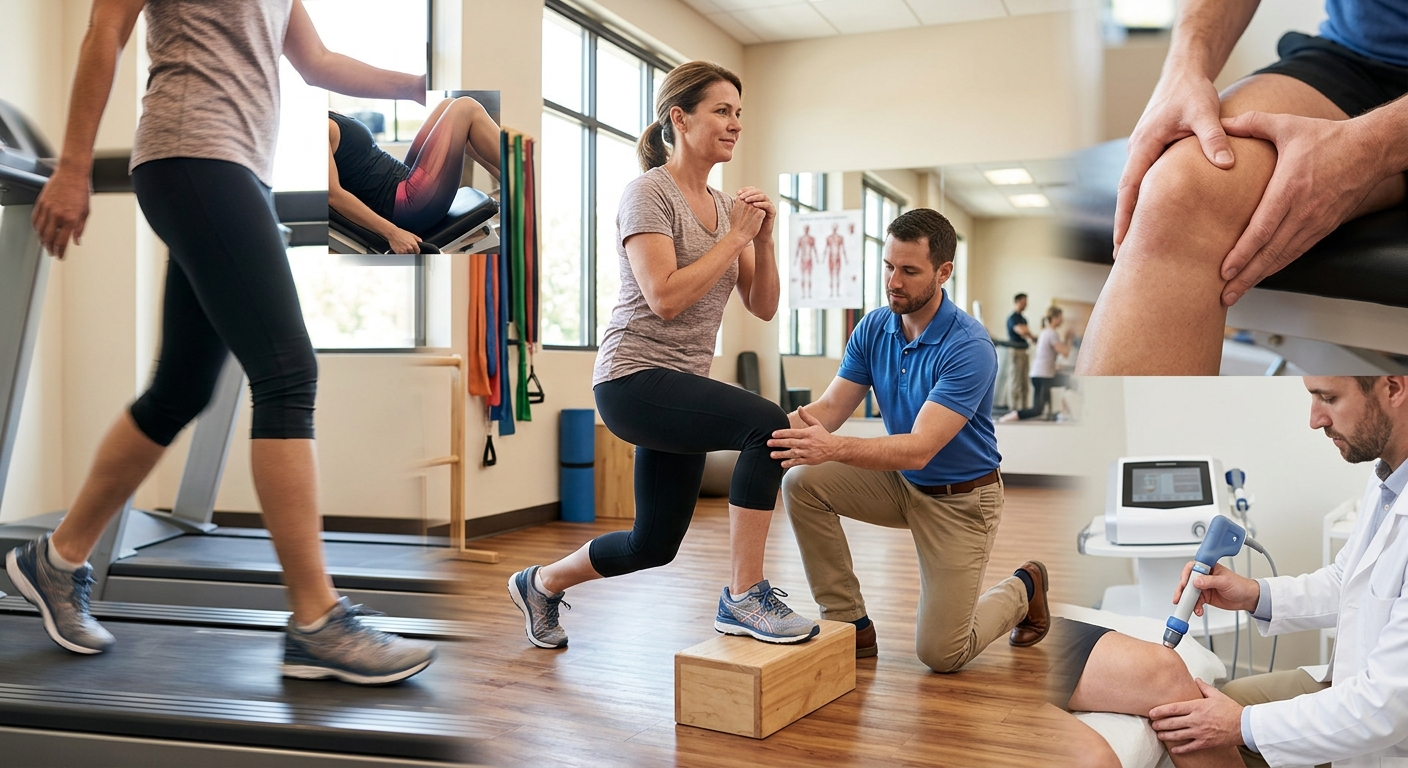
In many cases, reducing aggravating movements for a short period helps more than stopping all movement.Gentle mobility and controlled strength work
The knee often benefits when the hips, glutes, and surrounding tissues move and support load better.Better movement mechanics
Walking, stair use, exercise form, and posture can all change how force travels through the knee.Hands-on care when appropriate
Some patients respond well to chiropractic care, spinal manipulation, soft tissue strategies, and mobility-focused care when a biomechanical problem is contributing.Shockwave therapy in select cases
Extracorporeal shockwave therapy, or shockwave therapy, is sometimes used in musculoskeletal care for certain soft tissue complaints. A growing body of research suggests it may be helpful in selected conditions involving chronic tendon and connective tissue irritation, though it is not a one-size-fits-all solution. You can explore peer-reviewed research through PubMed.
What usually does not help
pushing through sharp pain repeatedly
assuming all knee pain is “just aging”
only treating the painful spot without looking at hip, back, foot, and gait mechanics
starting random online exercises without knowing what is being aggravated
waiting too long when symptoms are worsening or limiting daily life
What is our personalized approach at Coastal Medical and Wellness Center in Stuart, FL?
We start with listening.
That sounds simple, but it matters. People often come in after trying to “be careful” for weeks or months without real clarity. Our job is to understand:
what your pain feels like
what triggers it
what eases it
how you move
what daily activities are being limited
From there, a customized care plan may include:
chiropractic adjustments or spinal manipulation when joint mechanics suggest they may help
movement recommendations tailored to your tolerance and goals
hands-on care to address surrounding restrictions
shockwave therapy when the presentation fits and the goal is to support soft tissue recovery
guidance on pacing activity, walking, work demands, and exercise progression
Just as important, we focus on making the experience feel clear and supportive. Our team takes pride in a personalized, high-touch experience that patients often describe as “Disney-Wow” service: thoughtful communication, respect for your time, and care plans that feel individualized rather than generic.
When is knee pain an urgent issue?
Most knee pain is not an emergency, but some symptoms should not wait.
Seek urgent medical care right away if you have:
a hot, swollen joint with fever
inability to bear weight after significant trauma
major deformity
rapidly worsening swelling
chest pain or severe shortness of breath
signs of stroke
loss of bladder or bowel control
saddle anesthesia
severe back pain with fever
you are currently undergoing cancer treatment and have new severe pain or neurologic symptoms
These warning signs can point to conditions that need immediate medical attention.
Can chiropractic care or shockwave therapy help knee pain?
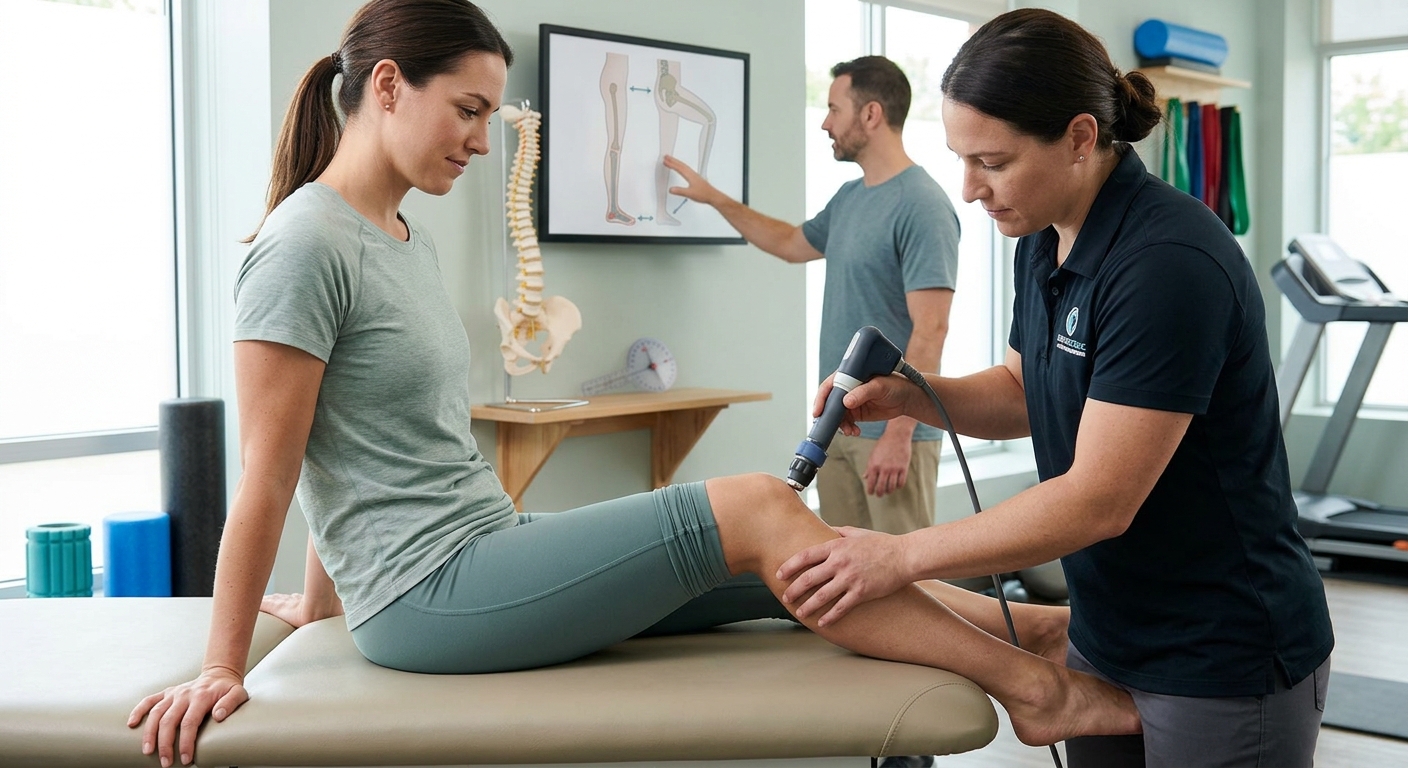
Sometimes, yes, but it depends on the reason for the pain.
If knee pain is being driven or amplified by mechanics involving the ankle, hip, pelvis, or low back, chiropractic care may play a role by addressing joint motion, movement quality, and compensatory patterns.
If the pain appears related to certain chronic soft tissue stress patterns, shockwave therapy may be part of a broader care plan.
The key is fit. We do not assume every knee problem needs the same treatment. We look at whether the symptoms and exam findings support those options.
Related reading on our blog
If this topic sounds familiar, these related posts may also be helpful:
How to Tell What’s Really Going On: Hip Pain in Stuart, FL—Bursitis, Labral Tear, or Referred Back Pain?
Sciatica vs. Piriformis Syndrome: How to Tell the Difference (and What Treatments Actually Help)
Breaking Free from the Chronic Pain Cycle: Your Path to Lasting Relief with Total Motion Release (TMR)
FAQ: Voice-search friendly answers about knee pain
What is the most common cause of knee pain?
Common causes include arthritis, overuse, tendon irritation, patellofemoral pain, meniscus-related problems, and referred pain from the hip or low back. The most likely cause depends on age, activity, symptom pattern, and movement findings.
How do I know if my knee pain is arthritis or a meniscus problem?
Arthritis often feels gradual and stiff, especially after rest. Meniscus-related pain is more likely to involve twisting pain, squatting discomfort, or catching sensations. There is overlap, so an exam is often needed.
Can hip problems cause knee pain?
Yes. Hip dysfunction can change the way force moves through the leg and sometimes create pain felt at the knee. This is one reason knee-only treatment is not always enough.
Can a chiropractor help with knee pain?
A Chiropractor may help when knee pain is related to joint mechanics, gait changes, hip or low back dysfunction, or movement restrictions. Care should be based on the person’s symptoms and exam findings, not a generic protocol.
Does shockwave therapy work for knee pain?
Shockwave therapy may be considered for some soft tissue-related musculoskeletal conditions. It is not right for every type of knee pain, but in selected cases it can be part of a personalized plan.
When should I get checked for knee pain?
You should consider an evaluation if knee pain is persistent, worsening, affecting walking or stairs, recurring with activity, or limiting your work, workouts, or sleep.
What should I avoid if my knee hurts?
Avoid repeatedly pushing through sharp pain, making sudden increases in activity, or assuming rest alone will solve a mechanical problem. It is usually better to match activity and treatment to the actual pattern behind the pain.
Final thoughts
Knee pain is common, but that does not make it simple.
What feels like “just knee pain” could be arthritis, a meniscus-related issue, soft tissue overload, or referred pain from somewhere else. The more accurate question is not just, “Where does it hurt?” but, “What is driving the stress on this area?”
At Coastal Medical and Wellness Center in Stuart, FL, we focus on clear answers, individualized care, and a patient experience that feels thoughtful from the first visit forward. If you live in Stuart or the surrounding areas and want help making sense of knee pain, we are here to talk it through.
Call 772-286-5277 to schedule a consult or visit.
Medical disclaimer: This article is for informational purposes only and is not medical advice. It is not intended to diagnose, treat, or replace individualized care from a qualified healthcare professional. If you have urgent symptoms or concerns, seek immediate medical attention.
References
American Academy of Orthopaedic Surgeons (AAOS) – Knee Pain
https://orthoinfo.aaos.org/en/diseases--conditions/knee-pain/Mayo Clinic – Knee Pain: Symptoms and Causes
https://www.mayoclinic.org/symptoms/knee-pain/basics/definition/sym-20050688Cleveland Clinic – Knee Pain
https://my.clevelandclinic.org/health/symptoms/17832-knee-painCenters for Disease Control and Prevention (CDC) – Arthritis Basics
https://www.cdc.gov/arthritis/basics/index.htmlNational Institute of Arthritis and Musculoskeletal and Skin Diseases (NIAMS) – Osteoarthritis
https://www.niams.nih.gov/health-topics/osteoarthritisPubMed – Research on Shockwave Therapy and Musculoskeletal Conditions
https://pubmed.ncbi.nlm.nih.gov/
