Lower Back Pain Relief in Stuart, FL: Can Shockwave Therapy Help?
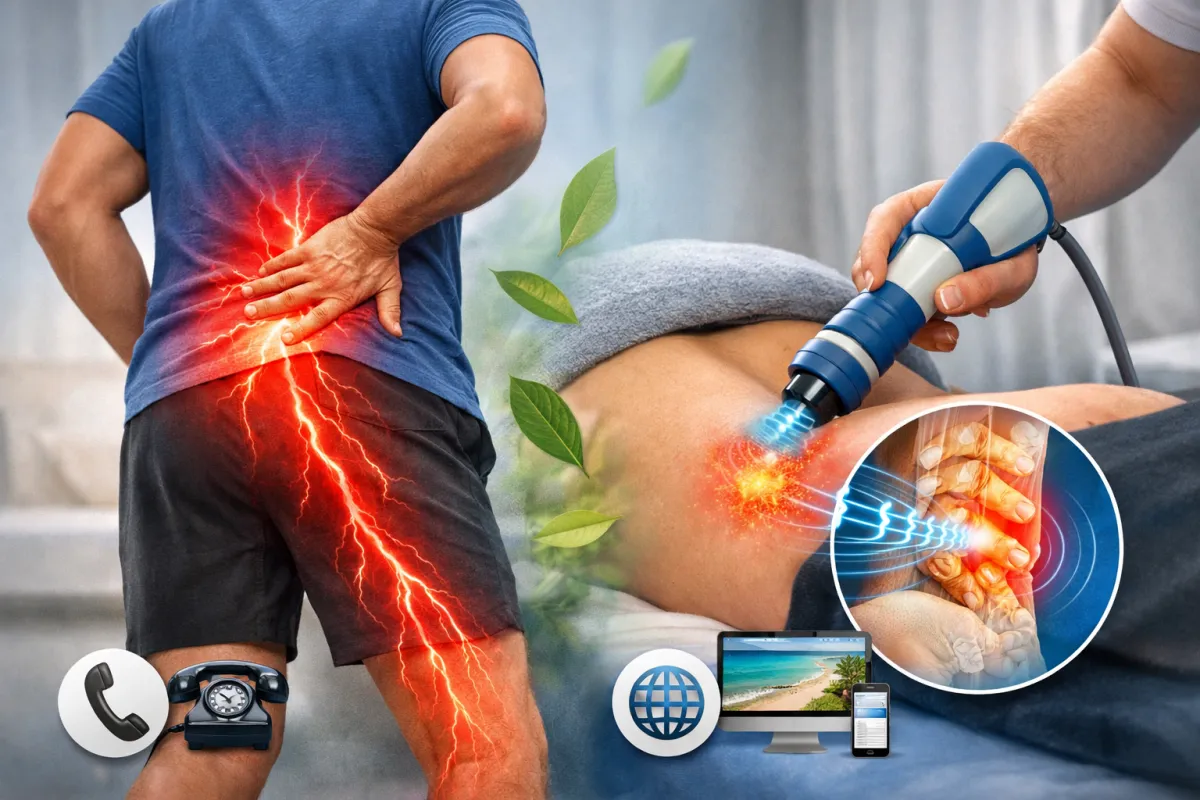
Living with lower back pain can make everyday life harder than it should be. Sitting, standing, bending, sleeping, and even walking may start to feel uncomfortable. If you have been looking for lower back pain relief in Stuart, FL, you may be wondering whether shockwave therapy could help.
The short answer is: in some cases, it may be worth discussing. Shockwave therapy is not a cure-all, and it is not right for every type of back pain. But for certain soft tissue, tendon, and muscle-related pain patterns, it may help reduce discomfort and support healing when other conservative options have not been enough.
In this article, we will explain what shockwave therapy is, how it may help with lower back pain, what it feels like, and when it may or may not be the right choice.
What is shockwave therapy, and how does it work?
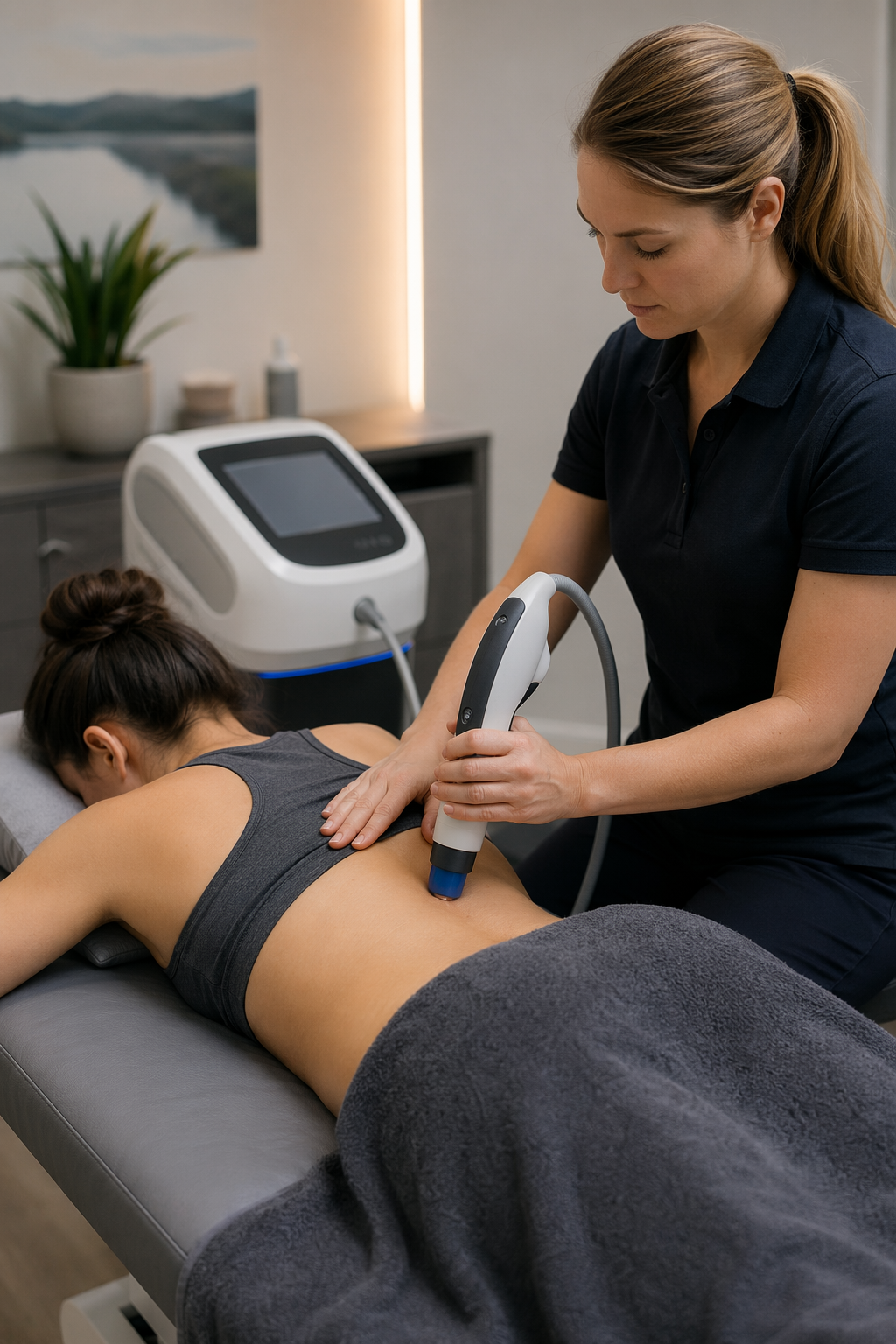
Shockwave therapy is a non-invasive treatment that uses high-energy sound waves directed at a specific area of the body. In a clinical setting, these sound waves are used to stimulate circulation, encourage tissue repair, and help the body’s natural healing response.
For lower back pain, shockwave therapy is usually considered when pain may be related to irritated soft tissues, muscle tightness, tendon issues, or chronic inflammation. It is not typically used to “fix” structural spine problems such as every disc issue or nerve compression pattern. That is why proper evaluation matters.
Some people choose shockwave therapy because it may help with pain that has lasted longer than expected or has not improved much with rest, stretching, medication, or basic home care. Results can vary depending on the cause of the pain, how long it has been present, and the person’s overall health.
If you want to learn more about the treatment itself, you can also review the clinic’s shockwave therapy page.
What are the most common reasons people consider shockwave therapy?
People often look into shockwave therapy when lower back pain seems to involve stubborn soft tissue irritation or slow healing. Some common contributing factors may include:
Repetitive strain from work, sports, or daily movement
Chronic inflammation in surrounding muscles or connective tissue
Poor tissue healing after an old injury
Overuse from lifting, twisting, or prolonged activity
Foot mechanics or movement patterns that place stress on the back
Posture habits that increase strain over time
Previous injury that never fully improved
Long-standing tendon or muscle irritation
Lower back pain can also be complicated by disc bulges, herniations, sciatica, or osteoarthritis. In those cases, shockwave therapy may or may not be helpful depending on the main pain generator. That is why the best approach is often to look at the whole picture rather than assuming one treatment fits everyone.
Shockwave therapy for lower back pain: what kinds of pain may it help?
This is a common question, and it matters because “lower back pain” is a broad term. Some back pain is primarily muscular. Some is related to irritated joints. Some involves nerve symptoms. Some comes from a mix of several factors.
Shockwave therapy may sometimes be used for pain patterns that involve:
tight or irritated muscles
tendon and ligament discomfort
trigger point-related pain
chronic soft tissue strain
pain that has not improved with conservative care
It may be less helpful when pain is primarily caused by acute injury, infection, fracture, severe nerve compression, or another condition that needs different medical care. That is why a careful assessment is important before treatment begins.
For people in Stuart, FL and surrounding Treasure Coast communities, this often means discussing symptoms in detail rather than focusing only on where the pain is located.
Myth vs. Fact about shockwave therapy
Myth 1: Shockwave therapy fixes every type of back pain.
Fact: It may help certain soft tissue pain patterns, but it is not a universal solution for all causes of lower back pain.
Myth 2: If pain is coming from the lower back, shockwave therapy automatically makes sense.
Fact: Back pain can come from many sources, including discs, nerves, joints, muscles, and posture-related strain. The right treatment depends on the cause.
Myth 3: Shockwave therapy is only for athletes.
Fact: It is used by a wide range of adults, including people with chronic pain, overuse injuries, and persistent soft tissue discomfort.
Myth 4: Results should happen immediately.
Fact: Some people notice changes early, but others improve gradually over multiple sessions. Results can vary.
Myth 5: If one treatment did not help, nothing will.
Fact: Sometimes the issue is not that treatment failed, but that the underlying cause was not fully identified. A better diagnosis can lead to a better plan.
How do I know if shockwave therapy may be right for me?
You may want to ask a provider about shockwave therapy if:
your lower back pain has lasted for weeks or months
the pain keeps returning
you feel stiff or tight in the same area repeatedly
pain is affecting sleep, work, or daily movement
you have tried basic measures without much success
your symptoms seem related to muscle or tendon irritation
you want to explore a non-invasive option before more aggressive care
That said, lower back pain can look different from person to person. Some people feel dull aching. Others feel sharp pain with movement. Some notice pain that travels into the hip or leg. Because symptom overlap is common, a professional evaluation is important before deciding whether shockwave therapy is appropriate.
What may help, and what may not?
There is no single fix for all lower back pain. A practical, individualized plan is usually more helpful than a generic checklist.
What may help:
Appropriate rest without becoming completely inactive
Guided movement to avoid stiffness
Physical therapy or supervised rehab when appropriate
Stretching or strengthening exercises tailored to the cause of pain
Supportive footwear if movement patterns are contributing
Hydration and general recovery support
Managing activity levels so symptoms do not keep flaring
Follow-up evaluation if pain is not improving
Individualized treatment planning based on the likely root cause
What may not help:
ignoring symptoms and hoping they disappear
overdoing exercise when the body is still irritated
trying one-size-fits-all internet advice
relying only on pain relief methods without addressing the underlying issue
Shockwave therapy may fit into a broader care plan, but it should not be viewed as the only option or the answer for every patient.
For more background on the treatment, you may also find the clinic’s shockwave therapy service page helpful.
What does a typical shockwave therapy visit look like?
A typical visit usually begins with a review of your symptoms, history, and the area that is bothering you. The provider may ask when the pain started, what makes it worse, and whether you have noticed symptoms such as numbness, tingling, weakness, or pain that travels into the leg.
During treatment:
a handheld device is placed over the affected area
sound waves are delivered to the tissue
the sensation may feel like tapping, pulsing, or pressure
the session may last only a short time, depending on the area and plan
Some people feel mild discomfort during treatment, especially if the area is sensitive. Temporary soreness, redness, or tenderness afterward can happen. Many people are able to return to normal activities soon after, though they may be advised to avoid very intense activity for a short period.
Because every case is different, the treatment plan may vary based on the type of pain and how your body responds.
When should someone seek urgent medical care?
Lower back pain is common, but some symptoms need immediate evaluation.
Seek urgent medical care or call 911 right away if you have:
sudden, severe back pain after an injury or fall
new weakness in the legs
numbness in the groin or loss of bladder or bowel control
fever with back pain
unexplained weight loss with worsening pain
severe pain that is rapidly getting worse
chest pain, trouble breathing, or other emergency symptoms
If pain is severe, new, or worsening, do not wait for a routine visit.
Reliable sources to learn more
If you want to read more from trusted medical organizations, these resources may help:
FAQ Section
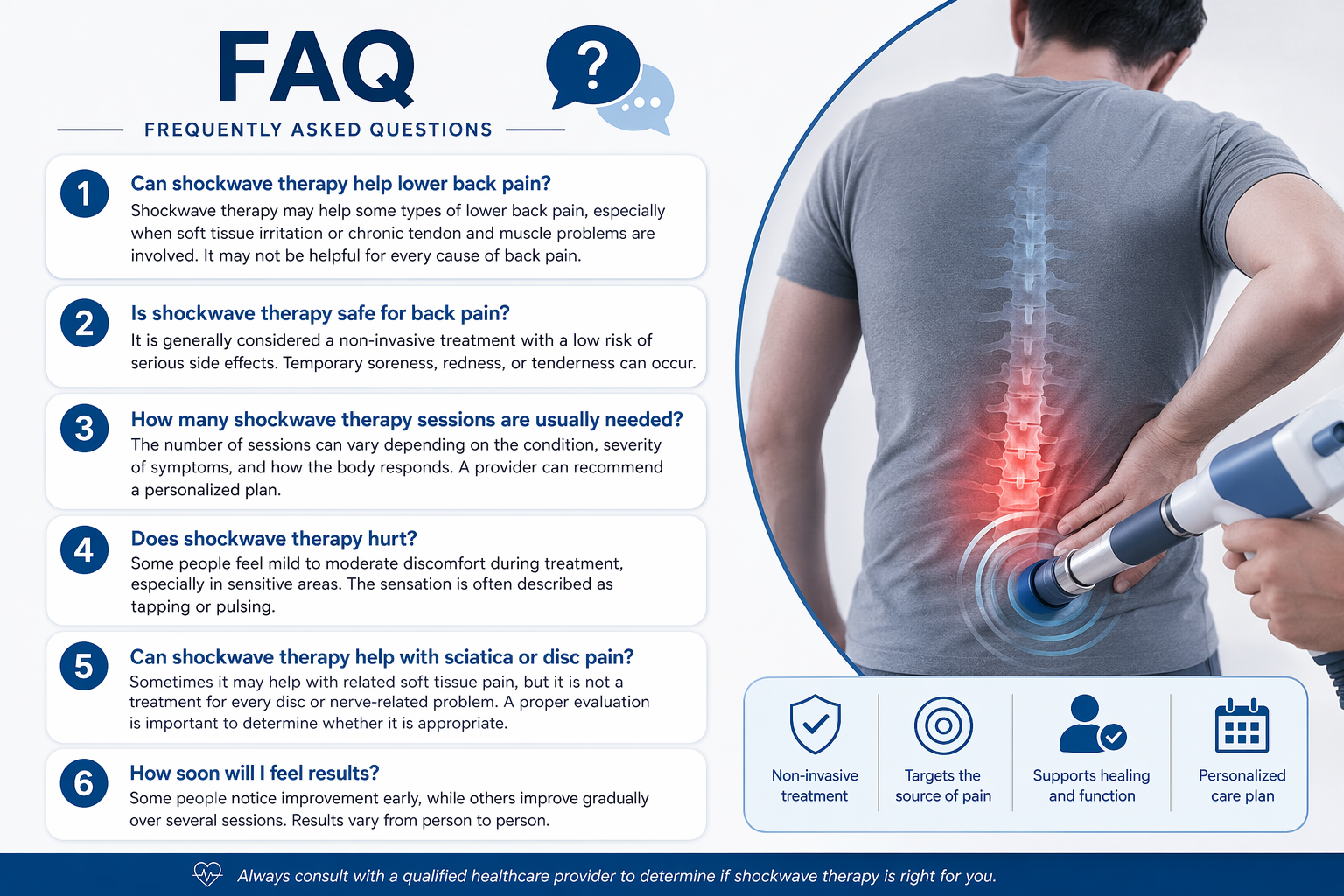
1. Can shockwave therapy help lower back pain?
Shockwave therapy may help some types of lower back pain, especially when soft tissue irritation or chronic tendon and muscle problems are involved. It may not be helpful for every cause of back pain.
2. Is shockwave therapy safe for back pain?
It is generally considered a non-invasive treatment with a low risk of serious side effects. Temporary soreness, redness, or tenderness can occur.
3. How many shockwave therapy sessions are usually needed?
The number of sessions can vary depending on the condition, severity of symptoms, and how the body responds. A provider can recommend a personalized plan.
4. Does shockwave therapy hurt?
Some people feel mild to moderate discomfort during treatment, especially in sensitive areas. The sensation is often described as tapping or pulsing.
5. Can shockwave therapy help with sciatica or disc pain?
Sometimes it may help with related soft tissue pain, but it is not a treatment for every disc or nerve-related problem. A proper evaluation is important to determine whether it is appropriate.
6. How soon will I feel results?
Some people notice improvement early, while others improve gradually over several sessions. Results vary from person to person.
Conclusion
If you are searching for lower back pain relief in Stuart, FL, shockwave therapy may be one option worth exploring, especially when pain seems related to chronic soft tissue irritation or slow healing. It is not right for every case, but for the right patient, it may be a helpful part of a broader treatment plan.
At Coastal Medical & Wellness Center in Stuart, FL 34997, the goal is to help patients better understand what may be driving their pain and what options may be appropriate. If your lower back pain has been lingering or keeps coming back, it may be time for a more careful evaluation.
To learn more or ask whether shockwave therapy may be appropriate for your situation, call (772) 286-5277.
Brief Medical Disclaimer
This article is for educational purposes only and is not medical advice. It is not a substitute for an in-person evaluation, diagnosis, or treatment plan from a qualified healthcare provider. If your symptoms are severe, sudden, worsening, or concerning, seek urgent medical care immediately.
