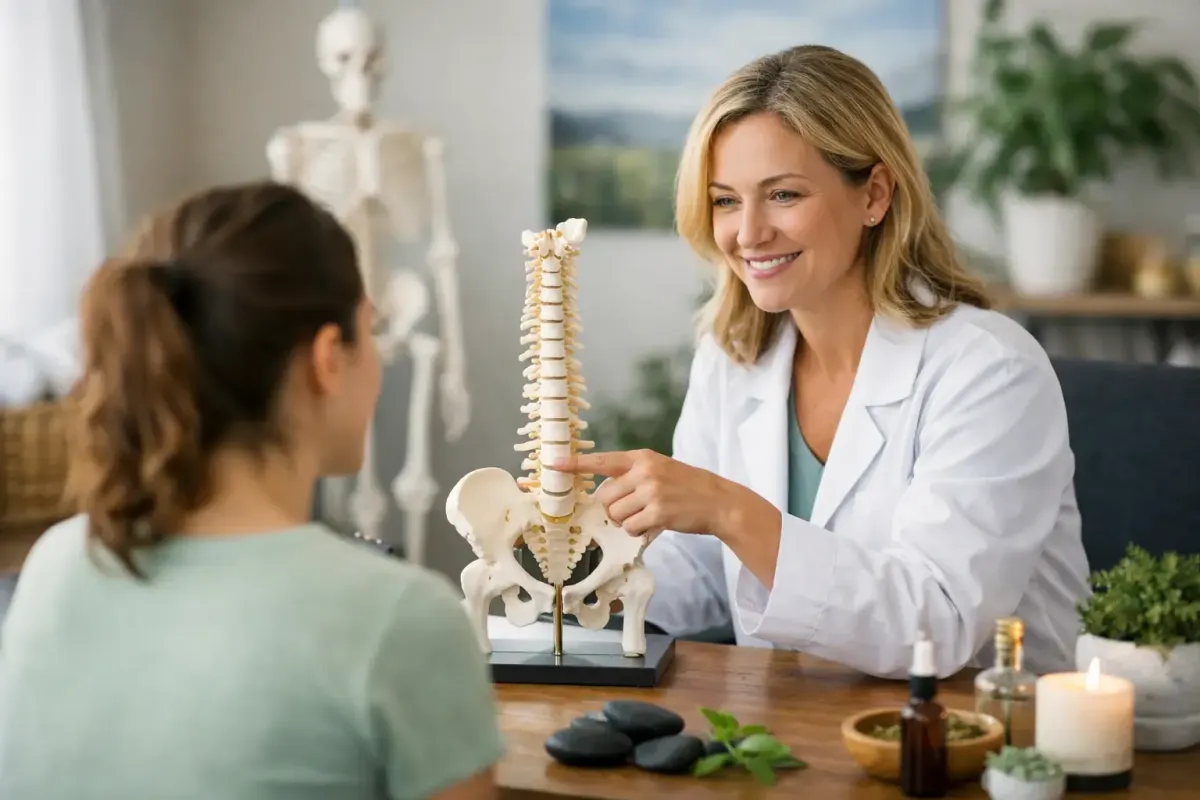
What a Natural Pain Management Clinic Can Do
A sore back after yard work is one thing. Pain that makes it harder to sleep, drive, exercise, work, or enjoy a walk along the Treasure Coast is another. A natural pain management clinic is designed for people who want more than a temporary fix. The goal is to identify what is contributing to the pain, improve how the body moves and functions, and create a realistic path back to daily life without defaulting to medication or surgery.
For some people, that means relief from a recent injury. For others, it means finally addressing recurring neck pain, sciatica, stiffness, numbness, or joint discomfort that has been building for years. Natural care is not about ignoring symptoms. It is about looking beyond them to determine why they continue.
What Makes Natural Pain Care Different?
Pain is useful information, but it is not always a complete diagnosis. A painful shoulder may involve joint irritation, but posture, spinal mechanics, muscle imbalance, repetitive work demands, or an old injury can all influence how that shoulder feels and heals. The same is true for low back pain, headaches, knee discomfort, and nerve-related symptoms.
A natural approach begins by listening to the full story. When did the problem begin? What makes it worse or better? Has there been a fall, car accident, sports injury, or change in activity? Are there symptoms such as tingling, weakness, radiating pain, poor balance, or sleep disruption? These details help guide appropriate care rather than applying the same treatment to every patient.
At Coastal Medical & Wellness, care is built around the belief that finding the cause creates a better opportunity for lasting improvement. That does not mean every source of pain has one simple answer. Chronic conditions can be complex, especially when age-related changes, past injuries, work habits, weight, inflammation, and stress overlap. Still, a focused evaluation can reveal practical opportunities to reduce strain, restore movement, and support recovery.
What to Expect at a Natural Pain Management Clinic
A quality clinic should make the process clear from the beginning. Your first visit generally includes a health history, discussion of your symptoms and goals, and an examination of movement, posture, joint function, and areas of tenderness or restriction. When appropriate, the provider may recommend imaging, coordinate with another medical professional, or refer you for additional evaluation.
The purpose is not simply to tell you that you are in pain. You already know that. It is to determine which structures and patterns may be involved and whether conservative care is a reasonable next step.
Your plan should also be individualized. Two people with low back pain may need very different care. One may be recovering from lifting something awkwardly and need short-term treatment to calm irritation and regain mobility. Another may have recurring pain associated with disc changes, deconditioning, prolonged sitting, or nerve irritation and benefit from a more gradual plan that includes ongoing support.
A thorough plan may include a combination of the following services:
Chiropractic care to improve spinal and joint motion, reduce mechanical stress, and support healthier movement patterns.
Spinal decompression for certain disc-related conditions, sciatica symptoms, or persistent low back and neck discomfort when clinically appropriate.
Shockwave therapy to support healing in some chronic soft-tissue conditions, such as plantar fasciitis, tennis elbow, or stubborn tendon pain.
Red light therapy as a noninvasive option that may support tissue recovery, circulation, and comfort as part of a broader plan.
Primary care and wellness support to help patients address related health factors that can affect energy, inflammation, weight, and recovery.
Not every service fits every condition. The right question is not, “What treatment is most popular?” It is, “What combination of care best matches my diagnosis, health history, and goals?”
When a Drug-Free Approach May Be a Good Fit
Many patients seek natural pain care because they are tired of relying on short-term measures. Pain medication can be appropriate in some situations, and it has a role in medical care. However, medication often manages symptoms without correcting movement restrictions, mechanical strain, or the habits that keep aggravating the body.
Conservative care may be worth considering if you have persistent back or neck pain, joint stiffness, headaches associated with tension or posture, sciatica-like symptoms, discomfort after an auto accident, or pain that is limiting your normal activity. It can also be a good fit for people who want to stay active as they age and address smaller problems before they become bigger limitations.
Results depend on the condition, how long symptoms have been present, overall health, and consistency with the care plan. A recent muscle strain may improve quickly. Long-standing pain with arthritis, disc degeneration, or nerve involvement may require more time and a maintenance strategy. Honest expectations matter. Natural care should never promise a miracle, but it can provide a structured, non-surgical way to pursue meaningful relief and better function.
Why Mobility Matters as Much as Pain Relief
Pain relief is often the first goal, and understandably so. But feeling better is only part of the outcome. If the body returns to the same restricted movement, poor posture, weak support muscles, or repetitive stress that contributed to the problem, symptoms can return.
That is why a strong treatment plan considers mobility and everyday function. Can you turn your head comfortably while driving? Can you get up from a chair without guarding your back? Can you walk farther, sleep more soundly, return to golf, or keep up with your grandchildren? These are practical measures of progress that matter more than a number on a pain scale alone.
Your provider may recommend changes outside the treatment room as well. This could include gentle mobility work, ergonomic adjustments, activity modifications during healing, hydration, sleep support, or a gradual return to exercise. These recommendations should be realistic. A plan that fits your schedule and abilities is more likely to become part of your long-term health routine.
Choosing the Right Natural Pain Management Clinic
Credentials and treatment options matter, but so does the experience of being heard. Look for a clinic that explains what it finds in understandable language, discusses alternatives, and gives you a clear sense of what treatment may involve. You should know why a service is being recommended, what outcomes are reasonable, and how progress will be measured.
It is also helpful to choose a practice that can look at more than one piece of the picture. Back pain may affect sleep. Reduced activity may contribute to weight gain. Nerve discomfort may change how you walk. A clinic with integrated options can help coordinate care around the patient rather than treating each concern as completely separate.
Be cautious of one-size-fits-all treatment packages or guarantees that sound too good to be true. Effective care is personalized, and plans should adapt as your symptoms, mobility, and goals change. In some cases, the best recommendation may be a referral, imaging, or co-management with another healthcare provider. That is a sign of responsible care.
Take the First Step Toward Feeling Better
You do not have to wait until pain has taken over your routine to seek help. Whether you are dealing with a new injury, recurring discomfort, or a condition that has not improved with rest alone, an evaluation can give you clearer answers and a practical next step.
If pain is keeping you from moving, working, sleeping, or doing what you enjoy, schedule a consultation with a natural pain management clinic that takes the time to understand the cause. The right plan can help you move with more confidence, make informed choices about your care, and start building a healthier foundation for the days ahead.
