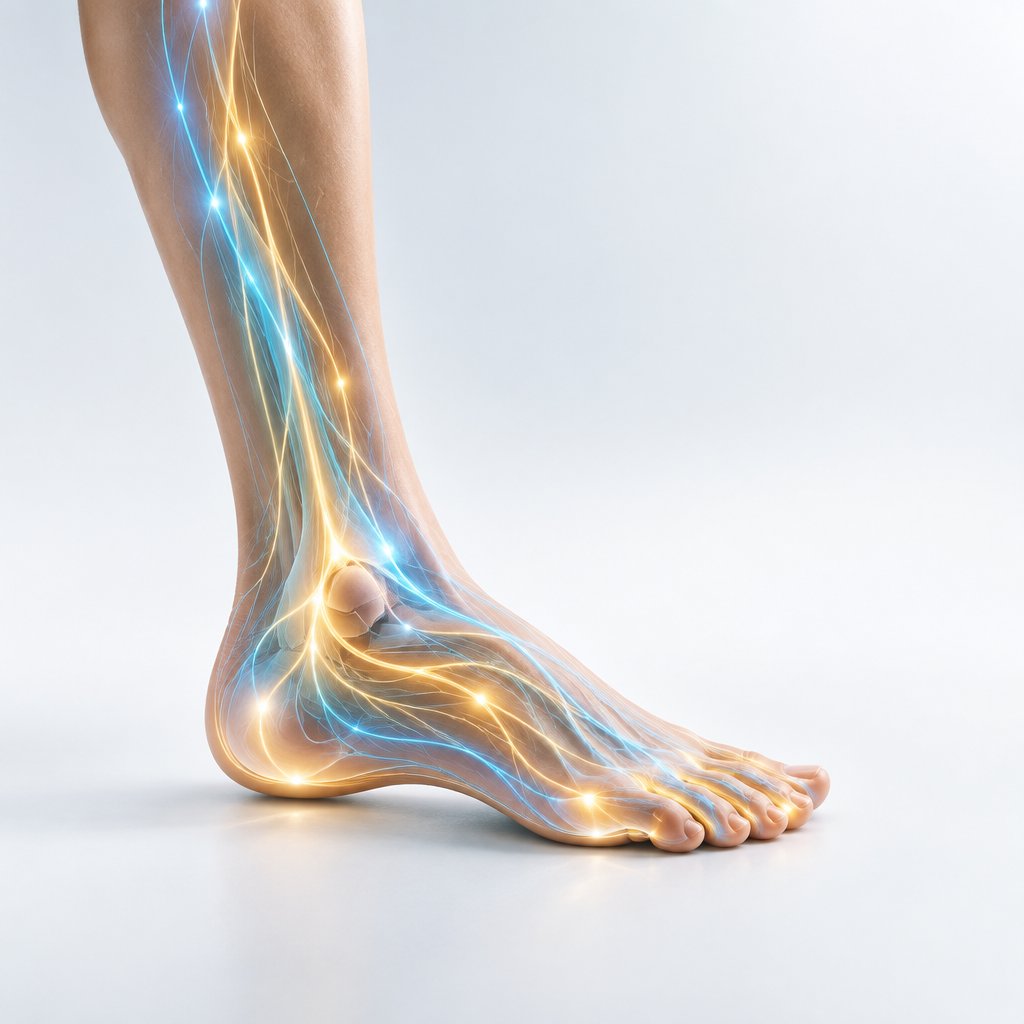
Neuropathy Treatment and Relief: Options for Better Mobility
Meaningful neuropathy treatment and relief combines identifying the underlying cause, easing nerve pain, and protecting everyday function. That approach helps us focus on practical gains such as steadier walking, better sleep, safer foot care, and improved quality of life while recognizing that damaged nerves may require ongoing management.
At Coastal Medical and Wellness Center in Stuart, we support a personalized plan that can include chiropractic assessment, specialized therapies, nutritional guidance, exercise recommendations, and functional testing for contributing factors. We do not promise a quick cure or universal solution. We help patients take a structured next step toward improved mobility and comfort. Call us at (772) 286-5277 to discuss an individualized evaluation.
What Causes Neuropathy Symptoms in the Feet and Legs?
Peripheral neuropathy symptoms in the feet and legs result from damage or dysfunction in nerves outside the brain and spinal cord, and diabetes is one of the most common causes. A careful evaluation connects symptoms with the underlying cause so treatment can address nerve health, comfort, and function together.
Common Signs of Peripheral Nerve Damage
Neuropathy in feet often begins with numbness, tingling, or a burning sensation. Neuropathic pain may feel sharp, electric, aching, or unusually sensitive to touch. Symptoms can spread upward into the legs and may include muscle weakness, poor balance, coordination changes, or reduced awareness of heat and injury.
Peripheral neuropathy commonly affects the hands and feet, although symptoms vary by the nerves involved. A person may notice difficulty walking, standing, climbing stairs, or recognizing a blister inside a shoe.
Why an Evaluation Should Look for the Underlying Cause
Diabetes, including type 1 diabetes and type 2 diabetes, can contribute to diabetic neuropathy through high blood sugar and nerve damage. Other possible contributors include vitamin B12 deficiency, low levels of other B vitamins, autoimmune conditions, inflammation, alcohol consumption, certain medications, injuries, arthritis-related pressure, and reduced blood flow or circulation.
A useful evaluation includes a health history, neurological and physical examination, and blood testing when appropriate. Mayo Clinic describes reviewing symptoms, lifestyle, drinking habits, toxin exposure, and family history as part of neuropathy diagnosis. Finding the driver helps guide blood sugar management, nutritional support, medical treatment, or rehabilitation.
When to See a Neurologist or Seek Prompt Medical Care
We encourage medical evaluation for persistent numbness, burning, tingling, weakness, or balance changes, especially when symptoms interfere with walking or sleep. A neurologist may be appropriate when symptoms are progressive, widespread, difficult to explain, or accompanied by significant weakness.
Seek prompt medical care for sudden or rapidly worsening weakness, new loss of balance, severe pain, changes in bladder or bowel control, or a foot wound that is red, swollen, draining, or slow to heal. Reduced sensation can allow an injury to worsen before it becomes noticeable.
Which Options Can Help Relieve Nerve Pain and Protect Function?
The most useful plan combines cause-focused care, symptom relief, movement support, and daily protection for the feet. Treatment choices should reflect the diagnosis, other health conditions, medication risks, mobility level, and personal goals.
Managing Diabetes and Other Contributing Conditions
Blood sugar control is central when diabetes contributes to neuropathy. Working with a medical professional on glucose targets, insulin when prescribed, nutrition, and regular exercise can help reduce additional nerve injury. The NHS notes that controlling diabetes may improve neuropathy or help prevent it from worsening.
A healthy diet should match a person’s medical needs and correct documented deficiencies safely. Vitamin B12, vitamin D, alpha-lipoic acid (ALA), acetyl-L-carnitine (ALC), and GLA require individualized guidance because supplements can interact with medications or create problems at excessive doses.
Prescription and Topical Options for Neuropathic Pain
Pain management may include anticonvulsants such as gabapentin or pregabalin, also known by the brand name Lyrica. Clinicians may prescribe antidepressants, including tricyclic antidepressants such as amitriptyline or nortriptyline, or SNRIs such as duloxetine, also known as Cymbalta, and venlafaxine.
Topical treatments can suit focal symptoms. Options include lidocaine, lidocaine patches, capsaicin cream, and a capsaicin patch. Aspirin, ibuprofen, and other nonsteroidal anti-inflammatory drugs do not address nerve signaling in the same way as neuropathic pain medicines, while tramadol requires careful medical oversight because of dependence and other risks.
Evidence-based recommendations identify duloxetine, venlafaxine, gabapentin, tricyclic antidepressants, topical lidocaine, and transcutaneous electrical nerve stimulation among options used for neuropathic pain management. Combination therapy requires a clinician to review side effects, interactions, and response.
Movement, Balance, and Mind-Body Support
Exercise supports strength and function when it is matched to current ability. Walking, swimming, yoga, tai chi, physical therapy, and balance training can help maintain mobility, with supervision or modifications when sensation and stability are reduced.
TENS, also called a TENS unit or transcutaneous electrical nerve stimulation, acupuncture, meditation, mindfulness, and cognitive behavioral therapy (CBT) can complement a broader pain plan. Better sleep and mood support daily coping, while depression, anxiety, and ongoing pain deserve attention as part of care.
Advanced Therapies for Persistent or Severe Symptoms
Persistent or severe symptoms may lead a specialist to discuss clinical trials, scrambler therapy, or spinal cord stimulation. These options require careful diagnosis and a review of expected benefits, risks, eligibility, and access.
Plasma exchange applies to specific immune-related neuropathies under specialist care. Advanced treatment should follow a neurological evaluation when symptoms are severe, rapidly changing, disabling, or resistant to initial care.
Daily Foot Care and Fall Prevention
Daily foot care protects function when numbness reduces warning signals. Check the tops, soles, sides, and spaces between the toes, use well-fitting shoes, keep skin moisturized while avoiding lotion between the toes, and inspect footwear before putting it on.
Foot and wound care should involve a podiatrist when there is a sore, callus, deformity, infection, or slow-healing area. Clear walkways, adequate lighting, supportive footwear, handrails, and balance exercises reduce fall hazards. We recommend prompt medical attention for any wound that shows redness, drainage, swelling, warmth, or increasing pain.
Personalized Neuropathy Support at Coastal Medical and Wellness Center
Coastal Medical and Wellness Center provides personalized neuropathy support by connecting symptom relief with assessment of contributing factors, nerve health, blood flow, inflammation, movement, and quality of life. Our care complements medical management and does not replace a neurologist or prescription treatment when those services are needed.
How a Root-Cause Assessment Shapes Your Care Plan
A root-cause assessment begins with your symptoms, health history, lifestyle, previous injuries, medications, and goals. Functional testing can help evaluate possible contributors involving foods, nutrients, and toxicities, while chiropractic assessment considers posture, movement, alignment, and mechanical factors.
The resulting plan is individualized. One person may need nutritional guidance and exercise recommendations, while another may benefit from supportive therapies alongside coordination with their primary care clinician or specialist.
Chiropractic, Nutrition, and Supportive Therapies in One Plan
Our neuropathy support may combine chiropractic assessment and adjustments with specialized therapies, nutritional guidance, exercises, and recommendations for circulation and movement. The purpose is to support comfort and function through a plan that matches the person in front of us.
We discuss realistic goals such as standing with more confidence, walking more comfortably, improving balance, or protecting the feet during daily activities. We use careful language about results because nerve conditions differ widely and damaged nerves do not respond identically.
What to Expect When You Begin Care in Stuart
A first visit includes a conversation about symptoms, medical history, lifestyle, and daily limitations, followed by an evaluation suited to your needs. We explain findings, discuss whether additional medical assessment is appropriate, and outline supportive options before care begins.
Coastal Medical and Wellness Center is located at 3257 SE Salerno Rd #3, Stuart, FL 34997, serving Stuart, Palm City, Jensen Beach, Hobe Sound, Port Salerno, and Port St. Lucie. Call (772) 286-5277 to discuss whether an individualized evaluation is a suitable next step.
Building a Safer, More Active Life With Neuropathy
A safer, more active life with neuropathy grows from steady attention to chronic pain, movement, and daily foot care. Cause-focused medical care can address contributing conditions, while rehabilitation and supportive therapies help preserve walking ability and confidence.
Set practical goals with your care team, such as walking a measured route, practicing balance exercises safely, improving sleep, or checking your feet each day. Tracking changes in pain, sensation, strength, balance, and activity gives us useful information for adjusting the plan.
Frequently Asked Questions
What is the most effective treatment for neuropathy?
The most effective neuropathy treatment addresses the underlying cause while managing pain and protecting function. Diabetes care, prescription or topical options, physical therapy, foot protection, and individualized supportive care may all have a role after evaluation.
Can neuropathy in the feet be reversed?
Neuropathy in the feet can improve when a treatable cause is identified and addressed, although some nerve damage persists or requires long-term management. Early evaluation, blood sugar control when relevant, foot protection, and appropriate rehabilitation help preserve function.
What relieves neuropathy pain quickly?
Prescription or topical treatments can provide the quickest relief for some forms of nerve pain, while the right choice depends on the cause, location, medications, and health history. Lidocaine products, capsaicin, gabapentin, pregabalin, duloxetine, and other options require guidance from a qualified clinician.
How can I sleep better with peripheral neuropathy?
Managing pain before bedtime, keeping a consistent sleep schedule, protecting the feet from pressure, and using relaxation practices such as mindfulness can support better sleep. Discuss persistent nighttime pain, depression, medication effects, or severe sleep disruption with your healthcare professional.
What home habits can help with neuropathy in the legs and feet?
Daily foot checks, supportive shoes, safe walking or other approved exercise, clear pathways, good lighting, and careful temperature testing help protect the legs and feet. Avoid walking barefoot when sensation is reduced, and contact a clinician promptly for a wound, infection sign, sudden weakness, or rapidly worsening balance.
