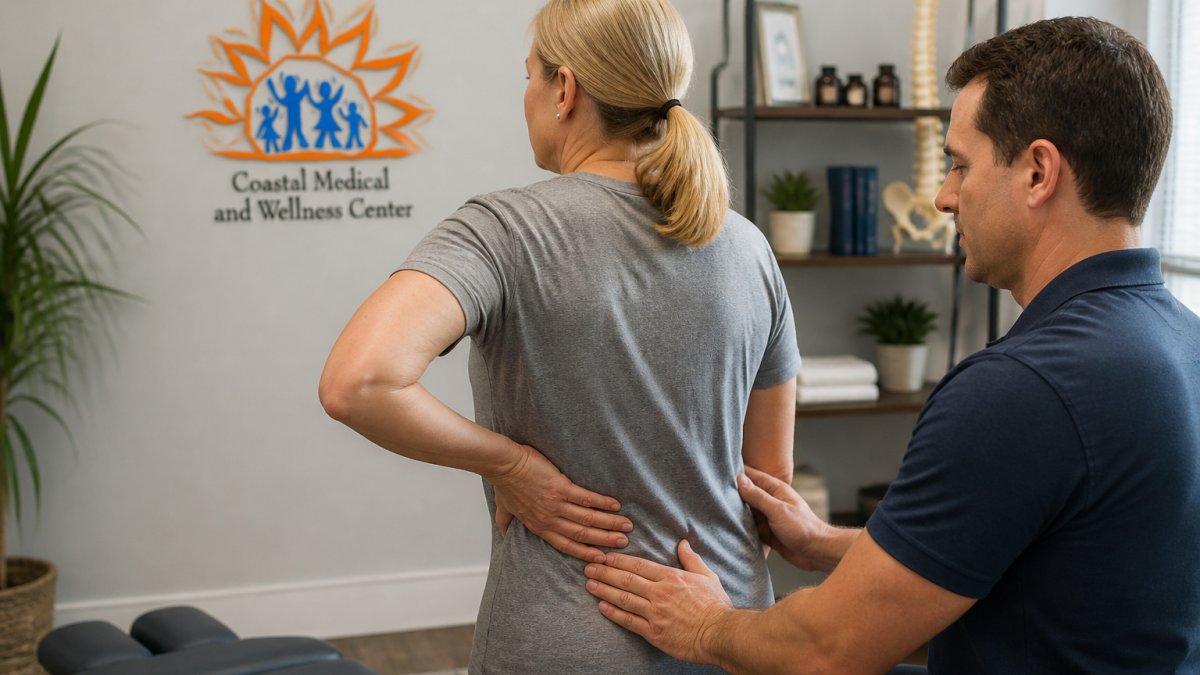
Pain Management Near Me Accepting New Patients
Table of Contents
- Why Finding a Pain Management Clinic Accepting New Patients Matters
- Understanding Pain Management and Treatment Overview
- Chronic Pain Treatment Options Available Today
- Questions to Ask a Pain Management Doctor Before Your First Visit
- What to Expect at a Pain Management Clinic Accepting New Patients
- How to Choose the Right Pain Management Specialist for Your Condition
- Taking the Next Step: Scheduling Your Appointment
- Frequently Asked Questions
Last Updated: October 21, 2026
Why Finding a Pain Management Clinic Accepting New Patients Matters
Living with chronic pain changes everything. Work becomes harder. Sleep suffers. Simple activities feel impossible. When you're ready to seek help, the last thing you need is to discover that the best clinics in your area aren't taking new patients.
Finding a pain management clinic accepting new patients isn't just about availability, it's about getting timely access to care that actually addresses what's causing your pain. Many people spend months bouncing between providers, getting temporary relief but never finding real solutions. At Coastal Medical and Wellness Center, we believe that shouldn't happen. The right pain management specialist can transform your quality of life by identifying the root cause of your discomfort rather than just masking symptoms.
The challenge is knowing where to look and what questions to ask. A clinic that accepts new patients should also offer comprehensive evaluations, personalized treatment plans, and a range of evidence-based options, from chiropractic care to advanced therapies like Cox Spinal Decompression and Shockwave Therapy. This guide walks you through finding and choosing the right pain management clinic accepting new patients for your specific needs.
Understanding Pain Management and Treatment Overview
Pain management is the medical and therapeutic approach to reducing pain and improving function without relying solely on surgery or long-term medication. It combines assessment, diagnosis, and personalized treatment strategies tailored to your specific condition.
Effective pain management near me accepting new patients should include several components. First, a thorough evaluation to understand what's actually causing your pain, not just where it hurts, but why. Second, a range of treatment options beyond just painkillers. Third, ongoing monitoring to ensure the approach is working and adjusting as needed.
Modern pain management recognizes that chronic pain often stems from multiple factors: structural issues like herniated discs, muscle imbalances, inflammation, nerve compression, or even metabolic dysfunction. A clinic that treats only the symptom will leave you returning repeatedly. One that investigates the cause can often resolve the problem.
At Coastal Medical and Wellness Center, our integrated approach combines chiropractic expertise with functional medicine principles. We've been serving the Treasure Coast community since 1999, helping patients find lasting relief through non-surgical, drug-free solutions. Whether your pain comes from a car accident, degenerative disc disease, neuropathy, or joint issues, the evaluation process should always start with understanding what's driving your symptoms.
Chronic Pain Treatment Options Available Today
When searching for pain management near me accepting new patients, you'll encounter several treatment categories. Understanding them helps you evaluate whether a clinic offers what you actually need.
Chiropractic and spinal care addresses structural issues in the spine and joints. Cox Spinal Decompression, for example, gently stretches the spine to relieve pressure on discs and nerves, particularly effective for bulging or herniated discs, sciatica, and degenerative disc disease. This is a nonsurgical option that many patients find delivers faster relief than traditional physical therapy alone.
Interventional therapies like Shockwave Therapy use acoustic waves to stimulate deep tissue repair and increase blood flow (pubmed.ncbi.nlm.nih.gov). These work well for tendonitis, plantar fasciitis, knee pain, and shoulder issues. They're especially valuable for patients who haven't responded to conservative care or want to avoid surgery.
Functional medicine approaches investigate metabolic and systemic causes. If your pain connects to inflammation, metabolic dysfunction, or autoimmune conditions, this framework looks for root causes rather than just treating the symptom.
Therapeutic massage and physical rehabilitation reduce muscle tension, improve circulation, and speed recovery. When combined with other treatments, massage accelerates healing and prevents compensation injuries.
Primary care and diagnostics ensure you have a complete picture. Proper imaging, blood work, and clinical assessment help rule out serious conditions and guide treatment selection.
A clinic accepting new patients should offer multiple options, not just one specialty. This gives you flexibility and ensures the treatment plan matches your specific situation, not just the clinic's primary focus.
Questions to Ask a Pain Management Doctor Before Your First Visit
Before committing to care, ask these questions to evaluate whether a clinic is right for you.
"What's your approach to diagnosis?" A good pain management specialist will want imaging, detailed history, and possibly diagnostic tests before recommending treatment. Avoid clinics that prescribe the same treatment to everyone regardless of the underlying cause.
"What treatment options do you offer?" Listen for variety. If they mention only one or two approaches, ask why.
"How do you measure progress?" You should understand upfront how success will be tracked. Will they use pain scales, functional assessments, imaging follow-ups, or range-of-motion testing? Vague answers suggest they don't have a systematic approach.
"What's your experience with my specific condition?" If you have sciatica, ask about their success with sciatica cases. If you're recovering from a car accident, ask about whiplash treatment. Specific experience matters.
"What happens if the first treatment doesn't work?" A confident provider should have a clear plan B. Avoid anyone who seems defensive or suggests you just need to "give it more time" without adjusting course.
"Do you work with insurance, and what's the typical cost?" Understanding the financial structure upfront prevents surprises. Ask whether they file insurance claims, offer payment plans, or have package pricing.
"How often will I need to come in?" Initial frequency might be 2-3 times weekly, tapering as you improve. A clinic should be able to estimate this based on your condition, though adjust as needed.
These questions reveal whether a clinic is genuinely patient-centered or just running a volume business.
What to Expect at a Pain Management Clinic Accepting New Patients
Your first visit to a pain management clinic accepting new patients should follow a structured process that prioritizes understanding your situation.
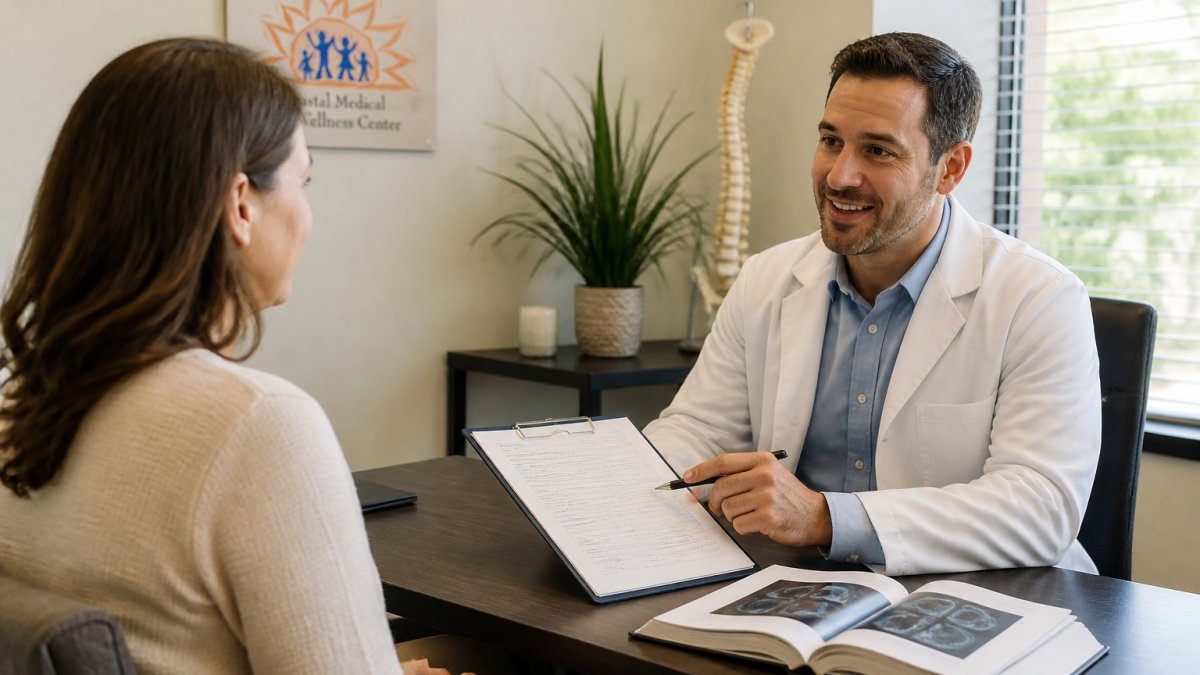
Intake and history typically takes 15-20 minutes. You'll complete forms about your pain history, previous treatments, medical conditions, medications, and lifestyle.
Physical examination comes next. The provider will assess your posture, range of motion, strength, and neurological function. They may perform orthopedic tests specific to your complaint.
Imaging or diagnostics may happen the same day or be scheduled afterward, depending on the clinic's workflow. X-rays, MRI, or ultrasound can reveal structural issues that guide treatment decisions.
Discussion of findings should be clear and understandable. A good provider explains what they found, why it's causing pain, and what treatment options exist. They should discuss pros and cons of each approach, not just recommend one path.
Treatment plan outlines frequency, duration, and expected outcomes. You should leave with a realistic timeline. Your pain management specialist should provide realistic expectations during your initial consultation and establish clear benchmarks to measure progress.
First treatment often happens during the initial visit. This gives you immediate experience with what care feels like and helps the provider assess your response.
At Coastal Medical and Wellness Center, this entire first visit typically takes 60-90 minutes. We follow our motto "Find the Cause - Live the Solution," meaning we invest time upfront to understand your situation rather than rushing into generic treatment.
How to Choose the Right Pain Management Specialist for Your Condition
Choosing the right provider requires matching your specific needs to the clinic's expertise and approach.
Identify your primary concern. Are you dealing with disc problems, joint pain, neuropathy, post-surgical recovery, or accident-related injury? Different specialists excel in different areas. A clinic strong in spinal decompression might be ideal for disc issues but less specialized in peripheral neuropathy treatment.
Verify credentials and experience. Look for providers with relevant certifications. Dr. Cliff Atwell, DC, FMACP (Fellow of the American Chiropractic Association's Professional Standards Board) brings both chiropractic expertise and functional medicine training, a combination that supports comprehensive pain management. Years in practice matter too.
Evaluate the clinic's treatment philosophy. Does the clinic focus on symptom relief or root-cause resolution? Does it offer nonsurgical options, or does it quickly refer to surgery? Your philosophy should align with theirs.
Consider accessibility. Can you get an appointment within a reasonable timeframe? Is the location convenient? Do they offer flexible scheduling? A clinic accepting new patients means nothing if you can't actually access care.
Check for integrated services. If you need multiple types of care, chiropractic adjustment, massage therapy, and functional medicine evaluation, a clinic offering all services under one roof is more efficient than coordinating across multiple providers.
Research reputation and patient feedback. Ask for references or look for patient testimonials. People who've actually received care from a clinic can tell you whether they got results and felt heard.
The goal is finding a clinic that combines expertise in your specific condition with a patient-centered approach and genuine availability.
Taking the Next Step: Scheduling Your Appointment
Once you've identified a pain management clinic accepting new patients, scheduling is straightforward but important.
Call ahead with your key information. When you contact the clinic, have ready: your primary pain location, how long you've had the pain, any previous treatments you've tried, relevant medical history, and insurance information.
Ask about new patient specials. Many clinics offer discounted initial consultations to make the first visit more affordable. These typically cover the comprehensive evaluation and first treatment at a reduced rate.
Confirm what to bring. You'll need insurance cards, photo ID, and any relevant medical records or imaging from other providers. Some clinics ask you to arrive 10-15 minutes early to complete intake paperwork.
Clarify the appointment duration. A thorough first visit should take 60-90 minutes. If the clinic schedules you for only 20 minutes, ask why or consider another option.
Ask about cancellation policies. Life happens. Understand the clinic's policy if you need to reschedule, and plan to confirm your appointment 24 hours before.
Prepare your questions. Write down the questions from the earlier section. Bring them to your appointment so you don't forget anything important during the visit.
The right pain management clinic accepting new patients will make this process easy and welcoming. You shouldn't feel rushed or pressured. You should feel heard and valued from the first phone call.
Finding relief from chronic pain starts with finding the right clinic. At Coastal Medical and Wellness Center, we combine 25+ years of experience with an integrated approach that addresses root causes, not just symptoms. Our team, led by Dr.
Frequently Asked Questions
How do I find a pain management clinic accepting new patients?
Start by searching for pain management clinics in your area and checking their websites or calling directly to confirm they accept new patients. Ask about their appointment availability, whether they accept your insurance, and what conditions they specialize in treating. Many clinics list this information online or can provide it over the phone. When you call, ask about their new-patient process, initial consultation details, and any paperwork you should complete before your first visit.
What types of chronic pain treatment options are available?
Chronic pain treatment options range from nonsurgical interventions to specialized therapies. Common approaches include physical rehabilitation, pain injections, spinal decompression for disc-related issues, shockwave therapy for soft tissue injuries, and functional medicine assessments to address root causes. Many clinics also offer chiropractic care, therapeutic massage, and personalized treatment plans combining multiple approaches. Your pain management specialist will recommend options based on your diagnosis, medical history, and treatment goals.
What should I ask a pain management doctor before my first appointment?
Ask about their experience treating your specific condition, what diagnostic tests they recommend, and which treatment options they typically use. Inquire about their approach to pain assessment and whether they focus on root-cause diagnosis or symptom management. Ask about expected timelines for seeing results, potential risks or side effects, insurance coverage, and payment options. Also ask how they monitor progress and adjust treatment plans if your condition doesn't improve as expected.
How long does it typically take to see results from pain management treatment?
Results vary depending on your condition, treatment type, and individual healing response. Your pain management specialist should provide realistic expectations during your initial consultation and establish clear benchmarks to measure progress. Regular follow-up appointments help your provider adjust your treatment plan if needed to optimize results.
