7 Pain Relief Centers Near Me: Stuart Area Comparison
Last Updated: October 26, 2026
Quick Summary
Pain relief centers near me combine multiple treatment approaches like chiropractic care and functional medicine to address root causes of chronic pain rather than just masking symptoms. The best centers offer integrated services including spinal decompression, shockwave therapy, and therapeutic rehabilitation with board-certified practitioners experienced in your specific condition.
- Cox Spinal Decompression uses motorized traction to reduce pressure on discs and nerves for herniated discs and sciatica.
- Functional medicine investigates root causes through comprehensive lab work testing inflammation, nutrient status, and metabolic markers.
- Verify insurance coverage and in-network status before booking, as many plans require referrals or prior authorization.
- Ask specialists about contraindications and who doesn't qualify for treatments like decompression or shockwave therapy.
- Look for centers serving your area for decades with experience handling acute injuries, preventative care, and chronic conditions.
Table of Contents
- What to Look for in Pain Relief Centers Near Me
- Chiropractor for Chronic Pain: Core Services and Specialties
- Functional Medicine for Chronic Pain: Root-Cause Treatment Approaches
- Disc Treatment Options: Non-Surgical Solutions for Spine Pain
- Conditions Treated at Local Pain Care Clinics
- How to Choose a Pain Specialist: Key Questions to Ask
- Schedule Your Pain Care Consultation
- Frequently Asked Questions
What to Look for in Pain Relief Centers Near Me
Finding the right pain relief center near you requires more than a quick Google search. The best pain relief centers near me combine multiple treatment approaches, experienced practitioners, and a commitment to addressing root causes rather than just masking symptoms.
When evaluating pain relief centers near me, look for facilities that offer integrated services. A center combining chiropractic care with functional medicine can provide more comprehensive solutions than single-specialty clinics.
Start by checking credentials. Look for board-certified practitioners with relevant specializations. A chiropractor should hold a Doctor of Chiropractic degree and maintain active licensure. If functional medicine is offered, verify that practitioners have completed additional training beyond their primary credential. Experience matters too.
Consider the range of services. Do they offer advanced techniques like spinal decompression or shockwave therapy? Can they handle acute injuries from car accidents? Do they provide preventative care and wellness services, or only reactive treatment?
Location and accessibility factor into your decision. A center close to home or work reduces friction in your treatment schedule. Check their hours, do they accommodate working professionals? Can you get same-week appointments? At Coastal Medical and Wellness Center, accessibility is a key consideration for treatment.
Pain Management Near Me Accepting New Patients(page:1) can help you identify facilities actively accepting new patients in your area.
Chiropractor for Chronic Pain: Core Services and Specialties
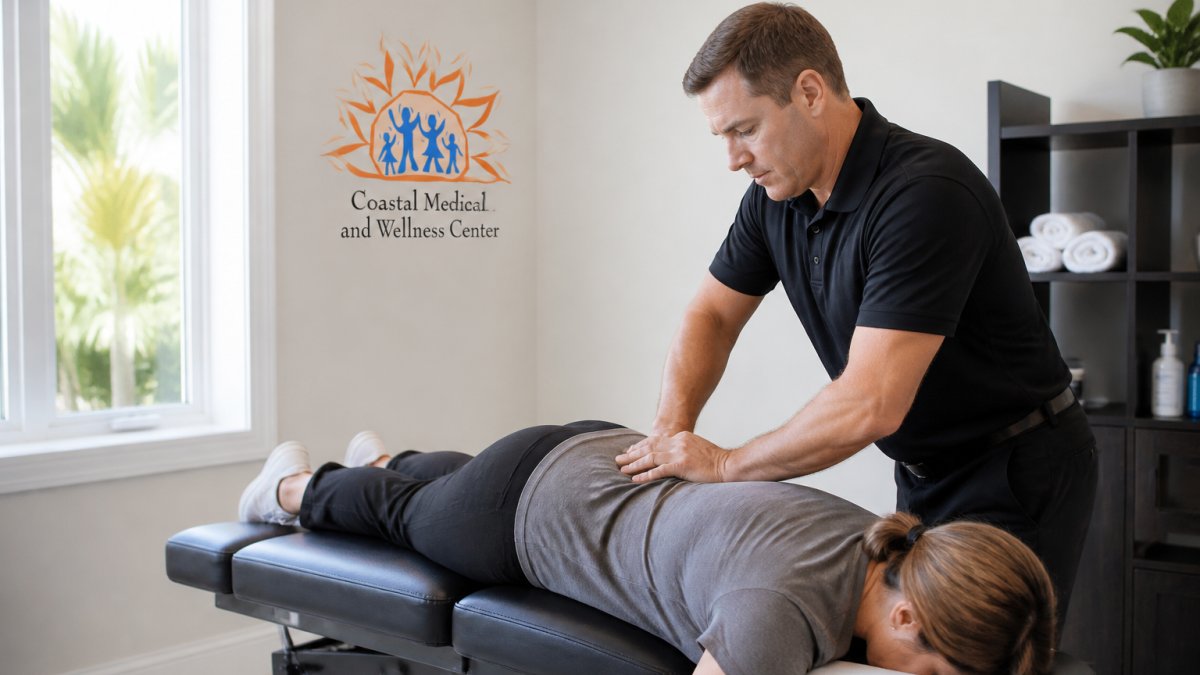
A chiropractor for chronic pain addresses structural and mechanical issues driving persistent discomfort. Beyond the popular image of "cracking backs," modern chiropractic care for chronic pain includes spinal decompression, therapeutic rehabilitation, and postural correction.
The core service most people associate with chiropractic is spinal manipulation, controlled movements that restore joint mobility and reduce nerve irritation. For chronic pain, this works best when combined with other techniques. Cox Spinal Decompression, for example, uses motorized traction to create negative pressure in the disc space, pulling herniated material away from nerves and increasing blood flow to damaged tissue.
A competent chiropractor for chronic pain also performs detailed movement assessments. They identify postural habits and muscle imbalances contributing to your pain cycle. Someone with forward head posture from years at a desk creates chronic neck and upper back tension. A chiropractor addresses both the immediate misalignment and the behavioral patterns perpetuating it.
Specialization matters here. Some chiropractors focus on sports injuries, others on auto accident trauma, others on occupational pain. A chiropractor for chronic pain should have specific experience with your condition. If you have a herniated disc, you want someone trained in decompression techniques, not just general manipulation.
Chiropracticcare(page:2) details the full scope of chiropractic services available for chronic pain conditions.
Functional Medicine for Chronic Pain: Root-Cause Treatment Approaches
Functional medicine for chronic pain takes a fundamentally different approach than conventional care. Instead of asking "What condition does this patient have?" functional medicine asks "Why is this patient's body producing pain?"
This distinction shapes everything. Conventional medicine often treats pain as a symptom to suppress. Functional medicine treats pain as a signal that something systemic is out of balance. A patient with chronic joint pain might receive anti-inflammatory medication in conventional care.
Functional medicine for chronic pain typically involves comprehensive lab work. Blood tests reveal inflammation levels, nutrient status, metabolic markers, and immune function. Some practitioners use advanced imaging or specialized testing to identify root causes others miss. This diagnostic depth takes time but often reveals why standard treatments haven't worked.
Treatment then addresses those root causes. If a patient's chronic pain stems partly from insulin resistance and metabolic dysfunction, functional medicine includes dietary changes and metabolic support. If nutritional deficiencies are contributing, supplementation and dietary optimization become part of the plan.
This approach works particularly well for patients who've tried multiple specialists without resolution. It's also valuable for conditions with inflammatory or metabolic components, neuropathy, autoimmune-related pain, metabolic syndrome pain, and weight-related joint stress all respond well to root-cause investigation.
Disc Treatment Options: Non-Surgical Solutions for Spine Pain
Disc treatment options have expanded significantly beyond the traditional choice between physical therapy and surgery. Modern non-surgical disc treatment options include mechanical decompression, regenerative therapies, and targeted rehabilitation.
Cox Spinal Decompression represents the most established non-surgical approach. This motorized traction gently separates vertebrae, reducing pressure on discs and nerves. The negative pressure created can draw herniated disc material back into the disc space. Most patients undergo several sessions over several weeks.
Shockwave therapy offers another non-surgical path for disc-related pain (pubmed.ncbi.nlm.nih.gov). Acoustic waves stimulate tissue repair and increase blood flow to damaged areas. While traditionally used for soft tissue injuries, shockwave therapy can be considered for patients with disc degeneration and nerve compression. The treatment is non-invasive and can be an option for those who haven't responded to mechanical approaches.
Physical rehabilitation remains foundational to all disc treatment options. Specific exercises strengthen supporting muscles, improve spinal stability, and reduce recurrence risk. The best non-surgical disc treatment options combine immediate symptom relief with long-term structural support.
Disc Treatment Options: Non-Surgical Solutions for Spine Pain(page:3) and How to Heal a Herniated Disc Without Surgery(page:4) provide deeper guidance on non-surgical approaches.
Conditions Treated at Local Pain Care Clinics
Local pain care clinics address a broader range of conditions than many patients realize. Beyond the common back and neck pain, modern clinics treat neuropathy, joint pain, post-injury trauma, and metabolic pain drivers.
Neuropathy, nerve pain causing burning, tingling, or numbness, responds well to integrated treatment. Functional medicine identifies metabolic or nutritional factors (diabetes, B12 deficiency, thyroid dysfunction), while chiropractic care addresses any structural nerve compression.
Sciatica and radiculopathy (nerve root compression) are clinic staples. These conditions cause radiating pain down the leg or arm and often respond dramatically to decompression therapy combined with targeted rehabilitation.
Joint pain from arthritis, overuse, or postural stress benefits from multi-modal treatment. Shockwave therapy reduces inflammation and stimulates repair. Therapeutic massage improves circulation and reduces muscle tension. Functional medicine addresses systemic inflammation.
Post-accident trauma, whiplash from car accidents, fall injuries, sports injuries, requires specialized assessment. Clinics experienced with trauma understand that injury effects extend beyond immediate pain.
Headaches and migraines, often overlooked as pain clinic concerns, respond well to chiropractic care addressing cervical spine mechanics and functional medicine investigating metabolic or inflammatory triggers. A clinic should be able to distinguish tension-type, cervicogenic, and migraine patterns before recommending care.
A clinic that can walk you through eligibility, risks, and recovery for each condition, not just list the conditions, is the one worth your time.
Local pain care clinics treat a range of conditions, each with specific eligibility requirements and recovery expectations.
| Condition | Treatment Approaches | Recovery Considerations |
|---|---|---|
| Neuropathy | Functional medicine, chiropractic care, shockwave therapy | Screen for underlying metabolic causes |
| Sciatica and radiculopathy | Decompression therapy, targeted rehabilitation | Not appropriate for severe osteoporosis or spinal fractures |
| Joint pain | Shockwave therapy, therapeutic massage, functional medicine | Multiple sessions spaced apart; potential soreness afterward |
| Post-accident trauma | Specialized assessment, soft tissue treatment, postural correction | Coordinate with personal injury protection coverage |
| Headaches and migraines | Chiropractic care, functional medicine investigation | Address cervical spine mechanics and metabolic triggers |
How to Choose a Pain Specialist: Key Questions to Ask
Choosing a pain specialist requires asking the right questions before committing to treatment. Start with credentials and experience.
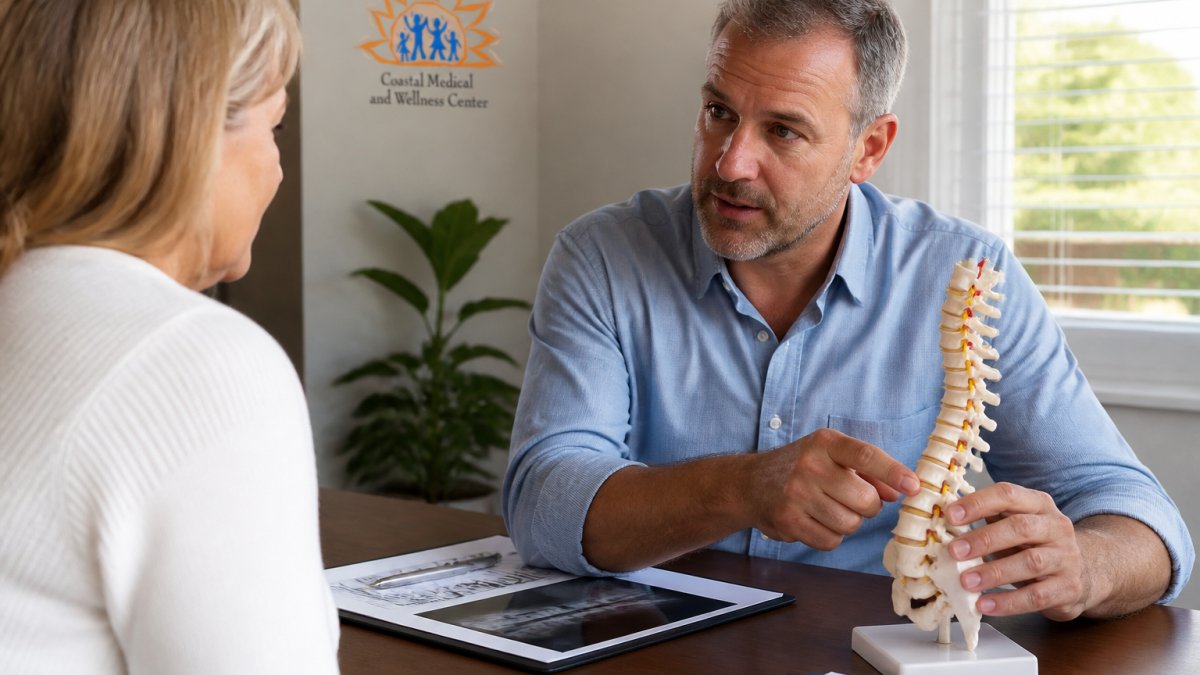
Ask about board certification and relevant specializations. How many years has this provider worked with your specific condition? Do they have additional training beyond their primary credential?
Verify insurance and cost before you book. This is the step most patients skip and later regret. Ask directly: Are you in-network with my plan?
Inquire about their treatment philosophy. Do they focus on symptom management or root-cause resolution?
Ask about specific techniques and technologies. If they recommend spinal decompression, what equipment do they use? How many patients have they treated with your condition using this approach?
Ask who qualifies, and who doesn't. A good specialist will tell you when a treatment is not appropriate. For decompression therapy, certain contraindications may apply (pubmed.ncbi.nlm.nih.gov).
Request information about treatment timelines and expectations. How long before you should see improvement? How many sessions typically constitute a trial period?
Ask about their communication style. Will they explain findings in terms you understand? Do they encourage questions? Will they provide written reports of your progress?
Finally, trust your instincts about the provider's approach. Do they seem genuinely interested in understanding your situation, or are they rushing through an assessment?
Schedule Your Pain Care Consultation
Chronic pain doesn't improve through research alone, it requires personalized evaluation and treatment from qualified professionals. The right pain specialist combines diagnostic depth, multiple treatment modalities, and genuine commitment to addressing your root causes rather than just managing symptoms.
When you're ready to explore options, Suffering from sciatic nerve pain? Get fast, non-invasive sciatica relief in Stuart, FL. Serving Martin County. Schedule your consultation today!(page:5) connects you directly with providers ready to help.
At Coastal Medical and Wellness Center, we combine chiropractic expertise with functional medicine to address pain at its source. Our approach, "Find the Cause, Live the Solution", means we investigate why you're experiencing pain, not just treat the pain itself.
Our integrated services include Cox Spinal Decompression for disc-related conditions, Shockwave Therapy for soft tissue and joint pain, functional medicine investigation for metabolic and inflammatory pain drivers, and therapeutic massage to support your recovery. We work with your body's natural healing capacity rather than against it.
The first step is a comprehensive consultation where we listen to your history, perform detailed assessment, and explain what we find in clear terms. No rushed appointments. No one-size-fits-all protocols. Just personalized care designed around your specific situation and goals.
Frequently Asked Questions
What should I look for when comparing pain relief centers near me?
When evaluating pain relief centers near me, check for board-certified physicians, integrated treatment approaches that address root causes rather than just symptoms, and availability of advanced techniques like spinal decompression or image-guided treatments. Ask about the provider's experience with your specific condition, whether they accept your insurance, and how they measure treatment progress. Centers that offer multiple services under one roof, such as chiropractic care, functional medicine, and physical rehabilitation, often provide more coordinated care.
How does a chiropractor for chronic pain differ from a regular doctor?
A chiropractor for chronic pain focuses on musculoskeletal alignment and nervous system function, using hands-on adjustments and specialized techniques like spinal decompression. Unlike conventional doctors who may rely on medications or injections, chiropractors emphasize natural pain relief and restoring proper movement. Many chiropractors also incorporate functional medicine principles to investigate underlying causes of pain, such as posture, movement patterns, or metabolic imbalances, rather than treating pain as an isolated symptom.
Can functional medicine for chronic pain actually address the root cause?
Functional medicine for chronic pain takes a systems-based approach, investigating factors like inflammation, nutritional deficiencies, movement dysfunction, and stress that contribute to your pain. Rather than masking symptoms with medication, this approach identifies what's driving your condition, whether that's a disc issue, nerve compression, metabolic imbalance, or injury-related trauma. By addressing these underlying causes, patients often experience longer-lasting relief and improved overall health, though results depend on your specific condition and commitment to the treatment plan.
What disc treatment options avoid surgery?
Non-surgical disc treatment options include spinal decompression therapy, which uses controlled traction to relieve pressure on herniated or bulging discs; therapeutic massage and physical rehabilitation to improve strength and flexibility; and anti-inflammatory care to reduce swelling. These approaches work best for mild to moderate disc conditions. Severe cases may require specialist evaluation, but many patients achieve significant relief without surgery by combining multiple non-invasive techniques tailored to their condition and recovery goals.
Chronic pain has likely consumed enough of your time already. Stop researching and start healing. Contact Coastal Medical and Wellness Center today to schedule your consultation and discover how integrated pain care can transform your health.

