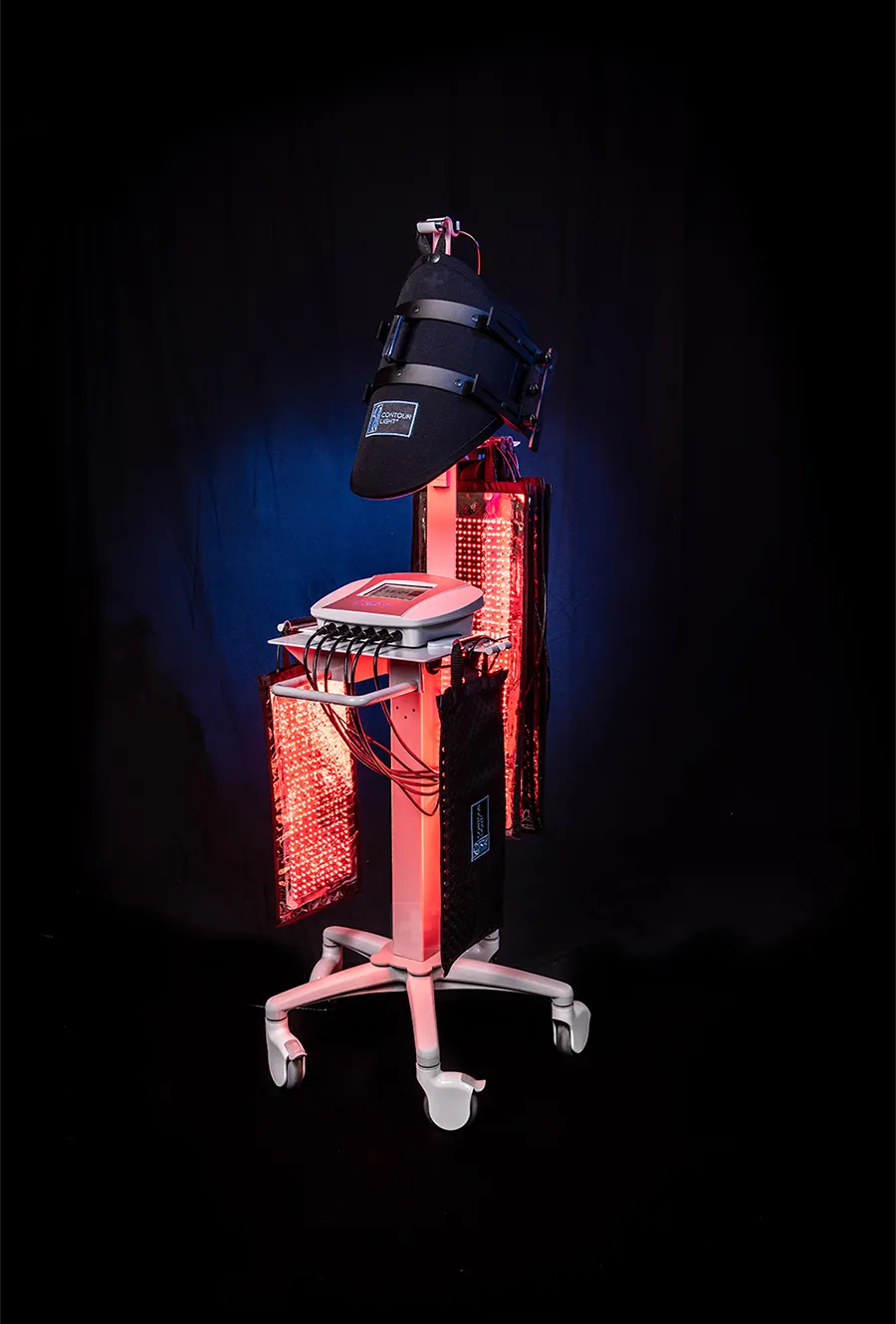
Red Light Therapy Beyond Weight Loss: Skin, Mood, and Recovery Support in a Medically Supervised Program
Red Light Therapy Beyond Weight Loss: Skin, Mood, and Recovery Support in a Medically Supervised Program
You’re trying to lose weight—and someone mentions red light therapy.
A fair reaction is:“Is this just another wellness add-on… or is there a real reason to consider it?”
Healthy skepticism is a good sign. At Coastal Medical and Wellness Center in Stuart, Florida, we treat red light therapy as one possible tool—not a miracle, not a replacement for nutrition, movement, sleep, or medically supervised care. When it makes sense, we may use it to support how you feel while you’re working on weight loss: energy, recovery, skin changes, and overall comfort.

What this post covers: what red light therapy is, what it may (and may not) help with—especially skin, mood, and recovery—plus how we consider it inside a personalized, medically supervised weight-loss plan in Stuart and nearby communities.
Myth vs Fact: Red Light Therapy, Weight Loss, and Whole-Person Outcomes
Myth 1: “Red light therapy melts fat.”
Fact: It’s not a fat-melting shortcut—but it may support habits and comfort that help weight-loss plans stick.
Most reputable evidence does not support the idea that red light therapy “burns fat” on its own. Weight loss is still driven primarily by nutrition, activity, sleep, stress regulation, and—when appropriate—medical therapies under clinician supervision.
Where red light therapy can fit for some patients is support: feeling less achy after workouts, improving perceived recovery, or helping skin quality during body composition changes. Those are not guaranteed outcomes, but they can matter if discomfort has been a barrier for you.
Myth 2: “Red light therapy is just a spa trend.”
Fact: It’s a form of photobiomodulation that’s actively studied in medical and rehab settings.
Red light therapy is often used as shorthand for photobiomodulation (PBM)—exposing tissue to specific wavelengths of red and near-infrared light. The proposed mechanism is not “magic”; it’s cellular signaling (often discussed in relation to mitochondrial function and inflammation pathways). Research is ongoing, and results can vary depending on device settings, the condition being treated, and individual factors.
If you want a science-forward starting point, the National Institutes of Health (NIH) has published peer-reviewed background on photobiomodulation mechanisms and applications.
NIH (PubMed Central) overview:https://pmc.ncbi.nlm.nih.gov/articles/PMC5523874/
Myth 3: “It only helps with weight loss clinics because they need ‘extras.’”
Fact: For some people, the most meaningful benefits are skin, mood/energy, and recovery—especially during lifestyle changes.
When you’re losing weight, your body is adapting: more movement, different macros, sometimes medication-supported appetite changes, and often improved metabolic markers over time. During that transition, people commonly notice:
muscle soreness or joint irritation when increasing activity
sleep disruption during schedule changes
skin concerns (dryness, texture changes, or acne flares from stress)
mood dips when routines are shifting
Red light therapy is sometimes explored for:
skin health(texture, tone, collagen-related changes)
recovery and soreness(exercise recovery support in some studies)
mood/seasonal patterns(evidence is stronger for bright light therapy; red/NIR is still being studied)
For skin-related evidence, the American Academy of Dermatology provides a measured overview of light/laser approaches and what to ask your dermatologist.
AAD (light/laser basics):https://www.aad.org/public/cosmetic/younger-looking/lasers
For exercise recovery, research summaries suggest PBM may help muscle performance and soreness in certain contexts, though study quality and protocols vary.
Example peer-reviewed review:https://pubmed.ncbi.nlm.nih.gov/31244782/
Myth 4: “If it helps, it should help everyone the same way.”
Fact: Response varies—device quality, dosing parameters, and your health context matter.
This is where “radical transparency” matters: in real life, outcomes are not uniform.
Red light therapy studies often differ in:
wavelength (red vs near-infrared)
intensity and duration
treatment frequency
the condition studied (skin vs muscle vs pain)
participant characteristics (age, baseline inflammation, sleep, medications)
So if you’ve tried a consumer device at home and felt nothing, that doesn’t automatically mean “it’s fake”—but it also doesn’t mean “you just need more.” It means the match between the tool and your needs wasn’t clear.
At Coastal, we talk through what you’re trying to improve (fatigue? soreness? skin quality? adherence?) and whether PBM is a reasonable, safe adjunct for you.
Myth 5: “Red light therapy replaces medically supervised weight-loss treatment.”
Fact: It’s an add-on at most—never a substitute for clinical evaluation, nutrition planning, and appropriate medical options.
For patients seeking medically supervised weight loss in Stuart, Palm City, Jensen Beach, Hobe Sound, Port Salerno, and surrounding areas, the core of the plan is still:
clinician assessment and monitoring
realistic nutrition targets
sustainable movement strategy
sleep and stress interventions
and, for some people, prescription options such as tirzepatide(discussed at a high level and individualized—no one-size-fits-all)
Tirzepatide is a prescription medication used for glycemic control and, in certain contexts, weight management under clinician care. It can reduce appetite and support metabolic improvements for some patients, but it requires screening and monitoring for safety and tolerability.
Mayo Clinic (GLP-1/GIP medication information and safety concepts):https://www.mayoclinic.org/
How do I know if this program is right for me?
You don’t need a perfect “diagnosis label” to start a helpful conversation. A medically supervised program may be a good fit if you’re in or near Stuart and you identify with any of these:
You’ve lost weight before, but regain happens when stress or schedule changes hit
You suspect your appetite signals and cravings don’t match your intentions
You’re motivated—but soreness, fatigue, or poor sleep makes consistency hard
You want medical oversight(labs/history review, contraindication screening, follow-up)
You want a plan that’s personalized—not a template
Red light therapy may be worth discussing if your barriers include:
post-exercise soreness that discourages activity
nagging joint discomfort (not an emergency)
skin concerns during weight changes
difficulty winding down or feeling “restored” (with appropriate screening)
If you’re unsure, the most useful next step is a consult—because “right for you” depends on your history, goals, and safety considerations.
What typically helps (and what doesn’t)
What typically helps
Consistency over intensity: walking, resistance training scaled to your starting point, and progressive increases
Protein + fiber-forward meals: not extreme restriction; steady meals you can repeat
Sleep protection: a wind-down routine, morning daylight exposure, consistent wake time
Clinician-guided options when appropriate: for some patients, medications like tirzepatide can be part of a monitored plan
Adjuncts that reduce friction: if red light therapy helps you feel less sore or more motivated to move, it can support adherence (not guarantee results)
What often doesn’t help
“All-or-nothing” dieting
relying on a single device or treatment to do the heavy lifting
skipping follow-ups (weight loss is a process, not a one-visit event)
self-prescribing therapies without screening—especially if you have complex health conditions
What to expect at Coastal Medical and Wellness Center (Stuart, FL)
Our goal is to make this feel clear,supported, and human—what many patients call “Disney‑wow” customer service: attentive, organized, and respectful of your time.
A typical start looks like:
A real conversation about your goals(weight, energy, mobility, confidence, labs, clothing fit, habits)
Health history + risk screening to identify what we should prioritize and what we should avoid
A customized plan, which may include:
medically supervised weight-loss strategies
lifestyle targets you can actually do
follow-up and monitoring
and, depending on your needs, add-ons like red light therapy,food sensitivity testing(when clinically appropriate), and/or prescription options such as tirzepatide(individualized; discussed with you, not pushed)
Red light therapy, when used, is positioned as:
a supportive modality for comfort/recovery/skin wellness goals
tracked alongside how you feel and what changes you’re making
adjusted or discontinued if it’s not providing meaningful benefit

When to seek urgent care
Call 911 or go to urgent/emergency care now if you have:
Stroke symptoms(face drooping, arm weakness, speech difficulty, sudden confusion)
Sudden severe headache(“worst headache of your life”)
Loss of bladder or bowel control
Saddle anesthesia(numbness in the groin/buttocks area)
Fever with back pain
Severe shortness of breath
You are currently undergoing cancer treatment and develop new/worsening symptoms or are unsure what therapies are safe
For non-urgent symptoms, schedule a clinical visit so we can guide you safely.
FAQ
1) “Does red light therapy help you lose weight?”
It’s not a primary weight-loss treatment. Some people use it as a supportive tool for recovery, soreness, or skin goals, which can indirectly support adherence to a weight-loss plan.
2) “Is red light therapy safe?”
Often it’s well-tolerated, but it’s not appropriate for everyone. Safety depends on your medical history, medications, skin sensitivity, and the device used. Talk to your clinician before starting.
3) “How long does it take to see results from red light therapy?”
It varies. Some people notice changes in soreness or recovery within a few sessions; skin-related changes typically take longer. If you’re not noticing meaningful benefit after a reasonable trial, it may not be the right tool for you.
4) “Can red light therapy help with mood?”
Evidence is strongest for bright light therapy for certain mood and circadian rhythm concerns; red/near-infrared light is still being studied. If mood is a major issue, we’ll talk through sleep, stress, and medical screening first.
5) “How long does tirzepatide take to work?”
Many patients notice appetite changes within weeks, but results vary and require ongoing lifestyle work and clinician monitoring. Your clinician will help set realistic expectations and track tolerance and progress.
6) “Do I need to exercise if I’m doing a medically supervised program?”
Movement helps protect muscle mass, supports metabolic health, and improves long-term maintenance. The plan should match your starting point—especially if pain or fatigue has been a barrier.
7) “What should I ask at a weight-loss consult?”
Ask what your plan will look like in 4–12 weeks, how follow-ups work, what monitoring is included, what side effects to watch for (if using medication), and how add-ons like red light therapy are chosen.
8) “Do you serve patients outside Stuart?”
Yes—patients commonly visit us from nearby areas within about a 20‑mile radius, including Palm City, Jensen Beach, Port Salerno, and Hobe Sound.
Evidence links (reputable starting points)
NIH/PMC (photobiomodulation mechanisms and applications):https://pmc.ncbi.nlm.nih.gov/articles/PMC5523874/
PubMed (review on PBM and exercise recovery/performance—protocols vary):https://pubmed.ncbi.nlm.nih.gov/31244782/
American Academy of Dermatology (light/laser basics and questions to ask):https://www.aad.org/public/cosmetic/younger-looking/lasers
Mayo Clinic (general medication/weight management education and safety concepts):https://www.mayoclinic.org/
Key takeaways (and your next step)
Red light therapy isn’t a “fat-melting” solution, but it may support skin goals, comfort, and recovery for some people.
The best results usually come from a personalized plan with clinical oversight, realistic lifestyle targets, and consistent follow-up.
If you’re curious whether red light therapy—or a medically supervised program including options like tirzepatide—fits your situation, we’ll talk through it transparently.
Call 772‑286‑5277 to schedule a consult or visit.
Medical disclaimer
This blog is for informational purposes only and does not provide medical advice, diagnosis, or treatment. Always seek the advice of your qualified health provider with questions regarding a medical condition or before starting or changing any health program or therapy. If you have urgent symptoms, call 911 or seek emergency care.
