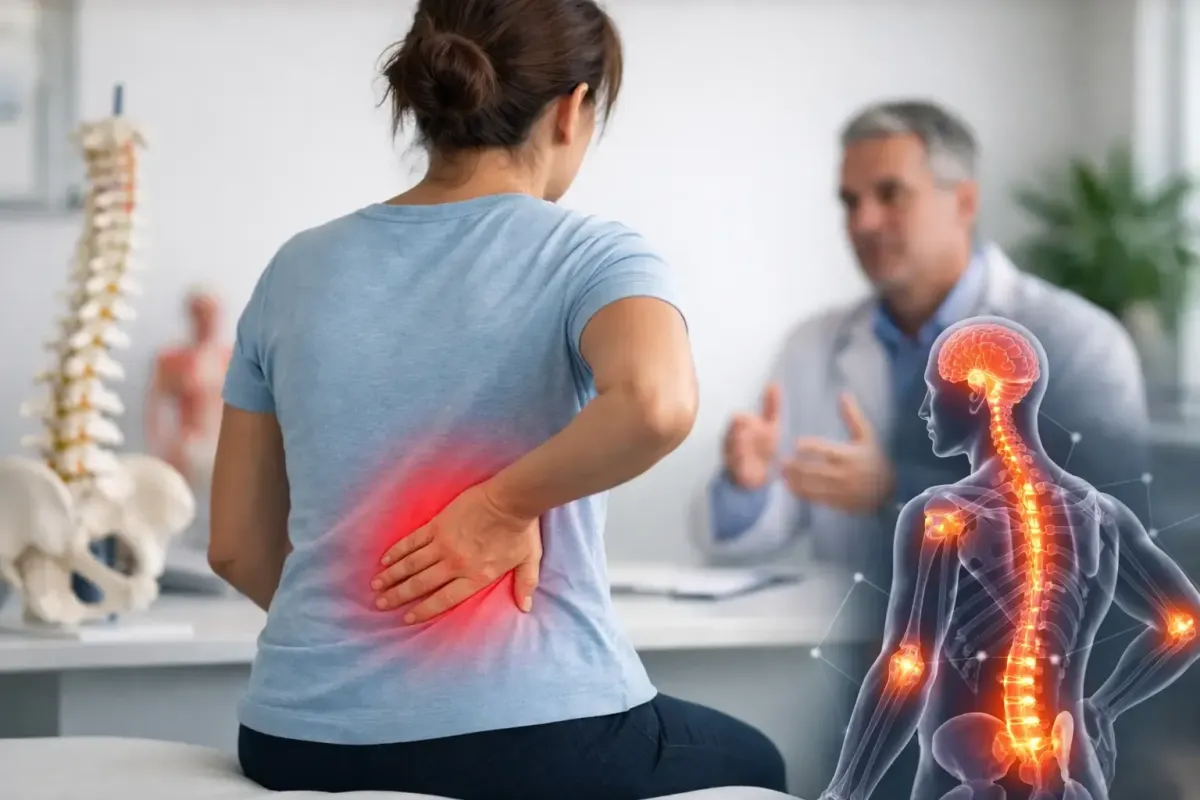
Root Cause Approach to Chronic Pain
Pain that keeps coming back is rarely random. If your neck flares up every few weeks, your low back never fully settles down, or numbness in your hands and feet keeps creeping in, there is usually a reason it is happening. A root cause approach to chronic pain starts with that reality. Instead of asking only how to quiet the pain today, it asks what is creating the stress, inflammation, tension, nerve irritation, or movement problem in the first place.
That difference matters. Many people on the Treasure Coast have already tried short-term fixes. They may have used medication, rested for a few days, changed shoes, bought a brace, or pushed through the discomfort until it became part of daily life. Sometimes those steps help temporarily. But when the real driver is still there, the pattern often returns.
What a root cause approach to chronic pain really means
Chronic pain is not always about one dramatic injury. In many cases, it builds slowly through a mix of mechanical stress, poor movement habits, old injuries, inflammation, disc issues, muscle imbalance, nerve compression, weight-related strain, or degeneration that has been ignored for too long. That is why a symptom-only approach can miss the bigger picture.
A root cause approach to chronic pain focuses on identifying the underlying problem or combination of problems contributing to your symptoms. The pain you feel in one area may not be where the real issue begins. Headaches can be connected to tension and restriction in the neck. Leg pain can start in the low back. Shoulder discomfort can be related to spinal alignment, posture, or overuse patterns rather than the shoulder joint alone.
This does not mean every case is simple. Some people have more than one issue happening at the same time. It also does not mean natural care is a cure-all for every condition. But it does mean the best plan usually starts with a more complete understanding of what your body is telling you.
Why symptom relief alone often falls short
There is nothing wrong with wanting fast relief. If you are in pain, you want to feel better now. That is reasonable. The problem starts when relief becomes the only goal.
When care is built only around temporary pain reduction, people often end up in a cycle. The pain settles down, activity increases, the same stress returns, and symptoms flare again. Over time, this can lead to frustration, reduced mobility, sleep issues, less exercise, and a growing fear that the problem will never improve.
Pain also changes behavior. You may start compensating without realizing it. You shift your weight to one side, avoid bending, tense your shoulders, shorten your stride, or move less overall. Those compensation patterns can create new strain in nearby joints and muscles. That is one reason chronic pain has a way of spreading.
A better strategy is to reduce pain while also correcting the factors that keep feeding it.
What providers look for beneath the pain
A thorough evaluation should go beyond the area that hurts. It should look at how your body moves, where stress is building, and whether the nervous system, spine, joints, and soft tissues are working together the way they should.
Structural and spinal issues
Misalignment, restricted joints, disc problems, postural collapse, and spinal wear can all contribute to ongoing pain. If the spine is not moving well or is placing pressure on nearby nerves, symptoms may show up as back pain, neck pain, sciatica, headaches, or tingling in the arms and legs.
Muscle and soft tissue dysfunction
Tight, weak, overworked, or poorly coordinated muscles can keep pulling the body out of balance. Scar tissue, repetitive strain, and old injuries may reduce mobility and increase inflammation. In these cases, pain is not just about one sore muscle. It is about a movement system that is no longer functioning efficiently.
Nerve irritation and neuropathic symptoms
Burning, numbness, tingling, shooting pain, and weakness often point to nerve involvement. That irritation may come from spinal compression, chronic inflammation, circulation problems, or metabolic factors. If nerve symptoms are treated like ordinary muscle pain, progress may be limited.
Lifestyle and whole-body stressors
Sleep quality, stress levels, weight, work ergonomics, activity level, and recovery habits all affect pain. A person who sits for long hours, sleeps poorly, and carries excess weight may have a very different recovery path than someone with the same diagnosis but better overall resilience. This is where integrated care becomes especially valuable.
How natural, integrated care supports long-term improvement
The goal is not simply to mask symptoms. The goal is to help the body function better so pain has less reason to stick around.
Chiropractic care can improve spinal motion, reduce joint restriction, and ease pressure patterns that contribute to pain and nerve irritation. For many patients, this helps with back pain, neck pain, sciatica, headaches, and mobility limitations.
Spinal decompression may be considered when disc-related pressure is part of the problem. By creating a more favorable environment for the spine, it can help certain patients dealing with radiating pain, disc issues, or persistent low back discomfort. It is not right for everyone, but for the right case, it can be an important part of a broader plan.
Shockwave therapy is another example of root-cause-focused treatment. Rather than numbing the area, it aims to stimulate healing in damaged or stubborn soft tissue. That can be useful when chronic tendon or muscle problems are not resolving on their own.
Red light therapy may support recovery by helping calm inflammation and promote tissue repair. On its own, it may not solve a structural issue, but paired with the right corrective care, it can support progress.
Weight loss support can also play a meaningful role. Extra body weight increases stress on the spine, hips, knees, and feet, and it can influence inflammation throughout the body. For some patients, reducing that burden changes the trajectory of their pain more than they expected.
This is the value of an integrated clinic model. When care is coordinated around the real drivers of pain, treatment feels less pieced together and more purposeful.
The treatment plan should be personal, not generic
Two people can both have low back pain and need very different care. One may have a disc issue with nerve involvement. Another may be dealing with instability, deconditioned core muscles, and poor movement mechanics after years at a desk job. Giving both patients the same routine because they share a symptom does not make much sense.
Personalized care looks at your history, exam findings, daily demands, and long-term goals. It also considers what you want to avoid. Many patients are looking for a non-surgical, drug-free path if appropriate for their condition. Others want to stay active, keep working, return to golf, recover after an accident, or simply get through the day without relying on pain medication.
A strong plan should adapt as you improve. Early care may focus on calming inflammation and reducing pain. Later phases may shift toward mobility, strength, posture, stability, and prevention. That progression is often what separates temporary relief from meaningful change.
When this approach makes the biggest difference
The root cause model is especially helpful when pain has become recurring, when previous care only helped for a short time, or when symptoms involve more than one body system. It is also valuable for patients who feel they have never gotten a clear explanation for why they hurt.
That said, there are limits. Some conditions require co-management, imaging, primary care involvement, or referral to another specialist. Good care is not about forcing every problem into one treatment style. It is about knowing what fits, what does not, and what gives the patient the best chance of real improvement.
For many adults in Stuart and the surrounding area, that starts with finally being heard and evaluated as a whole person rather than a list of symptoms. At Coastal Medical & Wellness, that kind of thinking is central to how lasting results are built.
If your pain keeps returning, your body may be asking for a different strategy. Not a louder fix. A smarter one that finds the cause, supports healing, and gives you a realistic path back to better movement, better function, and better days ahead.
