Shockwave Therapy vs Physical Therapy: Which Helps?
A painful first step out of bed, an elbow that will not tolerate another round of golf, or a shoulder that aches every time you reach overhead can make daily life feel smaller. When comparing shockwave therapy vs physical therapy, the best choice is rarely about finding one “better” treatment. It is about identifying what is driving your pain, how long it has been present, and what your body needs to heal and move well again.
For many Treasure Coast adults, the most effective plan combines targeted treatment for irritated tissue with hands-on guidance to restore strength, mobility, and confidence. The goal is not simply to get through the next week with less pain. It is to find the cause and build a path toward lasting function.
Shockwave Therapy vs Physical Therapy: The Core Difference
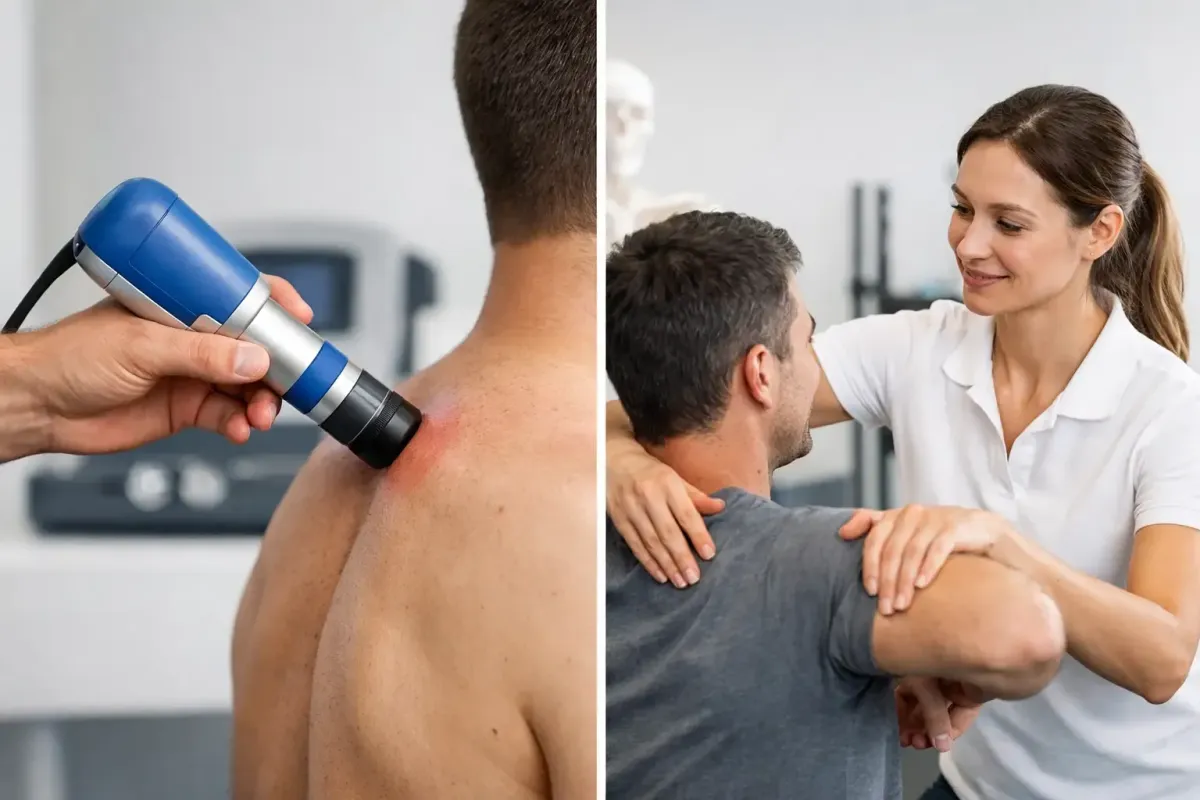
Shockwave therapy and physical therapy address musculoskeletal pain in different ways. Shockwave therapy, also called extracorporeal shockwave therapy or ESWT, uses acoustic pressure waves delivered to a specific painful area. These pulses may help stimulate the body’s natural healing response, increase local circulation, and support tissue remodeling in certain chronic conditions.
Physical therapy is a broader rehabilitation approach. A licensed physical therapist evaluates how you move, where you are weak or restricted, and which activities may be overloading the injured area. Treatment can include therapeutic exercise, stretching, manual therapy, balance work, education, and a progressive return-to-activity plan.
In simple terms, shockwave therapy is a focused treatment for a stubborn tissue problem. Physical therapy is a movement-based strategy for improving the way your body functions as a whole. One can relieve a barrier to recovery; the other can help correct the patterns that contributed to that barrier.
When Shockwave Therapy May Be a Good Fit
Shockwave therapy is often considered when tendon or fascia pain has persisted despite rest, activity changes, basic home care, or other conservative treatment. It is commonly used for chronic plantar fasciitis, Achilles tendinopathy, tennis elbow, calcific shoulder tendinopathy, and certain hip or knee tendon conditions.
This treatment is not a quick fix or a passive substitute for rehabilitation. During a session, the clinician applies a handheld device to the treatment area. Some people describe the sensation as intense tapping or pressure. Comfort levels can be adjusted, and sessions are generally brief. It is common to have temporary soreness afterward, similar to what you might feel after a challenging workout.
Shockwave therapy may be especially helpful when pain has lingered long enough that the body seems stuck in an ineffective healing cycle. A runner with chronic Achilles pain, for example, may need help calming a persistently irritated tendon before they can tolerate the strength-building work required to return to running.
Results vary by diagnosis, severity, and the quality of the overall care plan. Some patients notice a change after a few visits, while others improve gradually over several weeks as the tissue responds and activity is progressed appropriately.
Who should use caution?
Shockwave therapy is not appropriate for every person or every type of pain. A qualified provider should review your health history, medications, symptoms, and diagnosis first. It may not be recommended over areas with certain tumors or infections, during pregnancy in the treatment area, or for people with significant bleeding concerns. New, severe, unexplained pain also deserves a proper evaluation rather than immediate treatment.
When Physical Therapy May Be the Better Starting Point
Physical therapy is often the first choice when pain is tied to weakness, poor mobility, balance problems, an acute injury, surgery recovery, or movement patterns that need to be retrained. It can be particularly valuable for low back pain, neck pain, shoulder impingement, knee pain, arthritis-related limitations, and recovery after a fall, accident, or operation.
A strong physical therapy plan does more than hand you a list of exercises. It should answer practical questions: Which movements are safe right now? What is irritating the injury? How much activity is enough to build capacity without causing a flare-up? Which muscles or joints need more support?
For example, someone with plantar heel pain may benefit from calf mobility work, foot and ankle strengthening, hip stability training, footwear guidance, and gradual changes to walking or exercise volume. Even if shockwave therapy reduces pain, these pieces can still matter because they address the stress repeatedly placed on the foot.
Physical therapy does require participation. Progress depends in part on attending visits, completing a home program, and making adjustments to daily habits. That commitment can feel challenging, but it is also why rehabilitation can create durable changes in strength and mobility.
Can You Combine Shockwave Therapy and Physical Therapy?
Often, yes. For the right diagnosis, combining shockwave therapy with guided rehabilitation can be more useful than relying on either approach alone. Shockwave therapy may help make a painful area more responsive to loading, while physical therapy helps restore the capacity of the tendon, muscle, and surrounding joints.
The timing matters. An irritated tendon should not be pushed aggressively just because pain begins to improve. Likewise, avoiding all movement for too long can reduce strength and make a return to normal activity harder. A personalized plan balances tissue healing with carefully progressed exercise.
At Coastal Medical & Wellness, this root-cause mindset also considers factors beyond the spot that hurts. Spinal alignment, joint mobility, work demands, gait changes, previous injuries, sleep, and activity level can all influence recovery. A person with elbow pain may also have shoulder weakness or neck dysfunction affecting how the arm loads. Treating only the elbow may provide incomplete relief.
How to Decide Between Shockwave Therapy vs Physical Therapy
The right recommendation starts with a clear assessment, not a one-size-fits-all treatment menu. Consider the nature of your symptoms. Chronic, localized tendon or fascia pain that has not responded to basic conservative care may warrant a conversation about shockwave therapy. Pain that developed after an injury, feels widespread, affects balance, or is clearly linked to weakness and restricted movement may point more strongly toward rehabilitation.
Your goals also matter. If you want to get back to pickleball, work without back pain, walk the Stuart Riverwalk comfortably, or keep up with grandchildren, the plan should be built around those real-life demands. Pain relief is meaningful, but being able to trust your body again is the larger outcome.
You should also seek prompt medical evaluation for warning signs such as significant swelling after trauma, inability to bear weight, a sudden loss of strength, numbness that is worsening, fever, unexplained weight loss, or changes in bowel or bladder control. These symptoms may require a different level of care.
What a Personalized Recovery Plan Can Look Like
A thoughtful plan may begin with an examination to identify the painful tissue, screen for nerve or joint involvement, and understand how the condition affects your movement. From there, care may include shockwave therapy for an appropriate chronic condition,chiropractic care to address joint restrictions, targeted exercise, mobility work, and guidance on activity modification.
The plan should evolve as you improve. Early visits may focus on reducing pain and protecting the area from repeated aggravation. Later care should shift toward strength, endurance, balance, and a safe return to the activities that matter to you. The destination is not dependence on treatment. It is greater resilience and more freedom in everyday life.
If pain has been limiting your work, exercise, sleep, or time with family, you do not have to choose a treatment based on a headline alone. Start with an evaluation that looks beyond the symptom, explains your options clearly, and gives your body a practical chance to heal.
