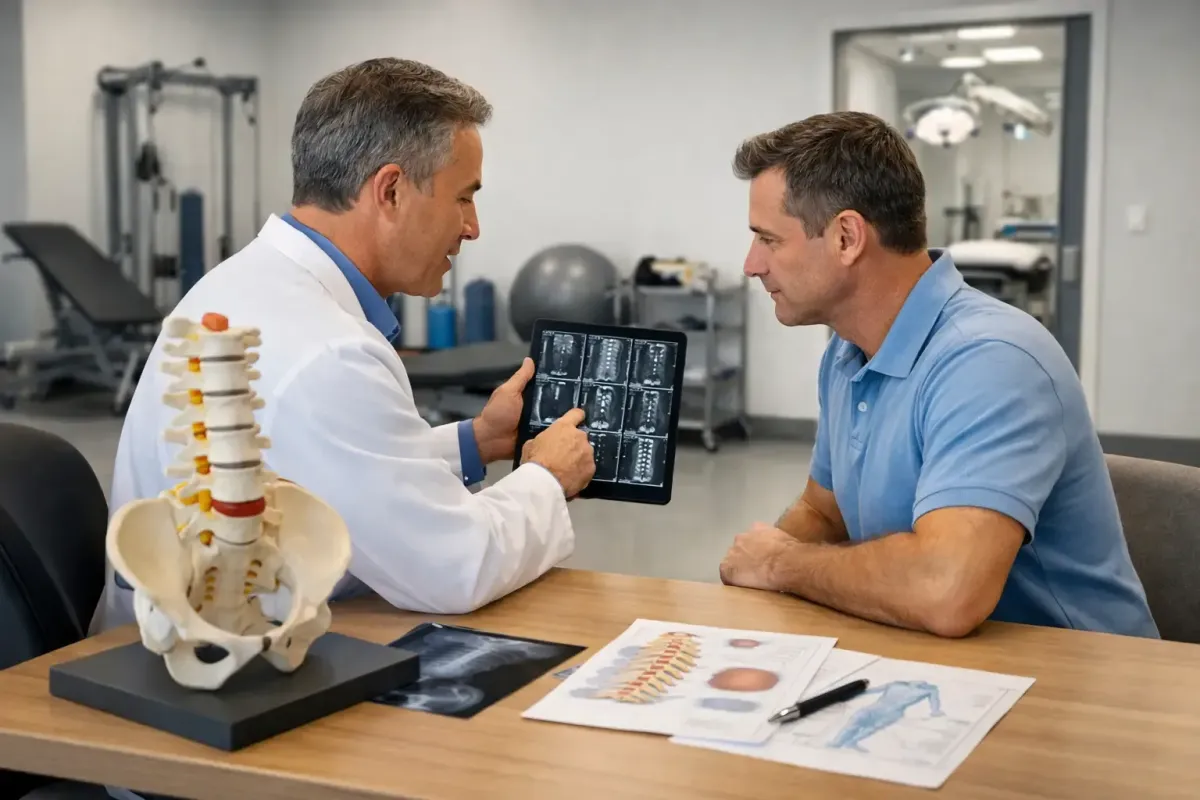
Spinal Decompression vs Back Surgery
When your back pain starts affecting how you work, sleep, drive, or even get through a normal day, the question becomes very real: spinal decompression vs back surgery - which one actually makes sense for your situation? For many people, the right answer is not about choosing the most aggressive option. It is about choosing the treatment that matches the cause of the pain, the severity of the condition, and your long-term health goals.
Some patients hear the word surgery and assume it must be the most effective route. Others want to avoid surgery at all costs, even when their symptoms are getting worse. The truth usually falls somewhere in the middle. There are cases where surgery is necessary, and there are many others where conservative care can provide meaningful relief without the cost, downtime, and risks of an operation.
Spinal decompression vs back surgery: what is the difference?
Spinal decompression is a non-surgical therapy designed to reduce pressure on spinal discs and nerves. It uses a controlled traction system to gently stretch the spine, which can help create space between the vertebrae and improve disc mechanics. The goal is to relieve nerve compression, reduce pain, and support the body’s natural healing process.
Back surgery is a broad term that includes procedures such as discectomy, laminectomy, spinal fusion, and other operations intended to remove damaged tissue, stabilize the spine, or take pressure off nerves. Surgery may be recommended when there is significant structural damage, severe nerve involvement, spinal instability, or when conservative care has not worked.
The biggest difference is that spinal decompression is conservative and non-invasive, while surgery is invasive and typically reserved for more serious or stubborn cases. That distinction matters because the risks, recovery time, and expected outcomes are very different.
When spinal decompression may be a good first step
For many adults dealing with chronic low back pain, sciatica, disc bulges, herniated discs, or degenerative disc issues, spinal decompression can be a reasonable place to start. If the condition involves pressure on spinal structures but does not require immediate surgical correction, a non-surgical approach may help reduce symptoms and improve function.
This option often appeals to people who want drug-free care, need to stay active for work or family responsibilities, or simply want to see whether their body can respond to a more natural treatment plan first. It can also fit well into a broader care strategy that includes chiropractic treatment, mobility work, and therapies that support tissue healing.
That said, spinal decompression is not a magic fix. Results depend on the diagnosis, the chronicity of the problem, overall health, posture, activity habits, and whether the patient follows through with the full treatment plan. Some people feel relief quickly. Others improve more gradually over several weeks.
Potential benefits of spinal decompression
One of the main advantages of spinal decompression is that it does not involve incisions, anesthesia, or a hospital stay. Most patients are able to return to normal daily activities the same day, with little interruption to work or family life.
It also allows a provider to take a more conservative path before considering surgery. That matters because some back conditions improve when pressure is reduced and movement patterns are corrected. If you can relieve the cause of the pain without altering the structure of the spine surgically, that is often worth exploring.
Another benefit is flexibility. Non-surgical decompression can be part of an individualized plan rather than a one-size-fits-all intervention. In a wellness-focused setting, it may be combined with other therapies aimed at reducing inflammation, restoring motion, and supporting long-term stability.
When back surgery may be necessary
There are times when surgery is the right call. If you have progressive muscle weakness, loss of bowel or bladder control, severe nerve compression, spinal fractures, instability, or a condition that keeps worsening despite appropriate conservative care, surgery may be needed to protect function and reduce serious complications.
Surgery may also be considered when imaging and clinical findings show a problem that is unlikely to respond to non-surgical treatment alone. In those cases, delaying surgery may prolong suffering or allow the condition to worsen.
This is why a proper evaluation matters so much. Back pain is a symptom, not a diagnosis. Two people can both say, “My back hurts,” while having very different underlying issues. One may respond well to decompression and supportive care. The other may need a surgical consult quickly.
The trade-offs of surgery
Back surgery can be life-changing for the right patient, but it comes with real trade-offs. Recovery is usually longer, costs are higher, and there are inherent surgical risks such as infection, scar tissue, anesthesia complications, and the possibility that symptoms may not fully resolve.
Some procedures also change spinal mechanics permanently. A fusion, for example, may reduce motion in one area of the spine, which can place added stress on nearby segments over time. That does not mean surgery is a bad option. It means it should be chosen thoughtfully, with a clear understanding of the goal and the possible downsides.
Recovery time and lifestyle impact
One reason many patients compare spinal decompression vs back surgery so carefully is recovery. This is often where the decision feels most personal.
With spinal decompression, treatment is typically delivered over a series of visits. You may need multiple sessions over several weeks, but the day-to-day disruption is usually limited. Many patients continue working, exercising lightly, and handling daily responsibilities while progressing through care.
With surgery, recovery can range from weeks to months depending on the procedure. Even when the surgery goes well, there may be restrictions on lifting, driving, bending, and exercise. Physical therapy is often needed afterward, and full healing takes time.
For someone who needs immediate structural correction, that recovery period may be worth it. For someone who has a good chance of improving without surgery, starting with the less invasive route may be the more practical and lower-risk choice.
Cost, risk, and long-term decision-making
Cost is not the only factor, but it matters. Non-surgical care is generally less expensive than surgery and carries fewer immediate medical risks. For patients trying to avoid a major procedure unless it is clearly necessary, that can make conservative care more attractive.
Still, lower cost does not automatically mean better value. If a patient clearly needs surgery, spending months on ineffective treatment can delay proper care and extend discomfort. On the other hand, moving too quickly to surgery when a conservative option could have worked may expose the patient to risks they did not need to take.
The best decisions are usually made by looking at the whole picture: symptoms, exam findings, imaging, medical history, lifestyle demands, and how long the issue has been present. Good care is not about pushing one solution for everyone. It is about matching the treatment to the person.
How to know which path makes sense for you
A helpful question is not simply, “Which treatment is better?” A better question is, “What is causing my pain, and what level of care does that cause actually require?”
If your symptoms are moderate, if you are still functional, and if there are no red-flag neurological signs, conservative care may be the smartest place to begin. If your pain shoots down the leg, worsens with certain movements, or has been tied to disc-related issues,spinal decompression may be worth discussing as part of a personalized treatment plan.
If you are experiencing significant weakness, worsening numbness, loss of control, or severe pain that does not respond to appropriate non-surgical care, you may need imaging, specialist evaluation, and possibly surgical intervention. The key is not guessing. It is getting examined by a provider who will look for the cause, explain your options clearly, and help you move forward with confidence.
At Coastal Medical & Wellness, that patient-centered approach matters. The goal is not just to quiet symptoms for a few days. It is to identify what is driving the pain, choose the most appropriate treatment, and help you get back to living with more comfort, movement, and stability.
If you are weighing spinal decompression vs back surgery, do not let fear or frustration make the decision for you. The right next step is a clear diagnosis, an honest conversation about your options, and a care plan that gives your body the best chance to heal well.
