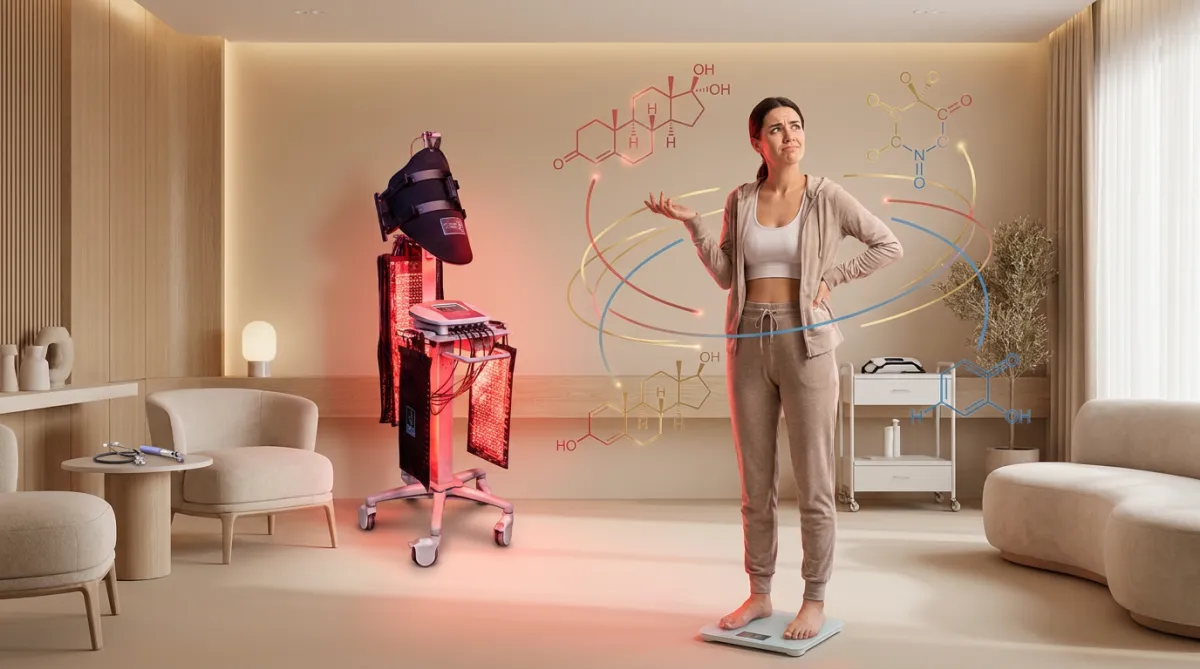
Stuck in a Weight Loss Plateau? Cortisol Could Be the Hidden Reason
If you feel like you are doing “all the right things” but the scale is not moving, you are not alone. A weight-loss plateau can be frustrating, especially when you are eating carefully, staying active, and trying to stay consistent. In some cases,cortisol and weight loss may be more connected than many people realize.
Cortisol is often called the “stress hormone,” and while it plays an important role in the body, chronically elevated cortisol may make it harder to lose weight, especially when stress, sleep problems, cravings, and stubborn belly fat are part of the picture. At Coastal Medical & Wellness Center in Stuart, FL, patients often want to know whether their plateau is just a matter of willpower or whether something deeper may be contributing.
In this article, we will break down how cortisol may affect weight loss, why plateaus happen, and how services like red light therapy and tirzepatide injections may fit into a personalized wellness plan.
What Is Cortisol, and Why Does It Matter for Weight Loss?
Cortisol is a hormone made by the adrenal glands. It helps your body respond to stress, regulate blood sugar, manage inflammation, and maintain energy. In short bursts, cortisol is normal and helpful.
The problem can happen when stress is ongoing. High or prolonged cortisol levels may contribute to:
Increased cravings, especially for sugary or high-calorie foods
More belly fat storage in some people
Trouble sleeping
Higher stress-related eating
Water retention or bloating
Fatigue that makes exercise harder to maintain
Changes in blood sugar regulation
That does not mean cortisol is the only reason someone is stuck. Weight-loss plateaus are usually influenced by multiple factors. But if stress has been high for a long time, cortisol may be one piece of the puzzle.
For a broader look at how stress affects the body, the Cleveland Clinic has a helpful overview of cortisol and its role in the stress response:
Learn more from Cleveland Clinic
Why Can Cortisol Make a Weight-Loss Plateau Feel So Hard?
A plateau often happens when the body adapts to fewer calories, more exercise, or a changing routine. But cortisol may add another layer.
When stress stays high, many people notice:
More frequent snacking
Bigger cravings at night
Poor sleep quality
Lower energy during the day
Less motivation to exercise
A harder time staying consistent
More frustration and emotional eating
In some cases, stress can also affect insulin sensitivity and appetite signals, which may make weight loss feel slower than expected.
This is why two people doing similar things may see very different results. One person may be sleeping well and recovering properly, while another is juggling stress, poor sleep, and irregular eating patterns. The body responds differently depending on the full picture.
Can Cortisol Cause Belly Fat?
Cortisol is often discussed in relation to stubborn abdominal weight. While body fat distribution is influenced by genetics, hormones, age, and lifestyle, chronic stress may contribute to more fat being stored around the midsection in some people.
That is one reason many patients become discouraged: the scale may not change much, but the abdominal area still feels stubborn. This does not automatically mean something is seriously wrong. It may simply mean the body needs a more personalized approach.
A weight-loss plateau is often not about failure. It may be a signal that your plan needs to be adjusted.
How Red Light Therapy May Support a Weight-Loss Journey
If you are looking for non-invasive support,red light therapy may be worth discussing. At Coastal Medical & Wellness Center, red light therapy is offered as part of a wellness-focused approach for patients who want help supporting their body composition goals.
Red light therapy uses specific wavelengths of light that may interact with tissues in the body. Depending on the treatment plan, it may support:
Body contouring goals
The appearance of smoother skin
Cellulite reduction support
Skin tightening support
Circulation and recovery
A wellness routine that complements healthy habits
It is important to be realistic: red light therapy is not a magic fix for weight loss. It may be used as part of a broader plan, especially for patients who want non-invasive support while working toward healthier habits.
If you want to learn more about the service itself, visit the Coastal Medical & Wellness Center red light therapy page here:
Learn more about red light therapy at Coastal Medical & Wellness Center
Where Do Tirzepatide Injections Fit In?
For some patients,tirzepatide injections may be an important part of medical weight-loss support. Tirzepatide is a prescription medication used in appropriate candidates to help support appetite regulation, blood sugar balance, and overall weight-loss efforts.
This may be especially relevant for people who:
Feel constantly hungry
Struggle with portion control
Have a history of repeated weight-loss attempts
Are experiencing a plateau despite consistent effort
Want medical supervision and structured follow-up
Tirzepatide is not right for everyone, and it should only be considered after a proper evaluation with a qualified provider. It may help support progress, but nutrition, movement, sleep, hydration, and stress management still matter.
For more general medical context on prescription weight-loss treatments, MedlinePlus and the NIH are both reliable resources:
MedlinePlus
NIH
What Is the Connection Between Cortisol, Stress, and Weight-Loss Plateaus?
Cortisol may influence weight-loss progress in several ways:
It may increase appetite
High stress can make people feel hungrier or more likely to crave comfort foods.It may disrupt sleep
Poor sleep can affect hunger hormones and make cravings stronger the next day.It may affect energy and motivation
Feeling drained makes it harder to stay active and consistent.It may increase belly fat storage in some people
Especially when stress is persistent rather than short-term.It may make people feel “stuck” even when they are trying hard
That feeling often leads to frustration, which can create even more stress.
That is why a plateau should not always be treated as a discipline problem. Sometimes it is a sign that the body needs more support.
Myth vs. Fact
Myth: If the scale is not moving, nothing is working.
Fact: A plateau may reflect stress, sleep, hormones, inflammation, or changes in metabolism, not just effort.
Myth: Cortisol only matters if you are “too stressed.”
Fact: Even moderate but chronic stress can affect appetite, sleep, and recovery over time.
Myth: Red light therapy will instantly burn fat.
Fact: Red light therapy may support body-contouring goals, but results vary and it is not an instant fat-loss treatment.
Myth: Tirzepatide means you do not need healthy habits anymore.
Fact: Medication may help support weight-loss efforts, but lifestyle habits still matter.
Myth: A plateau means you failed.
Fact: Plateaus are common and often mean the plan needs adjusting.
How Do You Know If Stress May Be Affecting Your Weight?
You may want to explore cortisol, stress, and weight loss if you notice:
You are gaining weight around the middle
You feel more hungry when stressed
Your cravings are stronger at night
You wake up tired even after sleeping
You have trouble staying consistent with exercise
You have hit a plateau despite your best efforts
You feel bloated, puffy, or inflamed
Your weight changes seem tied to stress levels
These symptoms do not prove cortisol is the cause, but they may be worth discussing with a provider.
What May Help Break Through a Plateau?
A plateau often improves when the plan becomes more individualized. Depending on the person, helpful strategies may include:
A medical weight-loss evaluation
Reviewing medications that may affect weight
Better sleep habits
More consistent meals and protein intake
Stress-reduction routines
Regular movement and strength training
Hydration
Tracking progress beyond the scale
Red light therapy as part of a body-contouring plan
Tirzepatide injections for appropriate candidates
Follow-up visits to adjust the plan as needed
A one-size-fits-all solution usually is not enough.
At Coastal Medical & Wellness Center in Stuart, FL, the goal is to help patients understand what may be contributing to their plateau and what options may fit their needs.
What Does a Visit Look Like?
A consultation may include:
A review of your health history
A discussion of weight-loss goals
Questions about stress, sleep, appetite, and lifestyle
A review of current medications and health conditions
Discussion of red light therapy options
Discussion of tirzepatide candidacy if appropriate
A personalized plan based on your goals
This is not about blame. It is about understanding the factors that may be getting in the way so you can move forward with more clarity.
Contact Coastal Medical & Wellness Center to learn more about your options.
When Should You Seek Medical Care?
If you are dealing with sudden, unexplained weight changes or symptoms that feel concerning, you should seek medical evaluation.
Get prompt medical care if you have:
Chest pain
Shortness of breath
Severe abdominal pain
Repeated vomiting
Signs of dehydration
Severe dizziness or fainting
Rapid unexplained weight loss
New or worsening severe fatigue
Symptoms of allergic reaction
Any symptom that feels urgent or unusual
If emergency symptoms are present, call 911 or seek emergency care immediately.
Frequently Asked Questions
What causes a weight-loss plateau?
A plateau can happen for many reasons, including reduced calorie needs, stress, sleep issues, hormonal changes, changes in activity, or inconsistent habits.
Can cortisol really affect weight loss?
Yes, chronic stress and elevated cortisol may contribute to cravings, sleep disruption, belly fat storage, and difficulty losing weight.
Can red light therapy help with weight loss?
Red light therapy may support body contouring and wellness goals, but it is not a replacement for nutrition, exercise, or medical treatment.
Is tirzepatide right for everyone?
No. Tirzepatide is only appropriate for some patients after a medical evaluation.
Can I combine red light therapy with tirzepatide injections?
In some cases, yes. A provider can help determine whether a combined approach makes sense for your goals.
Final Thoughts
If you are stuck in a weight-loss plateau, it may be time to look beyond calories alone. Stress, sleep, hormones, and cortisol may all play a role in how your body responds. The good news is that support is available.
At Coastal Medical & Wellness Center in Stuart, FL, red light therapy and tirzepatide injections may be part of a personalized wellness strategy designed around your needs and goals. If you are feeling frustrated by slow progress or want to explore non-invasive support, an individualized consultation may help you better understand your options.
Contact Coastal Medical & Wellness Center today at (772) 286-5277 to learn more.
Disclaimer: This article is for educational purposes only and is not medical advice. Results vary from person to person. Please consult a qualified healthcare provider for personalized recommendations, especially if you have ongoing symptoms, medical conditions, or concerns about weight-loss medications.
