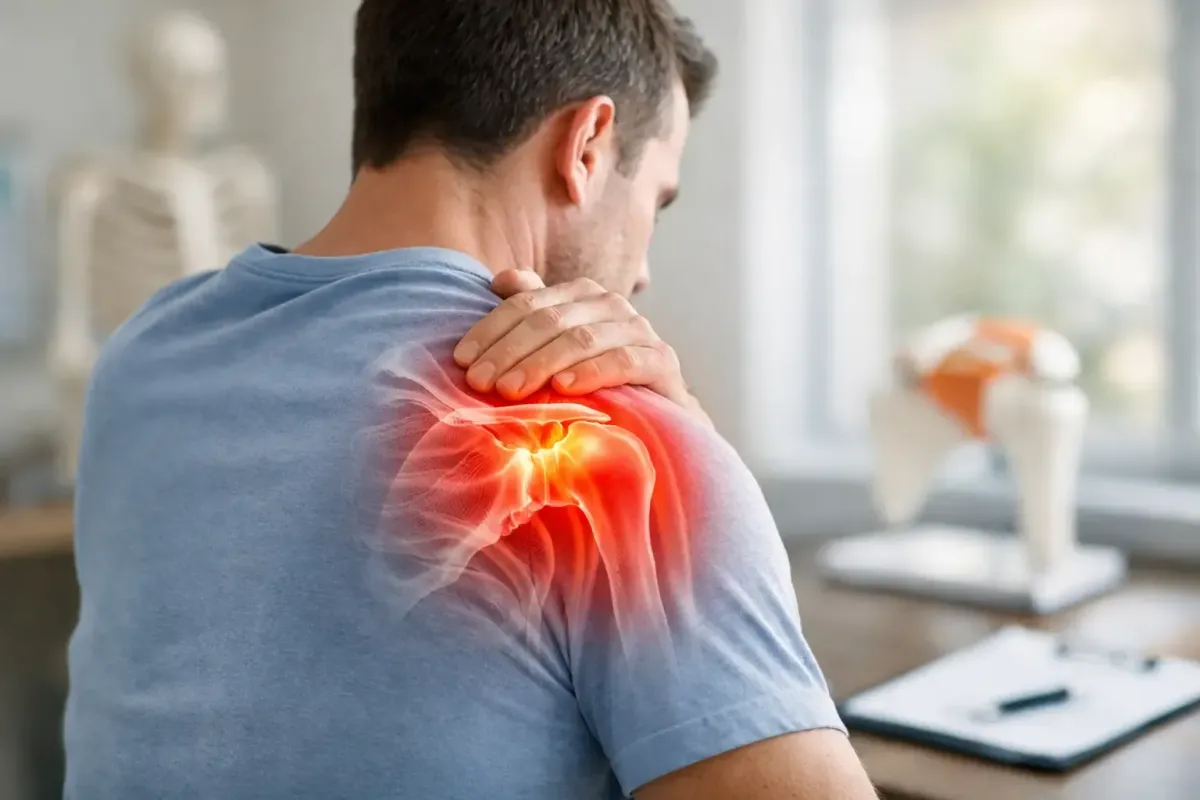
Top Causes of Recurring Shoulder Pain Explained
That familiar shoulder ache that returns when you reach into a cabinet, sleep on one side, or lift a bag is more than an inconvenience. The top causes of recurring shoulder pain often involve a problem that has not fully healed, a movement pattern that keeps irritating the area, or pain referred from somewhere else in the body. Finding the cause matters because repeatedly masking symptoms may allow stiffness, weakness, and limited mobility to build over time.
The shoulder is designed for movement, not stability. It is a complex joint supported by muscles, tendons, ligaments, and the shoulder blade. When one part is not doing its job well, other tissues can become overworked. The good news is that many recurring shoulder conditions respond well to a personalized, conservative approach when they are evaluated early.
Top Causes of Recurring Shoulder Pain
Rotator cuff irritation or tendon injury
The rotator cuff is a group of muscles and tendons that helps lift and rotate your arm while keeping the shoulder joint centered. Repetitive overhead activity, lifting, a sudden pull, poor mechanics, and normal age-related tendon changes can irritate these tissues. Pain may show up along the outside or front of the shoulder, particularly when reaching overhead, putting on a shirt, or lowering your arm from a raised position.
A small tendon injury may calm down with rest, then return as soon as you resume the same activities. This cycle can make people think the problem is gone when the shoulder has not regained enough strength or control. A complete rotator cuff tear is more likely after a significant injury and can cause notable weakness, especially when lifting the arm.
Shoulder impingement and bursitis
Between the upper arm bone and the top of the shoulder is a narrow space where tendons and a fluid-filled sac called the bursa sit. When movement repeatedly compresses or irritates these structures, it can lead to shoulder impingement or bursitis. The pain often feels sharp during certain motions, such as reaching up, across the body, or behind your back.
Impingement is not always caused by one structure being "out of place." It may reflect a combination of tendon irritation, shoulder blade mechanics, posture, muscle weakness, and workload. That is why a treatment plan focused only on the painful spot can provide short-term relief without fully changing the pattern that caused the irritation.
Frozen shoulder
Frozen shoulder, also called adhesive capsulitis, causes increasing pain and a pronounced loss of motion. At first, it may be painful to reach for a seat belt or roll over in bed. Over time, the shoulder may become difficult to move in almost every direction, even with assistance from the other arm.
This condition is more common in adults between 40 and 60, in people with diabetes or thyroid conditions, and after a period of shoulder immobilization. It tends to progress gradually, and recovery can take time. Gentle, guided mobility work is often more appropriate than forcing painful stretches, which can further aggravate an already sensitive shoulder.
Arthritis and joint wear
Shoulder arthritis can develop after years of joint wear, a past fracture or dislocation, or inflammatory conditions. Symptoms commonly include deep aching, stiffness, grinding or clicking, and discomfort that worsens after activity. Some people notice their shoulder pain more at night or in cooler weather.
Not every click means arthritis, and an X-ray finding does not always explain the severity of a person's pain. Still, when joint changes are contributing to recurring symptoms, care may need to focus on preserving motion, improving surrounding muscle support, and helping you stay active without constantly flaring the joint.
Instability, labral injuries, and past dislocations
If your shoulder feels loose, slips, catches, or seems like it could pop out, instability may be involved. This is common after a dislocation, but it can also occur in people with naturally flexible joints or those who perform repetitive overhead sports and work. The labrum, a rim of cartilage that helps deepen the shoulder socket, can also be injured during a fall, collision, or sudden forceful motion.
Instability can create a frustrating cycle: the shoulder hurts, muscles tighten to protect it, movement changes, and the joint becomes less controlled. Rebuilding stability usually requires more than avoiding activity. The goal is to restore strength and coordination in the rotator cuff, shoulder blade, and upper back while respecting the limits of the injured tissue.
Neck and upper-back problems that refer pain to the shoulder
Sometimes the shoulder is not the true source of the pain. Irritation of nerves in the neck can cause pain around the shoulder blade, shoulder, or arm. Tingling, numbness, burning, pain traveling below the elbow, headaches, or symptoms that change when you turn your neck can point toward a cervical spine component.
Poor posture alone is rarely the whole answer, but hours spent looking down at a phone, working at a laptop, or driving can place the neck and upper back in positions that contribute to muscle tension and nerve irritation. A thorough evaluation should look at the neck, shoulder blade, and shoulder together rather than assuming every shoulder symptom is a shoulder joint problem.
Repetitive strain and everyday movement habits
Recurring pain does not require a dramatic injury. Gardening, painting, swimming, golf, warehouse work, caregiving, home projects, and even repeatedly sleeping with an arm overhead can overload a shoulder that is not recovering well. The issue is often the total amount of stress compared with the tissue's current capacity.
That does not mean you must stop doing what you enjoy. It means activity may need to be adjusted temporarily while strength, mobility, and movement control improve. Small changes in lifting technique, workstation setup, recovery time, and exercise progression can make a meaningful difference.
When Shoulder Pain Needs Prompt Medical Attention
Most shoulder pain is musculoskeletal, but certain symptoms should not be ignored. Seek urgent medical care for shoulder pain with chest pressure, shortness of breath, sweating, nausea, or pain spreading to the jaw or left arm. These can be signs of a heart-related emergency.
You should also be assessed promptly after a major fall or accident, if the shoulder looks deformed, if you cannot move the arm, or if you have severe swelling, fever, redness, unexplained weight loss, or progressive numbness and weakness. These signs may indicate a fracture, dislocation, infection, nerve injury, or another condition requiring medical attention.
Why Recurring Pain Deserves a Full Evaluation
An accurate evaluation considers how the pain began, what movements provoke it, where it travels, how it affects sleep, and whether the neck or upper back is involved. It should also assess range of motion, strength, joint stability, posture, and daily demands. Imaging can be useful when a fracture, significant tear, arthritis, or other structural concern is suspected, but it is only one part of the clinical picture.
For many patients, conservative care may include targeted chiropractic care, soft-tissue support, guided mobility and strengthening, activity modification, and therapies chosen for the specific condition. The right plan depends on the diagnosis. A shoulder that is stiff needs a different approach than one that is unstable, and nerve-related pain should not be treated exactly like a tendon problem.
At Coastal Medical & Wellness, care is built around identifying the source of the problem and creating an individualized path toward better movement. Natural treatment options can be valuable, but they should never delay a referral for imaging, orthopedic evaluation, or other medical care when the findings call for it.
Recurring shoulder pain is your body's signal that something needs more attention than a few days of rest. With the right assessment and a plan that addresses both the painful tissue and the movement patterns behind it, you can work toward using your arm with greater comfort, confidence, and control.
