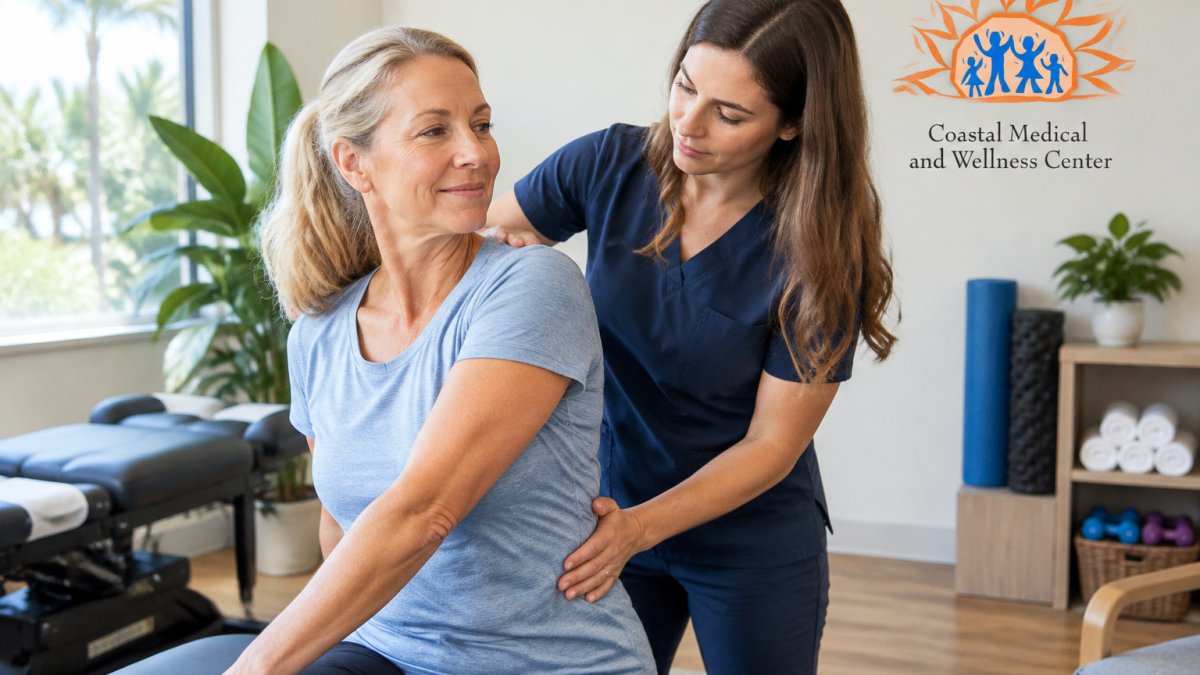
9 Ways to Boost Health and Vitality With Pain Management
Last Updated: November 4, 2026
Quick Summary
Pain management means reducing pain while also improving sleep, movement, mood and daily function, since these affect each other. A sustainable plan usually combines treatments such as physical therapy, lifestyle changes and mind-body techniques, rather than relying on pain relief alone.
- Chronic pain is generally defined as pain that persists for three months or longer.
- Most people benefit from combining several approaches, chosen based on the cause of their pain.
- Keep sleep consistent and limit screens before bed, since poor sleep amplifies pain sensitivity.
- Start gentle movement small and let a qualified therapist adjust intensity as you progress.
- Do not stop your maintenance routine as soon as you feel better, as this often leads to relapse.
Table of Contents
- Why Pain Management Is About More Than Pain Relief
- Chronic Pain Treatment Options and How They Fit Together
- Physical Therapy, Movement and Gentle Exercise
- Lifestyle Changes for Chronic Pain: Sleep, Stress and Nutrition
- Mind-Body Techniques and Cognitive Behavioral Therapy for Pain
- Building Chronic Pain Management Strategies Around Your Daily Life
- Scheduling Your Pain Management Consultation
- Frequently Asked Questions
Why Pain Management Is About More Than Pain Relief
Pain management is not only about reducing the pain you feel today. Many people with chronic pain find that the condition also affects how they sleep, move, work and connect with the people around them. Many clinicians take that broader view, which is why pain management can be thought of as a route to better health, not simply the absence of discomfort.
Chronic pain is generally defined as pain that persists for three months or longer, according to the National Institutes of Health pain research resources. Over time, ongoing pain can wear down energy levels, mood and daily function. A common mistake is to treat the pain in isolation while ignoring sleep, activity levels and stress, which often keep the pain cycle going.
A useful goal is to aim for functional improvement: moving more comfortably, sleeping more soundly and taking part in the activities you care about. Relief and quality of life tend to move together, so a plan that addresses both is usually more sustainable than one that targets pain alone.
Chronic Pain Treatment Options and How They Fit Together
Chronic pain treatment is rarely a single intervention. Most people benefit from a combination of approaches, and the right mix depends on the cause of the pain, your health history and your goals. Options commonly include medication, physical therapy, injections, spinal care and self-management strategies, and a qualified clinician can help you decide which of these fit your situation.
For people with sciatica, a non-invasive option is available through sciatica relief treatment, which is designed to address nerve-related leg and lower back pain without surgery. Back pain linked to bulging or herniated discs may be discussed in the context of non-surgical spinal decompression therapy, which uses controlled traction to reduce pressure on the affected disc.
Treatment works best when the options are sequenced thoughtfully. Start with a clear diagnosis, set realistic milestones and review progress regularly. Watch out: stopping a treatment plan the moment pain eases can lead to a return of symptoms, so ask your provider how long to continue.
Physical Therapy, Movement and Gentle Exercise
Movement is one of the most consistently recommended parts of chronic pain care. Gentle, regular activity can help maintain joint mobility, build strength and reduce the stiffness that often follows periods of rest. Physical therapists typically design programs that start small and progress gradually.

Some people find that shockwave therapy complements movement-based care for joint, tendon and soft tissue pain. It is a non-surgical option that uses acoustic waves to stimulate tissue healing, and it is often considered alongside exercise rather than as a replacement for it.
Most gentle exercise programs include a mix of stretching, low-impact cardiovascular work and light strengthening. Begin with what feels manageable, and let a qualified therapist adjust the intensity. Pain that is sharp, worsening or accompanied by numbness, weakness or loss of bladder or bowel control needs prompt medical attention.
Lifestyle Changes for Chronic Pain: Sleep, Stress and Nutrition
Daily habits can influence how pain feels. Sleep, stress levels and nutrition all interact with the body's pain signaling and inflammation, which means small, consistent changes can make the day-to-day experience of pain more manageable.
Sleep deserves particular attention. Poor sleep often amplifies pain sensitivity, and pain often disrupts sleep, creating a loop. Keeping a consistent bedtime, limiting screens before bed and creating a cool, dark sleeping environment are practical starting points.
Stress and nutrition matter too. Relaxation practices, regular meals and adequate hydration support the body's overall resilience, and they help people cope with pain more calmly.
How Anti-Inflammatory Eating Affects Pain
An anti-inflammatory eating pattern emphasizes whole foods such as vegetables, fruit, legumes, nuts, oily fish and whole grains, while reducing highly processed foods and excess added sugar. Some research on dietary patterns and inflammation suggests that these eating patterns may be associated with lower levels of inflammatory markers, although individual responses vary (Effects of Dietary Patterns on Biomarkers of Inflammation and Immune Responses).
A common mistake is expecting diet alone to resolve chronic pain. Nutrition works best as one part of a broader plan. If you have a medical condition or take medication, speak with your clinician before making significant dietary changes.
The article points to a few daily habits that can influence how pain feels, summarised below.
| Habit | Why it matters | Practical starting point |
|---|---|---|
| Sleep | Poor sleep amplifies pain; pain disrupts sleep | Consistent bedtime, limit screens, cool dark room |
| Stress | Affects pain signalling and coping | Relaxation practices |
| Nutrition | Interacts with inflammation | Whole foods, fewer processed foods and added sugars |
| Hydration | Supports overall resilience | Adequate daily fluids |
Mind-Body Techniques and Cognitive Behavioral Therapy for Pain
Mind-body approaches recognize that thoughts, emotions and attention can shape how pain is experienced. For a broader overview of natural, non-drug pain approaches, the complete guide covers the main options in one place. Techniques such as mindfulness, guided breathing and relaxation training are widely used in chronic pain care, and they can help people reduce muscle tension and manage the stress that often accompanies ongoing pain.
Cognitive behavioral therapy for pain, often called CBT, is a structured approach that helps people identify unhelpful thought patterns and build practical coping skills. Course length and structure vary by provider and by your goals.
A common CBT skill is the "thought record," in which you note a painful situation, the automatic thought that follows, and a more balanced alternative. Activity pacing, which breaks tasks into short blocks with planned rest, is another commonly used skill.
Mindfulness-based stress reduction (MBSR) is a structured program that combines meditation, body awareness and gentle movement. Some people find that short daily practice of guided breathing can help with muscle tension and discomfort. Relaxation techniques such as progressive muscle relaxation and guided imagery are often taught alongside CBT and can be used during flare-ups.
The aim is not to deny that pain is real. It is to build a set of tools that help you live with it more effectively. Because pain often isolates people, combining these techniques with social and emotional support, such as a CBT group, a trusted friend who understands pacing, or a counselor, tends to produce better results than practicing alone. If you feel persistently low or anxious, tell your clinician; mood and pain are closely linked, and treating both together is more effective than treating either in isolation.
Building Chronic Pain Management Strategies Around Your Daily Life
An effective pain plan has to fit into your real routine. A treatment schedule that requires long trips, rigid timing or hours of exercise every day is hard to maintain, so the best plans are built around work, family and the activities you enjoy. The gap most pain content leaves open is what happens after relief arrives: maintaining a high state of health and vitality long-term, and preventing relapse.
Start by tracking your pain, sleep and activity for a couple of weeks. Paper logs work, but digital tools make patterns easier to see. Simple tools such as paper logs, spreadsheet templates or a symptom-tracking app can help you rate pain, note sleep and tag possible triggers. Some wearable devices can also track sleep and step counts for discussion with your clinician. The goal is not perfect data; it is spotting two or three repeatable patterns you can act on.
Once you have patterns, build a maintenance plan with three layers. First, a daily baseline: a short walk, a stretching routine, consistent sleep and wake times, and a brief relaxation practice. Second, a weekly review: 10 minutes to check whether pain, sleep and activity are trending in the right direction, and to adjust one variable at a time. Third, a flare-up protocol: a pre-agreed plan that reduces activity for a day or two, then gradually resumes the baseline. Write the protocol down and share it with someone who can help you follow it.
Social and emotional support is an important part of living well with chronic pain. Isolation worsens pain perception, while regular contact with supportive people, a spouse, a friend, a faith group, a condition-specific support group, helps people stay active and optimistic. Many communities offer free or low-cost peer support groups for chronic pain; ask your clinician or local hospital for referrals. If you prefer digital connection, moderated online communities can reduce isolation, though it is worth choosing groups that emphasize practical coping rather than only venting.
Watch out: stopping your maintenance routine the moment you feel better is the most common path to relapse. Treat the baseline habits as ongoing care, not a temporary fix, and schedule a check-in with your provider every few months to review progress and adjust the plan.
Scheduling Your Pain Management Consultation
If you are living with chronic pain, a consultation is the most practical first step. You can find a pain management provider accepting new patients near you and check availability for an initial visit. During an initial visit, a practitioner can review your symptoms, discuss your goals and explain which options may suit your situation. Bring a list of your current treatments, medications and any imaging or records you already have.
At Coastal Medical and Wellness Center, we are happy to talk through your options and help you decide on next steps. You can call 772-286-5277 or visit us at 3257 SE Salerno Rd #3, Stuart, FL 34997 to schedule a consultation. For current pricing, please contact us directly.
Frequently Asked Questions
What is the secret to managing chronic pain?
There is no single secret, but the approaches with the strongest support combine several elements: a personalized treatment plan, regular gentle movement, good sleep, stress management and steady follow-up with a qualified provider. Pain is rarely fixed by one intervention alone. Tracking your pain triggers, activity levels and sleep in a simple journal or app can show which habits help most, and that information makes your care more targeted. Expect progress to be gradual, and review your plan with your provider as your needs change.
How can pain management improve quality of life?
Reducing pain can make it easier to sleep, move, work and spend time with people you care about. When pain is controlled, many patients find they can return to activities they had given up. Quality of life also improves when treatment addresses mood, sleep and daily function, not only the painful area. Setting specific goals with your care team, such as walking further or sleeping through the night, gives you measurable markers of progress that matter in everyday life.
What lifestyle changes may help ease chronic pain?
Common changes include a regular sleep schedule, low-impact exercise such as walking, swimming or stretching, stress reduction through breathing or mindfulness, and eating patterns rich in vegetables, fruit, whole grains and healthy fats. Many people also find that limiting alcohol and quitting smoking support recovery. Start with one or two changes you can keep up, rather than overhauling everything at once. A provider can help you decide which changes fit your situation.
When should someone seek professional help for persistent pain?
Consider scheduling an evaluation if pain lasts more than a few weeks, keeps returning, interferes with sleep or work, or comes with numbness, weakness, burning sensations, fever or unexplained weight loss. Pain that worsens despite home care also warrants a professional review. A consultation can identify contributing factors and outline options, but the right next step depends on your individual history, so contact a qualified provider for personal guidance.

