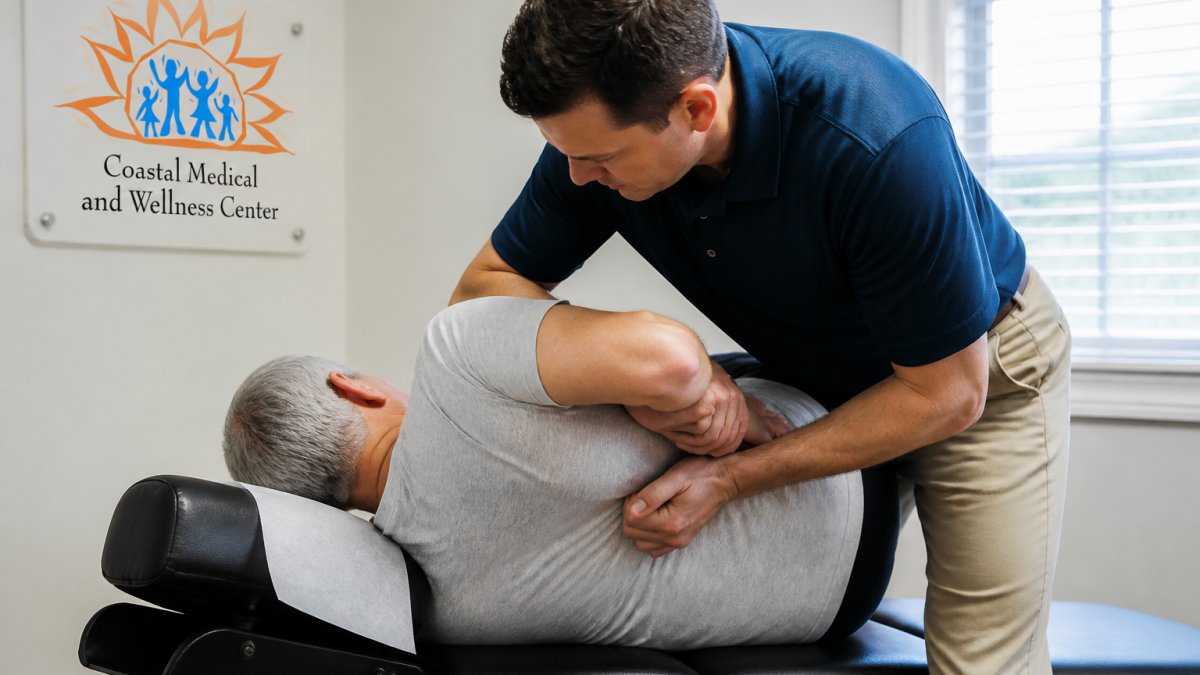
Herniated Disc Treatment: A How-To Guide
Last Updated: October 23, 2026
Quick Summary
Herniated disc treatment starts with activity modification, over-the-counter pain management, and physical therapy, with most people improving within 4-12 weeks without surgery. If conservative care doesn't work after 4-6 weeks, epidural steroid injections may help reduce inflammation and allow rehabilitation to proceed.
- Most herniated discs improve within 4-12 weeks using conservative treatment without surgery.
- Avoid heavy lifting, twisting, and prolonged sitting in the first 2-4 weeks while staying gently active.
- Physical therapy is the cornerstone of recovery, starting with gentle movements and progressing to strengthening exercises.
- Epidural steroid injections are considered after 4-6 weeks of unsuccessful conservative care.
- Surgery is rarely needed and is reserved for cases with severe nerve compression, progressive weakness, or failed conservative treatment after 8-12 weeks.
Table of Contents
- Understanding Your Herniated Disc
- Step 1: Get an Accurate Diagnosis
- Step 2: Start Non-Surgical Herniated Disc Treatment
- Step 3: Herniated Disc Exercises and Physical Therapy
- Herniated Disc Recovery Time and Return to Activity
- When to Consider Herniated Disc Surgery
- Common Mistakes to Avoid During Recovery
- Frequently Asked Questions
Understanding Your Herniated Disc
A herniated disc happens when the soft center of a spinal disc pushes through a crack in the tougher outer layer, pressing on nearby nerves and causing pain, numbness, or weakness. At Coastal Medical and Wellness Center, we offer integrated approaches to health, combining chiropractic care with functional medicine to address the root causes of discomfort for those suffering from chronic pain, disc issues, neuropathy, and joint pain.
What happens when a disc herniates
Your spine is stacked vertebrae with a shock-absorbing disc between each one. Each disc has a tough outer ring and a soft, gel-like center.
The herniated material can irritate or compress a nerve root, causing pain, tingling, numbness, or weakness. Symptoms depend on where the herniation is and how much pressure it puts on the nerve.
Common symptoms and pain patterns
A herniated disc in the lower back often causes pain radiating down one leg, sciatica, with burning, tingling, or numbness in the foot or calf.
A herniated disc in the neck can cause arm, shoulder, or hand pain, grip weakness, or sharp pain that worsens with certain neck movements.
Common symptoms include:
- Sharp or burning pain in the back, neck, leg, or arm
- Numbness or tingling in the legs or feet
- Muscle weakness affecting balance or grip strength
Not everyone with a herniated disc has symptoms. Some people discover they have one during imaging for an unrelated reason.
Step 1: Get an Accurate Diagnosis
You can't treat a herniated disc effectively without knowing your disc location, the severity of the herniation, and whether nerves are actually compressed. Start with the new patient offer to get your accurate diagnosis and personalized treatment plan. This shapes your entire treatment plan.
When imaging is necessary
Your doctor starts with a physical exam, symptom history, and tests of strength, reflexes, and range of motion, often enough to suspect a herniated disc.
Imaging becomes necessary when:
- Your symptoms don't improve after 4-6 weeks of conservative care
- You have severe pain or progressive nerve damage
- You need to rule out other conditions
An MRI is the best tool for herniated discs, showing soft tissue clearly and revealing exactly where the herniation is and how much nerve compression exists.
The American Academy of Orthopaedic Surgeons guidelines on imaging recommend starting with conservative treatment before imaging in most cases.
Understanding your disc location and severity
Lumbar (lower back) herniation is most common, followed by cervical (neck); thoracic (mid-back) herniation is rare.
Severity ranges from mild to severe:
- Mild: The disc material bulges but doesn't press on nerves. You may have no symptoms.
- Moderate: The disc material presses on a nerve root. You feel pain, numbness, or tingling.
- Severe: The disc material compresses the nerve significantly. You have weakness or loss of function.
Your imaging report describes the size and location of the herniation. Bring it to your provider so they can match a plan to your situation. At Coastal Medical and Wellness Center, we use imaging reports to help determine appropriate non-surgical approaches.
Step 2: Start Non-Surgical Herniated Disc Treatment
Most people with herniated discs get better without surgery. Learn the best ways to support disc healing with guided movement, decompression, sleep habits, nutrition, and personalized conservative care. Non-surgical herniated disc treatment starts immediately, aiming to reduce inflammation, relieve nerve pressure, and restore function.
Activity modification in the first 2-4 weeks
The first few weeks are critical: avoid movements that worsen pain while staying as active as possible. Complete bed rest slows recovery, so gentle movement matters.
Movements to avoid:
- Heavy lifting or bending forward
- Twisting at the waist
- Sitting for long periods
Movements that usually feel better:
- Walking at a comfortable pace
- Gentle stretching
- Lying down with support under your knees
Stop anything that causes sharp pain, but mild discomfort that fades after activity is usually fine. This period typically lasts 2-4 weeks.
Pain management without surgery
Over-the-counter anti-inflammatories like ibuprofen and naproxen reduce pain and swelling for many people. Take them with food and follow the label directions.
Other pain management strategies include:
- Ice packs for the first 48 hours, then heat after that
- Supportive pillows to maintain proper spine alignment while sleeping
- Over-the-counter pain creams applied to the affected area
Combining these approaches works better than any single method, a heating pad eases muscle tension, and proper pillow support prevents overnight strain.
When to consider injections
If conservative treatment isn't working after 4-6 weeks, an epidural steroid injection may help. It delivers anti-inflammatory medication directly around the affected nerve, reducing swelling and providing relief for weeks or months.
Injections aren't a cure, they reduce pain enough to do physical therapy and other treatments.
The American Society of Interventional Pain Physicians position statement on epidural injections notes that injections work best when combined with rehabilitation.
Conservative treatment approaches work for most herniated disc cases and can be started immediately. See a step-by-step guide for similar spinal injuries using the same treatment approach.
| Treatment Approach | When to Use | Duration or Frequency |
|---|---|---|
| Activity modification | First 2-4 weeks | 2-4 weeks |
| Over-the-counter anti-inflammatories | Pain and swelling management | As directed on label |
| Ice then heat | Pain relief | Ice first 48 hours, then heat |
| Epidural steroid injection | After 4-6 weeks of conservative care | One to three injections spaced weeks apart |
| Physical therapy | Throughout recovery | 6-12 weeks typically |
Step 3: Herniated Disc Exercises and Physical Therapy
Physical therapy is the cornerstone of herniated disc recovery. Find the best stretches for lower back pain relief as part of your exercise routine.
Early-phase gentle movements
In the first 1-2 weeks of physical therapy, focus on gentle movements that restore mobility without stressing the disc or triggering pain.
Early-phase exercises include:
- Pelvic tilts: Lie on your back with knees bent. Gently tilt your pelvis to flatten your lower back against the floor. Hold 5 seconds, release. Do 10 reps.
- Knee to chest stretch: Lie on your back. Gently pull one knee toward your chest. Hold 20-30 seconds. Do 2-3 reps per side.
- Cat-camel stretch: On hands and knees, alternate between arching and rounding your spine. Move slowly and smoothly. Do 10 reps.
These exercises should feel gentle. Stop if you feel sharp pain. Mild discomfort that goes away quickly is usually fine.
Progressive strengthening and flexibility
After 2-3 weeks, add more challenging exercises that build the muscles supporting your spine and improve flexibility.
Progressive exercises include:
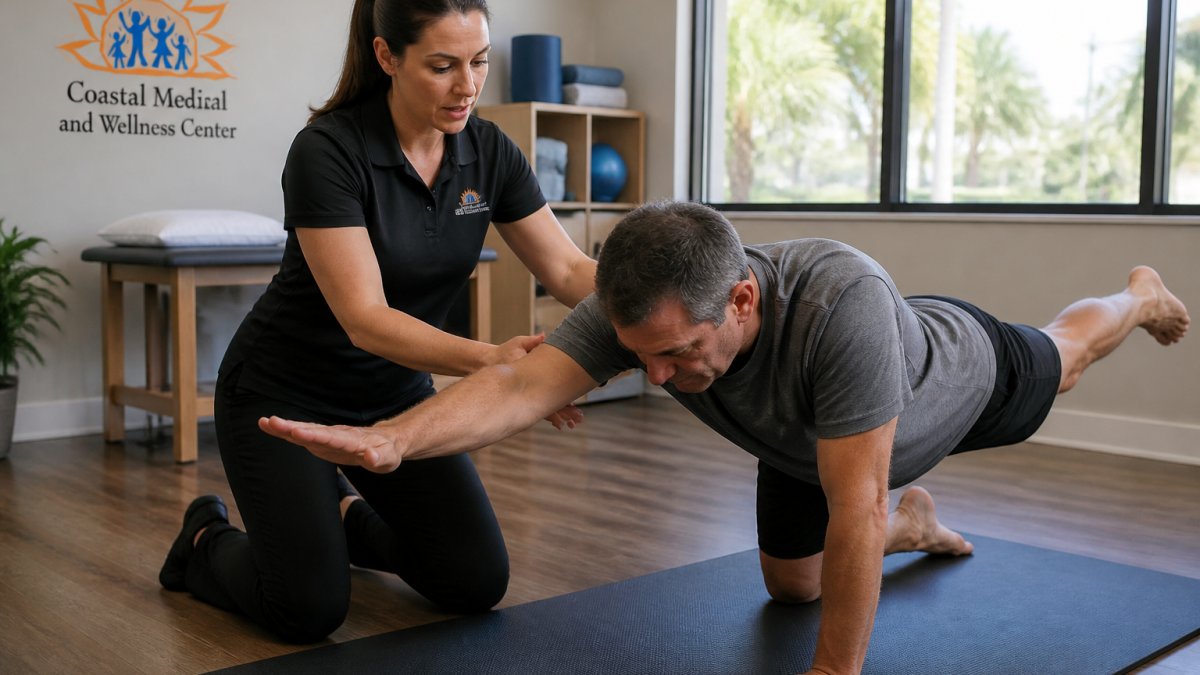
- Bird dog: On hands and knees, extend one arm and opposite leg. Hold 5 seconds. Do 10 reps per side.
- Dead bug: Lie on your back with arms extended toward ceiling and knees bent at 90 degrees. Lower one arm and opposite leg. Return to start. Do 10 reps per side.
- Plank: Hold a push-up position on your forearms. Start with 15-30 seconds. Build up gradually.
Work with a physical therapist to ensure proper form, bad form can delay recovery or cause re-injury. Progress slowly, adding reps or hold times before harder exercises.
Exercises to avoid
Some movements put extra stress on a herniated disc. Avoid these until your therapist clears you:
- Sit-ups or crunches
- Heavy deadlifts or squats
- Toe touches with straight legs
These compress the disc or put shearing forces on it. Once fully recovered and cleared by your therapist, you can gradually return to them.
Herniated Disc Recovery Time and Return to Activity
How long does herniated disc recovery take? Most people improve within 4-12 weeks with consistent conservative treatment. Recovery depends on the severity of your herniation, how well you follow your treatment plan, and your overall health.
Typical healing timelines by severity
Mild herniation without nerve compression often improves within 2-4 weeks. You might not even need imaging. Rest, activity modification, and gentle exercise are usually enough.
Moderate herniation with some nerve compression typically takes 6-12 weeks. You'll need physical therapy and possibly injections.
Severe herniation with significant nerve compression may take 12-16 weeks or longer. You might need multiple injections or other interventions.
These timelines are estimates.
Return to work depends on your job. Desk work can often resume within 2-4 weeks.
Preventing recurrence
Once you've recovered, preventing another herniation is critical. Many people re-injure the same disc or herniate a different one if they return to old habits.
Prevention strategies include:
- Maintain core strength with regular exercise
- Use proper lifting technique: bend at your knees, keep the load close to your body
- Take frequent breaks if your job involves sitting
These habits protect your spine for life. They're not just about preventing another herniation. They support overall spinal health and reduce the risk of other back problems.
When to Consider Herniated Disc Surgery
Surgery is rarely the first choice for herniated disc treatment. Get safe, non-surgical pain relief options available at our clinic in Stuart, FL. Most people improve with conservative care. But surgery is appropriate when conservative treatment fails or when certain red flags appear.
Red flags that require urgent evaluation
Seek immediate care if you experience:
- Sudden loss of bladder or bowel control
- Severe weakness in both legs
- Numbness in the groin or inner thighs
These symptoms suggest cauda equina syndrome or another serious condition. This requires emergency evaluation. Don't wait for an appointment.
Also consider surgery consultation if:
- Conservative treatment hasn't worked after 8-12 weeks
- You have severe, disabling pain that limits daily function
- You have progressive nerve damage or muscle weakness
Surgery isn't an emergency in these cases, but it's worth discussing with a specialist. At Coastal Medical and Wellness Center, we provide information to help patients understand their options, including when surgery might be considered and when conservative approaches are appropriate.
Surgical options and what to expect
The most common surgery for herniated disc is a discectomy or microdiscectomy.
A laminectomy removes part of the vertebra to create more space for the nerve.
Surgery typically provides faster pain relief than conservative treatment. Most people feel better within days to weeks.
Surgery also carries risks: infection, bleeding, nerve damage, or failure to relieve pain.
The North American Spine Society evidence-based guidelines on surgical treatment recommend trying conservative care for at least 6-8 weeks before considering surgery in most cases.
Common Mistakes to Avoid During Recovery
Avoiding all movement. Complete bed rest actually slows healing. Your muscles weaken.
Poor posture. Slouching compresses the disc.
Ignoring physical therapy. Exercises are boring and take time.
Sleeping poorly. A bad mattress or pillow stresses your spine all night.
Smoking. Smoking reduces blood flow to discs. It slows healing and increases pain.
Frequently Asked Questions
Can a herniated disc heal without surgery?
Yes. Most herniated discs respond to non-surgical herniated disc treatment, including activity modification, physical therapy, and pain management. Studies show 80-90% of people with disc herniation improve without surgery within 6-12 weeks. Surgery is typically reserved for cases with severe nerve compression, progressive neurological symptoms, or failure to improve after 6-8 weeks of conservative care. Recovery depends on disc location, symptom severity, and your commitment to exercise and activity modification.
How long does herniated disc recovery time typically take?
Herniated disc recovery time varies widely. Mild cases may improve in 4-6 weeks with rest and physical therapy. Moderate cases typically require 8-12 weeks of consistent treatment. Severe cases can take 3-6 months or longer. Most people see significant improvement in 6-8 weeks of nonsurgical treatment. Full recovery and return to heavy activity may take several months. The key is gradual progression, pushing too hard too quickly can delay healing and increase recurrence risk.
What activities should I avoid with a herniated disc?
Avoid heavy lifting, bending forward at the waist, twisting motions, high-impact activities like running, and prolonged sitting in the acute phase. Limit activities that increase disc pressure or cause radiating pain. Avoid sleeping on your stomach and sitting in soft couches. During recovery, modify these activities gradually as pain decreases. Your physical therapist or doctor can guide you on when it's safe to return to specific activities. Returning too quickly to heavy work or exercise is a common cause of re-herniation.
What are the best herniated disc exercises?
Early exercises focus on gentle movement and core stability: pelvic tilts, knee-to-chest stretches, and dead bugs. As pain improves, progress to quadruped exercises, bird dogs, and planks. Later stages include bridges, squats, and rowing movements. The goal is to strengthen your core, improve stability, and reduce pressure on the disc. Never push into pain, work within your pain-free range. Physical therapy is essential to ensure proper form and progression. Your therapist will customize exercises based on your disc location and symptoms.

